Family Martial Arts White Rock: A Proven 4-Week Plan for Parents
November 20, 2026•22 min read•Boxing & Martial Arts, Youth Sports
If you have ever sat in a parked car on Johnston Road scrolling your phone while your child trains, this guide is for you. Family martial arts White Rock parents talk about is not a special class with a special name. It is something simpler and more useful: parents and kids training at the same school, on the same evenings, under the same roof, each in a class built for their own age and level.
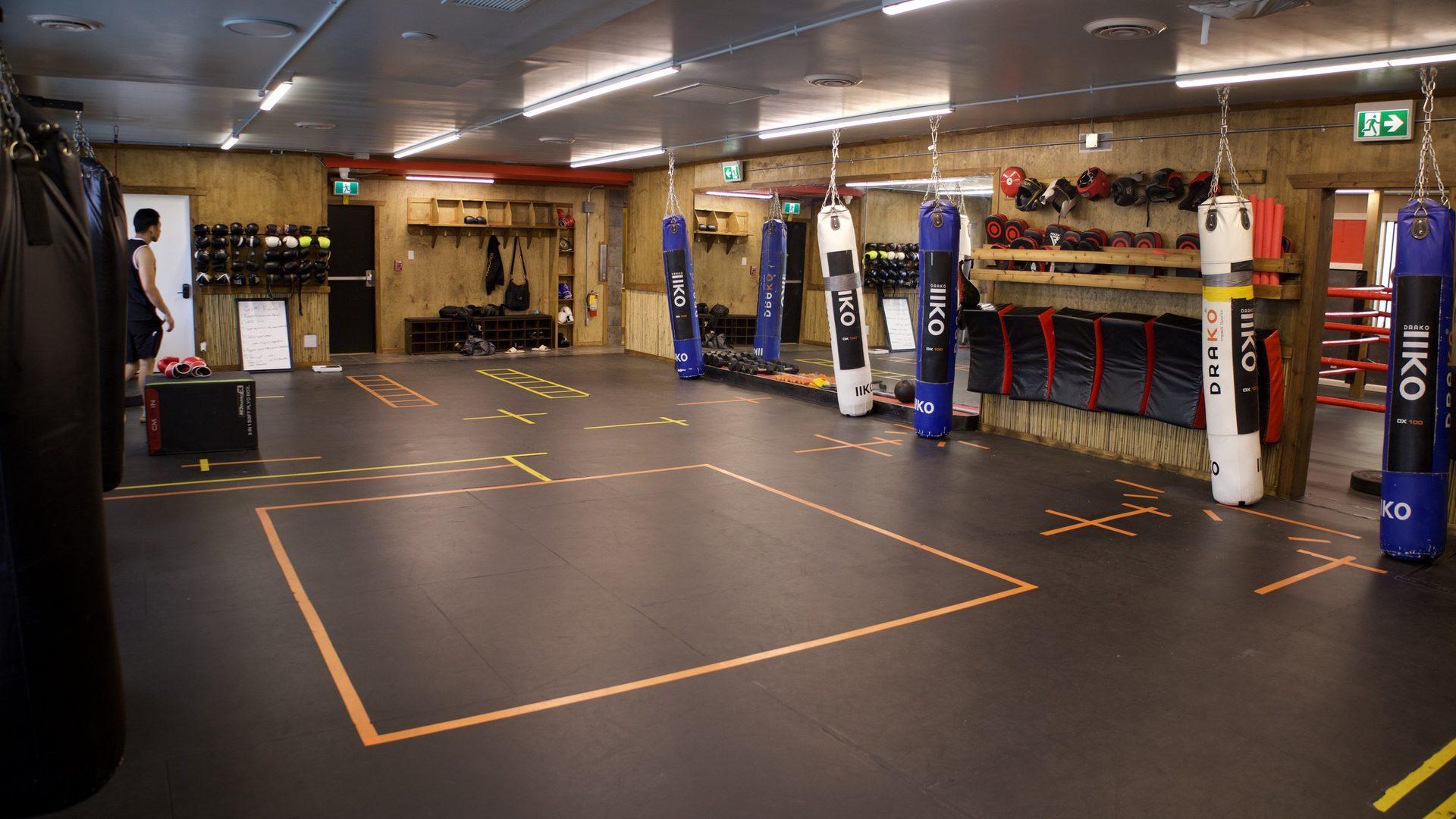
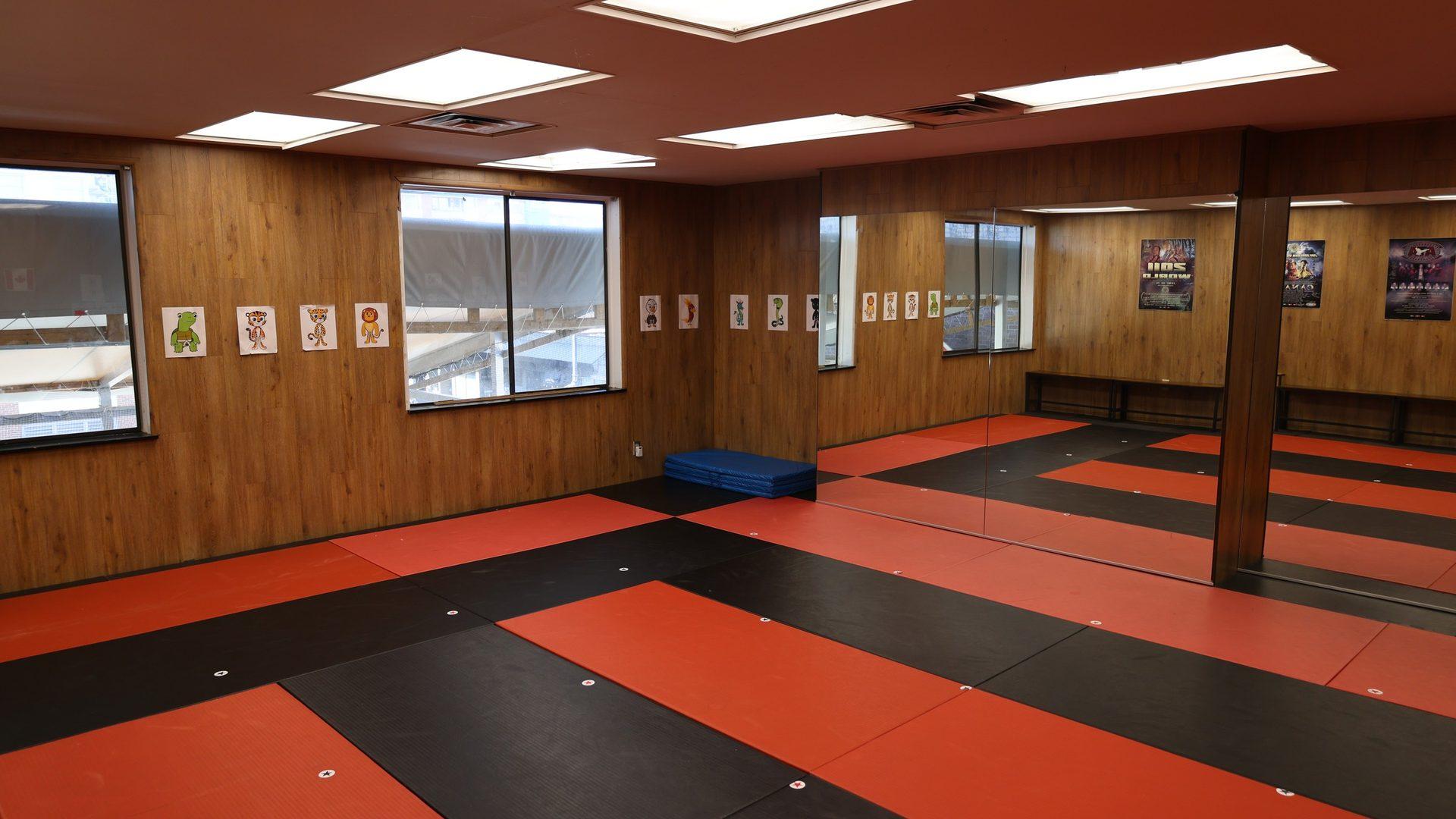
At Kingdom Athletics, taekwondo runs with Seung-ri Academy at 1493 Johnston Rd, and our boxing and kickboxing classes run at the same address. We do not advertise a “family class”, and we will not pretend to. What we do have is a timetable where a parent’s class and a child’s class can sit side by side, which is often better than a single mixed class anyway.
This guide to family martial arts White Rock households can actually sustain covers why shared training works, what the research on parents and children’s activity actually says, how to make the logistics work on a school night, how to handle siblings of very different ages, and how to keep the whole thing fun past the first month. It finishes with a sample weekly plan you can adapt and a set of honest answers to the questions parents ask us most.
What Family Martial Arts White Rock Parents Really Mean
When parents ask us about family martial arts White Rock options, they usually mean one of three things. Some want to train in literally the same room as their child. Some want to train at the same time in a different class, so the drive and the evening are shared. Others simply want the whole household under one membership and one timetable, even if they train on different nights.
All three are possible here, with one important detail. The only class where a parent and a child can genuinely line up together is our Adult/Teen martial arts class at 18:30 on weekday evenings, which is open to ages 13 and up. If your child is 13 or older, you and your teenager can learn the same patterns, the same kicks and the same belt requirements in the same session.
For younger children, family training means parallel training. Your seven-year-old takes their belt-level class, and you take a boxing or conditioning class in the same building, before, during or after. The weekly class timetable shows exactly which slots line up, and it is worth opening now so the rest of this guide makes sense against real times.
How this differs from our other guides for parents
If you want to know how martial arts builds confidence in a child, our piece on how martial arts builds confidence in kids covers that ground. If you are choosing between soccer, swimming, music and martial arts for weekday afternoons, our seven-step parent guide to after school programs in South Surrey is the better read. This post is about the whole family, including you.
Why Shared Training Beats the Parking Lot
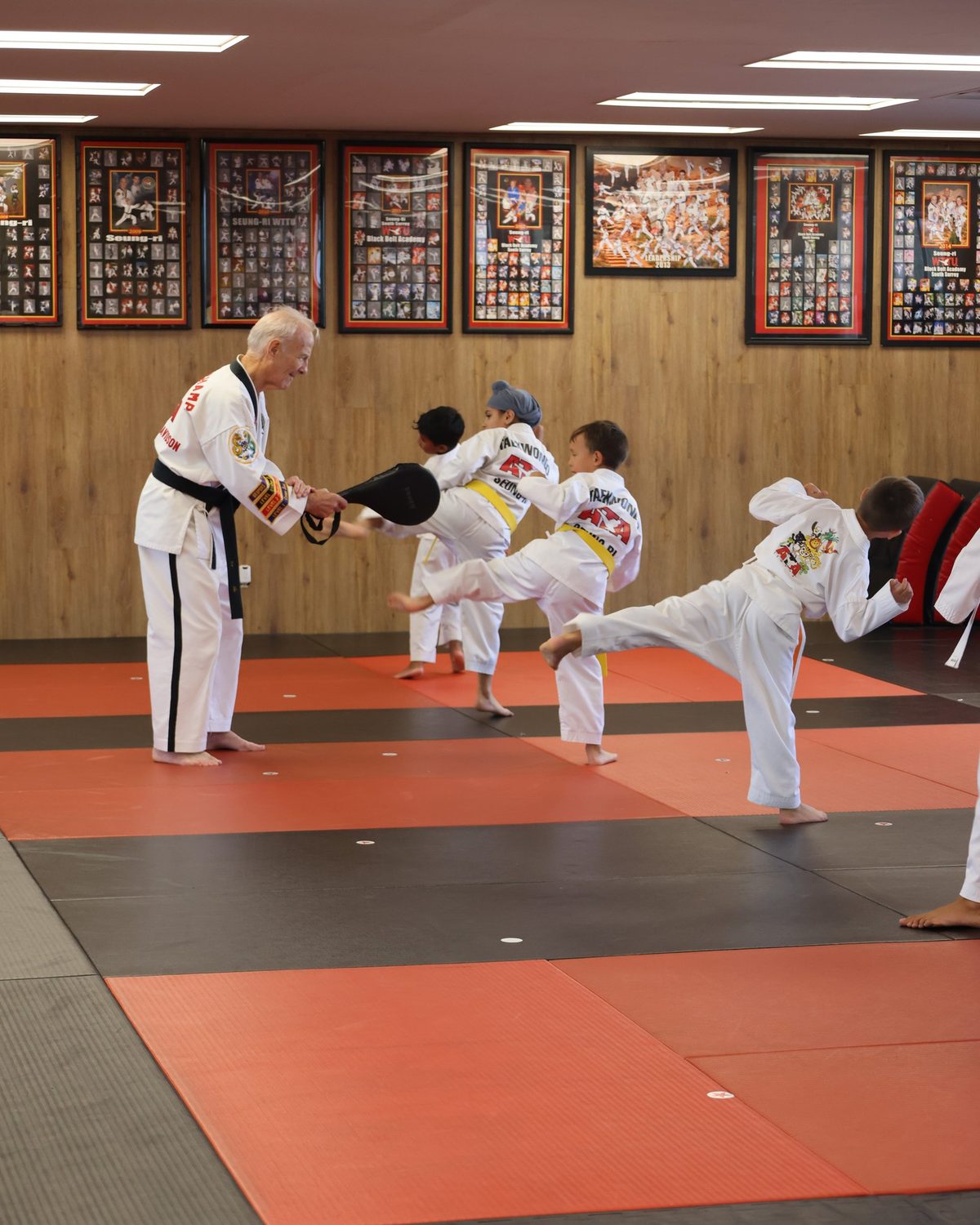
The honest case for family martial arts White Rock households choose is not complicated. You are already driving your child to class two or three times a week. You are already giving up an hour. The question is whether you spend that hour waiting or training. For a lot of parents, the hour stops feeling like a chore and starts feeling like their own time.
There are quieter benefits too. When your child says “my front stance keeps collapsing”, you know what that means, because you have stood in one. You understand why a belt test feels enormous to a nine-year-old.
- Shared language. Stances, blocks, guard position, footwork: you both know the words and the feel of them.
- Visible effort. Children watch what adults do far more closely than what adults say.
- Fewer excuses. It is much harder to skip class when the whole car is going.
None of these benefits require a special program. They come from being in the same place, doing something hard, on the same nights, which is why family martial arts White Rock parents build themselves tends to outlast a once-a-month family event.
What the Research Says About Parents, Kids and Activity
Does a parent’s own training really make any difference to their child? The evidence is more nuanced than the motivational posters suggest, and it changes how you should approach family martial arts White Rock evenings.
Modelling matters, but less than you might think
A 1991 study from the Framingham Children’s Study, which fitted activity monitors to 100 children aged 4 to 7 and their parents, found that children of active fathers were 3.5 times as likely to be active, and children of two active parents 5.8 times as likely, compared with children of inactive parents. It was a small study with wide margins of uncertainty, but it is often quoted for good reason.
A much larger University of Victoria meta-analysis of 115 studies found a more measured picture. Parental modelling was only weakly associated with children’s activity, while parental support showed a moderate relationship. In plain terms, being active yourself helps a little. Actively supporting your child’s activity helps more.
Why that points toward training together
Here is the useful part for anyone weighing family martial arts White Rock options. Training at the same school gives your child both at once. They see you model effort, and they get practical support: the drive, the encouragement, the reminder to pack their uniform, the parent who asks what they learned today and actually understands the answer. Modelling and support stop being two separate jobs.
A 2016 Cambridge review of family-based programs found that involving the family produced a small but significant increase in children’s physical activity, and that the strategies which seemed to work best combined goal-setting with reinforcement. A belt system is, conveniently, a ready-made structure of goals and reinforcement.
Why it matters in Canada right now
ParticipACTION’s report card found that only 37% of Canadian children and youth aged 5 to 17 met the 60 minutes a day of moderate to vigorous activity recommendation, and only 4% met the full 24-hour movement guidelines. Globally, the World Health Organization reports that 81% of adolescents aged 11 to 17 were not active enough. Adults are not doing much better.
The Canadian 24-Hour Movement Guidelines for children and youth ask for at least 60 minutes of moderate to vigorous activity a day, with vigorous and muscle and bone strengthening activity at least three days a week. The guidelines for adults aged 18 to 64 ask for 150 minutes a week plus muscle strengthening twice a week. Two or three family martial arts White Rock evenings a week cover a meaningful share of both.
The Real Benefits of Parents and Kids Sharing a Practice
These are the benefits our coaches see most often in family martial arts White Rock households, where a parent trains at the same address as their child. None of them are promises, and every family is different, but they come up again and again.
1. Your child sees you be a beginner
Most children only ever see their parents being competent: driving, cooking, working, fixing things. Seeing Mum miss a roundhouse kick, or Dad get lost in a combination, teaches a child that being bad at something new is normal and temporary. That lesson lands far harder than any speech about a growth mindset.
2. Practice at home gets easier
Children in taekwondo have patterns to learn. Adults in boxing have combinations. Ten minutes in the living room, coffee table pushed back, becomes a shared habit rather than a nagging session: hold a cushion as a target, count their kicks, let them call your combinations.
3. You understand the coaching
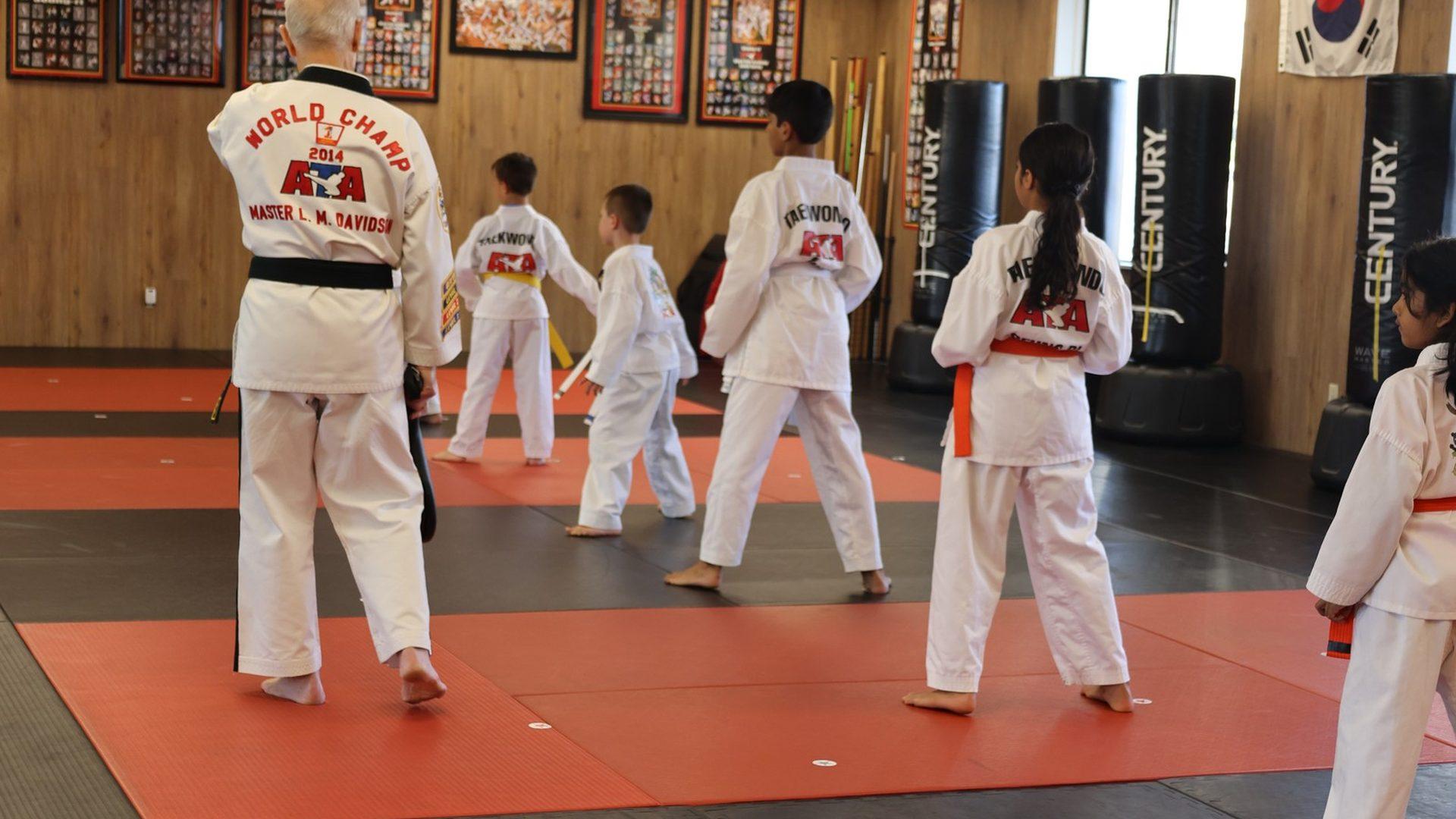
When our taekwondo coach Lorne Davidson or one of the Seung-ri instructors gives your child a correction, you will recognise it, because you will have heard similar corrections in your own class. Children often hear a coach’s words differently from a parent’s words. When both are saying the same thing, it tends to stick.
4. Stress leaves the house through the gloves
Harvard Health notes that exercise can be a genuine way to relax and manage stress, not only a way to get fit. An hour on the heavy bag after a long workday changes the tone of the evening at home. Our article on the mental health benefits of martial arts goes further into this for adults and teens.
5. The habit survives busy seasons
When only the child trains, a busy season for the parent often means the child’s classes quietly slip too. When everyone trains, the family routine has more weight behind it. That is the quiet strength of family martial arts White Rock training: a missed Tuesday becomes the exception, not the start of a slide.
If you are new to training and want to know what your own first weeks will feel like, read the most common beginner martial arts mistakes to avoid before your first class. It saves a lot of frustration, and you can pass the same lessons on to your children.
How Family Martial Arts White Rock Scheduling Actually Works
This is where good intentions usually fall apart, so let us be specific. The goal is to find two or three weekday evenings where your child’s class and your class share a drive and overlap, or sit back to back, so nobody spends an hour waiting in the car. Here is what the timetable offers.
The martial arts side
Taekwondo is the backbone of most family martial arts White Rock schedules, and classes are organised by belt level rather than just by age. Our martial arts programs run Monday to Friday in the afternoons and evenings, and kids classes start from 15:15 on weekdays. The groups include:
- Tigers, for ages 4 to 6.
- K4K Basic, for ages 7 to 9.
- Camo-Purple BBT and Blue-Red BBT, the belt-level groups your child moves through as they progress.
- Junior Leadership and Leadership for students taking on more responsibility.
- Adult/Teen, for ages 13 and up, weekday evenings at 18:30.
- Black Belt, Competition Class, Masters Club and Legacy for advanced students.
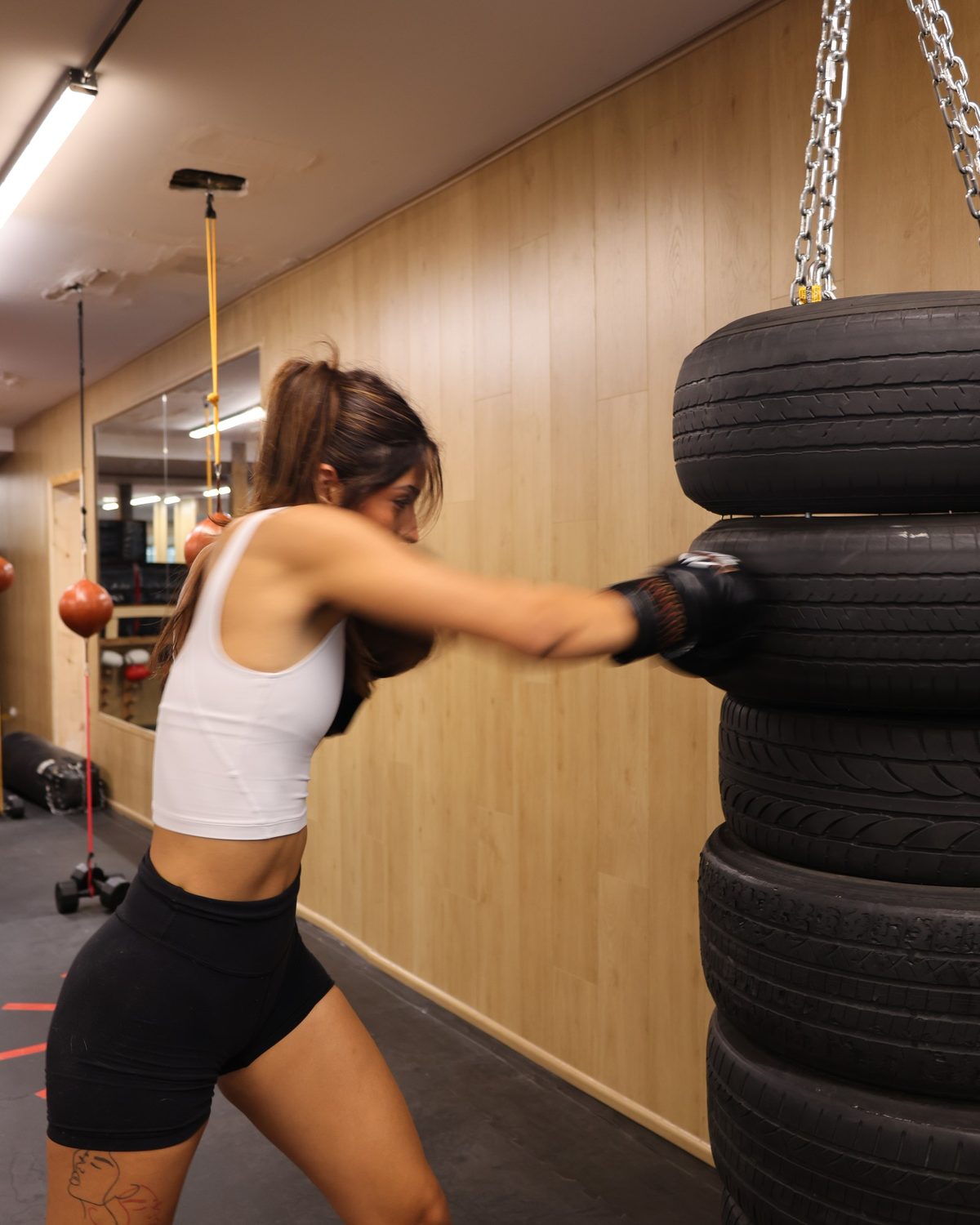
The boxing side
From Monday to Friday, the boxing timetable runs 12:00 Boxing, 16:00 Kids (Junior Gloves, ages 6 to 12), 17:00 Conditioning, 18:00 Technical Class and 19:00 Kickboxing. On Saturdays there are Light Sparring slots at 10:00 and 11:00. One flat monthly membership covers unlimited classes across the boxing and martial arts programs.
That combination is what makes family martial arts White Rock evenings practical. Your child’s belt class sits somewhere in the weekday afternoon or evening block, and there is a boxing or conditioning class for you at 17:00, 18:00 or 19:00 on the same night. Exactly which of those lines up depends on your child’s belt level, which is why we always suggest checking the current martial arts and boxing timetable together with a coach.
Three patterns that work for most families
- Side by side. Your child is in their taekwondo class while you take the boxing class running in the same hour. You arrive together and leave together.
- Back to back. Your child trains first, then does homework or reads in the car or at home with the other parent while you take the next class. This suits families where one parent collects and one parent trains.
- Same class. With a teenager of 13 or older, you both take the 18:30 Adult/Teen martial arts class. This is the closest thing to a true shared class, and it is a very different experience from training in parallel.
Adult classes that suit a training parent
Three boxing classes suit a parent doing family martial arts White Rock evenings alongside a child in taekwondo. The Boxing Conditioning class at 17:00 is the easiest entry point if fitness is the main goal. The Technical Boxing class at 18:00 suits parents who want to learn the craft properly. The Kickboxing class at 19:00 works well once your child’s evening is finished.
If you would rather learn taekwondo yourself but your child is under 13, you can still take the Adult/Teen class on an evening when your child has a different slot, or on the same night if the timing works. Our guide to starting martial arts as an adult in White Rock covers what that first month looks like.
Parents Taking Boxing While Kids Take Taekwondo
For family martial arts White Rock parents with children under 13, this set-up works for a simple reason: it gives both parent and child something that fits their stage of life. Children thrive on the structure, belts, patterns and ceremony of taekwondo. Many adults prefer the directness of pad work, bag work and conditioning after a day at a desk.
It also avoids a problem that shared classes can create. When a parent and a young child train in the same room, the child often performs for the parent rather than listening to the coach. When they are in separate classes at the same address, each can focus. You still share the drive, the building and the conversation afterwards, which is where most of the family benefit lives.
What a side by side evening looks like
Here is a realistic weekday for a family with one child in a belt class and one parent in boxing. Times will vary with your child’s class, so treat this as a shape rather than a fixed plan.
- Arrive 10 minutes early. Your child changes and lines up. You wrap your hands; our guide to choosing boxing gloves as a beginner covers what you need.
- Warm-up. Both classes begin with movement: skipping, footwork, dynamic stretching, stance work.
- Skill block. Your child drills kicks, blocks and patterns. You drill combinations on the bags or pads.
- Conditioning block. Both classes finish with harder work: rounds, bodyweight circuits, core work on the mats.
- Cool-down and debrief. In the car on the way home, each of you shares one thing you learned.
The ride home is where family martial arts White Rock routines turn into family conversations. Ask “What was the hardest thing today?” Then answer it yourself.
A word on kids and boxing
Some parents ask whether their child should do boxing with them instead of taekwondo. We run Junior Gloves for ages 6 to 12 as a skill and fitness class. You should also know that the Canadian Paediatric Society and the American Academy of Pediatrics have advised that boxing is not an appropriate sport for children and teens, mainly because of the risk of head injury in competitive boxing.
We take that seriously. Junior Gloves is not a competitive boxing program, and it is framed around technique, coordination and fitness. For details on how contact is handled, ask our coaches directly rather than relying on anything online. Our article on kids boxing classes in White Rock answers the most common parent questions in more depth.
Siblings of Different Ages Under One Roof
Families with two or three children face the hardest scheduling puzzle, and it is also where family martial arts White Rock training pays off most. One building, one timetable and one membership model is far simpler than three children at three different venues across South Surrey on three different nights.
Matching each child to the right class
| Family member | Age | Likely class | What it focuses on |
|---|---|---|---|
| Youngest child | 4 to 6 | Tigers (taekwondo) | Listening, balance, basic kicks, following instructions |
| Middle child | 7 to 9 | K4K Basic (taekwondo) | Fundamental techniques, first patterns, belt goals |
| Older child | 6 to 12 | Junior Gloves (boxing) or their belt-level class | Coordination, footwork, fitness, or continued belt progress |
| Teenager | 13 and up | Adult/Teen (taekwondo), 18:30 | Full techniques, patterns, fitness, can train with a parent |
| Parent | Adult | Adult/Teen, Conditioning, Technical or Kickboxing | Your own goals: fitness, skill or both |
Children who have been training for a while move into the belt-level groups such as Camo-Purple BBT or Blue-Red BBT, so an older sibling with a year of experience may not be in the class their age alone would suggest. A coach will place each child properly after watching them train.
Handling the age gap without resentment
The biggest risk with siblings is comparison, in both directions. A few habits help:
- Celebrate effort, not rank. Ask “what did you work hard on?” before “did you pass?”
- Keep belt tests separate. Each child’s test is their event. Do not make it a family scoreboard.
- Let each child own something. If one child loves taekwondo and the other prefers Junior Gloves, that is fine. Same building, different identities.
Why the teen years are a special opportunity
The WHO data showing most adolescents are not active enough reflects something every parent sees: activity drops sharply in the teen years. The 18:30 Adult/Teen class is where family martial arts White Rock training becomes literally shared, a rare chance to train with a teenager as near equals. For more on this age group, read our guide to teen martial arts in White Rock, and our batch post on boxing for teens in White Rock for teenagers drawn to the gloves.

Keeping Family Training Fun for Years, Not Weeks
Most families do not stop because training is too hard. They stop because it becomes a chore. Sport for Life’s long-term development framework makes the point that children build physical literacy through the Active Start, FUNdamentals and Learn to Train stages, and that the goal is for people to stay active for life. Fun is not a bonus in that model. It is the mechanism.
Taekwondo Canada follows the same long-term thinking in its long-term athlete development resources. For family martial arts White Rock households, that means the target is not a black belt by next summer. The target is a household that is still training together in five years.
Seven ways to keep it enjoyable
- Keep home practice short. Ten minutes, three times a week, beats a forced hour on Sunday.
- Let the child teach you. Ask them to show you a technique from their class. Teaching cements learning.
- Make a kick counter. A tally on the fridge for practice sessions, not for results.
- Swap roles. Hold pads for each other with cushions. Children love being the coach.
- Celebrate small milestones. A first pattern memorised deserves a family treat as much as a belt does.
- Do not coach from the side. If you watch your child’s class, watch quietly. The coach runs the room.
- Talk about why. Once a month, ask each other what you like about training. Adjust if the answer changes.
AboutKidsHealth, from the Hospital for Sick Children, advises parents to be a healthy role model and help children find activity they genuinely enjoy. Enjoyment is what brings a child back after the novelty wears off, and it is what brings a tired parent back on a wet November Tuesday.
Weekend family activity close to the gym
Family martial arts White Rock routines work best when they sit inside a generally active week. The City of White Rock’s Centennial and Ruth Johnson Park has playing fields, a track and a playground, which makes it a good spot for a Sunday footwork session. Walking the promenade from the pier toward East Beach is another easy way to stack light activity around your gym nights.
A Sample Family Weekly Schedule
Here is an example of how a family of four might build a family martial arts White Rock week. It assumes a teenager of 14, a child of 8 in K4K Basic, and two parents, one who wants to learn taekwondo with the teenager and one who prefers boxing. Your child’s belt-level class times will differ, so use this as a template, then fill it in with real times from the Kingdom Athletics class schedule.
| Day | Child (8, K4K Basic) | Teen (14) | Parent A | Parent B |
|---|---|---|---|---|
| Monday | Belt class (afternoon, from 15:15) | Adult/Teen, 18:30 | Adult/Teen, 18:30 | Rest or walk |
| Tuesday | Rest, 10 minutes of patterns at home | Rest | Rest | Conditioning, 17:00 |
| Wednesday | Belt class | Adult/Teen, 18:30 | Adult/Teen, 18:30 | Technical Class, 18:00 |
| Thursday | Rest, practice with sibling | Home stretching | Rest | Rest |
| Friday | Belt class | Optional Adult/Teen | Kickboxing, 19:00 | Rest |
| Saturday | Family walk on the promenade | Family walk | Light Sparring, 10:00 (once ready) | Family walk |
| Sunday | Rest | Rest | Rest | Rest |
Notice what this plan does. The eight-year-old trains three times. The teenager and one parent share two evenings in the same class. The boxing parent trains twice without anyone waiting in a car. And there is real rest built in. You do not need every family member at every session for family martial arts White Rock training to work.
Adjusting the plan to your household
- One parent, two kids: pick the two nights when both children’s classes fall close together, and take a boxing class during the overlap.
- Shift workers: the 12:00 Boxing class on weekdays gives a parent a way to train while children are at school, keeping evenings for the kids.
- A reluctant teen: start with one shared Adult/Teen class a week, no pressure, and let them decide on a second.
For the parent in the plan who is over 40 and new to structured training, our batch guide on fitness after 40 in White Rock covers recovery, pacing and joint care. It is worth reading before you commit to three nights a week.
Getting There From Across the Peninsula
Location matters more for family martial arts White Rock training than for individuals, because every extra minute of driving is multiplied by every family member and every night. Kingdom Athletics sits on Johnston Road in uptown White Rock, a short drive east for families in Ocean Park and Crescent Beach.
From Morgan Creek, Rosemary Heights, Grandview Heights, Sunnyside and Elgin Chantrell, most routes come south on 152 St or King George Blvd, past Semiahmoo Town Centre. Parents commuting home on Highway 99 from Campbell Heights can collect the kids on the way. If you are weighing us against schools closer to home, our comparison of martial arts styles in South Surrey and our batch post on martial arts in Langley will help you judge the options fairly.
Safety When the Whole Family Trains
Safety questions multiply when more than one family member trains. Parents quite rightly want to know how coaches handle children and adults of different sizes, what happens with contact, and how injuries are managed. Here is how to think about it.
Questions to ask any school, including ours
- How are children grouped: by age, by belt, or both?
- Is there any sparring or contact in my child’s class, and when is it introduced?
- What happens if a child takes a knock to the head?
For sparring and contact questions, the right source is the coach running the class, not a blog. Ask our coaches, and expect a clear answer. The only sparring slot on our published boxing timetable is Saturday Light Sparring, and our guide to the rules of sparring for beginners explains how adults approach it sensibly.
Concussion awareness for the whole household
Every family that trains should know the basics. Parachute, Canada’s injury prevention charity, explains that a concussion is a brain injury that cannot be seen on routine X-rays, CT scans or MRIs, and that it can follow a blow to the head, face or neck. Taekwondo Canada also publishes concussion guidance for the sport, which is worth reading once as a family.
The practical rule is simple. If anyone in the family feels unwell after a knock, they stop training that day and get checked. Parents set the tone here: if you sit out when something feels wrong, your children learn that doing the same is normal, not weak.
Different bodies, different loads
A 40-year-old parent and a 14-year-old in the same Adult/Teen class will not recover at the same rate, so adults should expect to scale conditioning early on. For the youngest children, the early years movement guidelines emphasise lots of varied, energetic play for preschoolers, which is exactly what a good Tigers class should feel like.
Starting Your First Month as a Family
The first month decides whether family martial arts White Rock training becomes a habit. Go too hard and someone burns out by week three. Go too soft and nobody feels part of anything. Here is a week-by-week approach that works for most families.
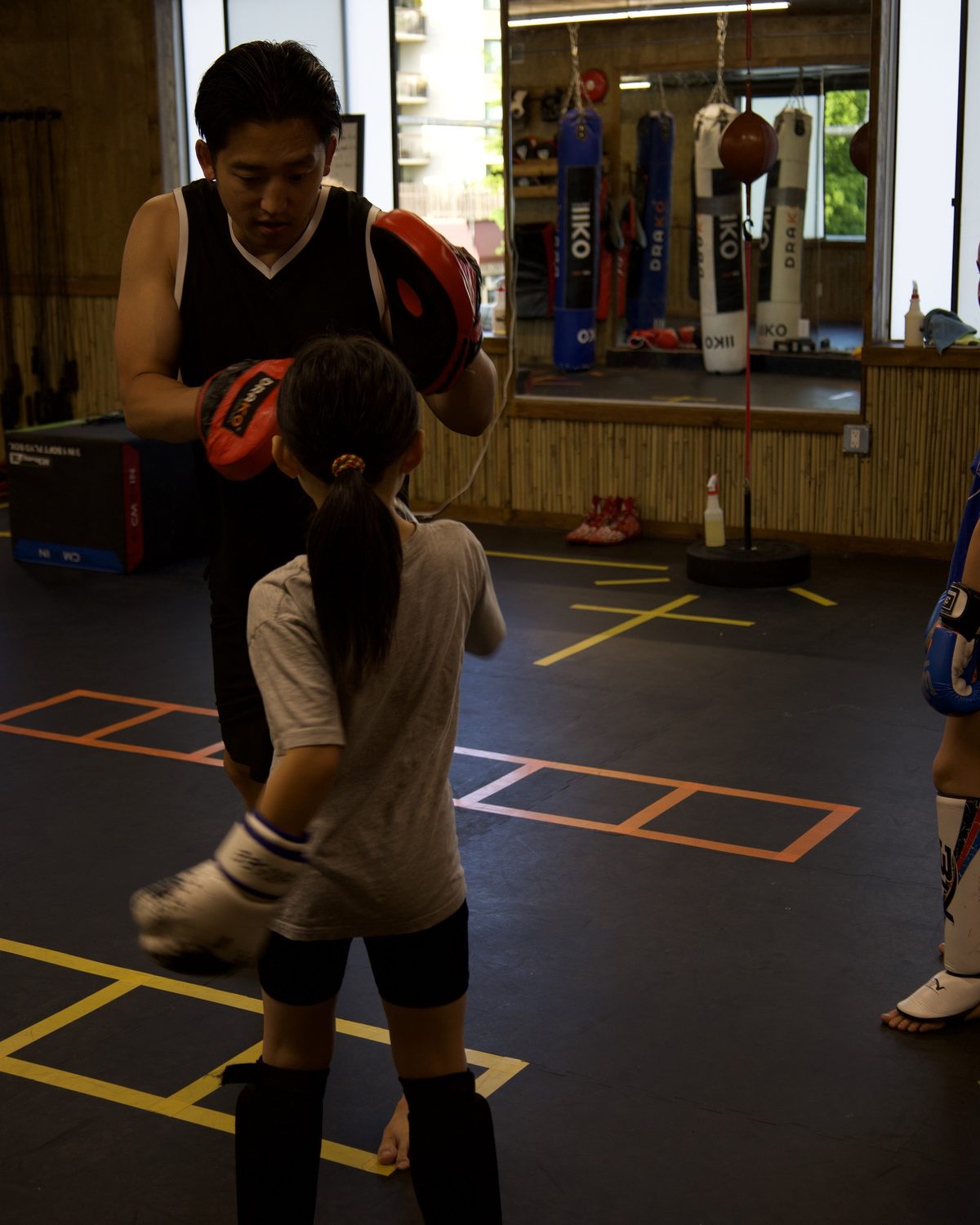
Week 1: one class each
Each family member takes one class. Children try their age-appropriate belt class. Parents try one boxing or Adult/Teen session. Nobody commits to anything yet. Talk about it over dinner. Our list of things nobody tells you before your first boxing class is a good read for the adults.
Week 2: find your two nights
Choose two weekday evenings where schedules line up and try both. If a night makes dinner or bedtime feel rushed, swap it now rather than forcing it for a month.
Week 3: add home practice
Start ten-minute home sessions. The child shows a technique from class, the parent shows a combination, and nobody grades anybody.
Week 4: review honestly
Ask each person what they enjoy, what is hard, and whether they want to keep going. If one child is not enjoying their class, talk to a coach about whether a different group or discipline would suit them. If you have questions about membership for more than one person, contact our front desk and we will explain how it works for your household.
Before you sign anything anywhere, our guide on questions to ask before signing a gym membership in White Rock gives you a clear checklist. It applies just as much to a martial arts school as it does to a gym.
Frequently Asked Questions
Does Kingdom Athletics run a family martial arts class?
No. We do not advertise a dedicated family class. Families looking for family martial arts White Rock options train together by taking classes that suit each person at the same address, often on the same evenings. Parents and teenagers aged 13 and up can take the same Adult/Teen class at 18:30 on weekday evenings.
Can I train in the same class as my young child?
Not in the kids belt classes, which are built for children. With a child under 13, the usual approach is to take a boxing, conditioning or kickboxing class at the same address while your child is in their own class, so you share the drive and the evening.
What age can my child start taekwondo?
Our Tigers class is for ages 4 to 6, and K4K Basic is for ages 7 to 9. Children then progress through belt-level groups. Kids martial arts classes start from 15:15 on weekdays, and our batch guide to taekwondo in White Rock explains the belt path in detail.
Do I need any experience to start alongside my child?
No. Plenty of parents who begin family martial arts White Rock training alongside their children have never trained before. Coaches scale techniques and conditioning to each person. Tell your coach it is your first class and they will guide you through it.
How much does a family membership cost?
We do not publish prices online. One flat monthly membership covers unlimited classes across our boxing and martial arts programs. For details on how that works for more than one family member, call (778) 237-5905 or get in touch through our contact page.
Can my teenager take boxing with me?
Our published boxing classes are listed for adults, with Junior Gloves for ages 6 to 12. For a teenager interested in boxing, speak with our coaches about the right fit, and read the Canadian Paediatric Society’s position on youth boxing first. The Adult/Teen taekwondo class is the clearest shared option.
Book Your First Family Martial Arts White Rock Evening
Family martial arts White Rock households stick with is not about a special program. It is about a timetable that works, classes that fit each person, and a school that treats a nine-year-old’s yellow stripe and a parent’s first clean combination with the same respect. We bring 20+ years of experience and more than 10K students trained to every class, whether you arrive alone or with the whole family.
Our coaching team includes Matt, the owner; Lorne Davidson on taekwondo; Khaila on fitness boxing; and Kenny, Spencer, Fabian and Arion across boxing, kickboxing and strength. Nick works on rehab, fascial release and stretching. Read our mission and what we stand for, browse every class we offer, then pick your family’s first evening.
When you are ready, book your first class through our contact page or call (778) 237-5905. Tell us the ages of everyone in the family, and we will help you find the nights where everyone’s classes line up at 1493 Johnston Road.