After School Programs South Surrey: A Proven 7-Step Parent Guide
October 15, 2026•22 min read•Boxing & Martial Arts, Youth Sports
Choosing between after school programs South Surrey families can realistically get to is one of those decisions that looks simple in September and feels very different by November. The brochure says Tuesday and Thursday. Real life says one child finishes at a different bell time, the other has a project due, the rain has started, and 152 Street is backed up past 24 Avenue.
This guide is a working framework for parents: what the research says about the hours between school and dinner, how much activity kids need, how to handle screens, how to compare cost, time and commute, and finally how the weekday afternoon classes at Kingdom Athletics fit into that picture.
We coach kids every weekday afternoon on Johnston Road in uptown White Rock, so we have a view, and we will try to keep it honest. Not every child belongs in a boxing gym or a taekwondo class. The right mix for your family might be swimming, a choir and a lot of free play at the park.
How to Choose After School Programs South Surrey Kids Will Actually Stick With
Most families start by asking “what is my child interested in?” It is a good question, but only one of five. The program that lasts is often not the one a child was most excited about in week one, but the one that fits the family’s week, sits near the route home, and gives the child a feeling of getting better at something.
Before you look at a single timetable, answer these five questions for your household:
- What gap are we filling? Movement, a skill, friendships, confidence, or simply fewer hours on a tablet? Different goals point to different programs.
- Which afternoons are genuinely free? Write down every adult’s work finish time and every child’s dismissal time, then see which days have a real gap.
- Who drives, and from where? A program 8 minutes from school but 25 minutes from the pickup parent’s office is a 25 minute program.
- What does success look like in 12 weeks? A new belt, a first recital, better sleep, a calmer child at dinner? Pick something you can observe.
- What is the total cost? Not only fees, but gear, fuel, tournament weekends, and the hidden cost of evenings where nobody eats before 7:30.
Keep those answers beside you. Every option below will be judged against them, and the list of after school programs South Surrey parents are weighing usually gets much shorter very quickly. If you are new to structured sport altogether, our library of training and parenting articles covers a lot of the background, from gear to first-class nerves.
Why the 3 to 6 pm Window Matters So Much
The late afternoon quietly decides a lot of a child’s day. An Australian study of 406 children with an average age of about 8 used accelerometers to track the time between the end of school and 6 pm on weekdays.
The after-school period study by Arundell and colleagues found children spent 54 percent of that window sedentary, and parents reported an average of 96 minutes of screen-based sitting in those hours, which was 84 percent of the children’s daily screen-based sitting. Boys averaged 18.8 minutes and girls 16.7 minutes of moderate to vigorous activity in the window, less than a third of the daily target.
That is encouraging. The authors concluded that small changes in the after-school hours can have a large effect on whether a child meets the daily targets. One active hour, three or four times a week, is one of the most reliable changes a parent can make, and it is the real job we want after school programs South Surrey kids attend to do.
Canadian numbers point the same way. The Statistics Canada release on physical activity and screen-time adherence, drawn from the Canadian Health Measures Survey for 2022 to 2024, found 51.8 percent of children aged 5 to 11 met the recommendation of 60 minutes of moderate to vigorous activity a day.
For youth aged 12 to 17 that fell to 20.8 percent, and for girls in that age group it was 8.4 percent. On screens, 61.5 percent of 5 to 11 year olds stayed within two hours of recreational screen time, but only 27.8 percent of 12 to 17 year olds did.
The drop is steepest for girls. Habits built at 8, 9 and 10 are the ones a child carries into Grade 8 at Semiahmoo Secondary, Earl Marriott, Elgin Park or Grandview Heights Secondary, which is why the after school programs South Surrey families pick in the elementary years deserve real thought.
What the window looks like in a real South Surrey week
Surrey School District 36 covers both South Surrey and White Rock, so most local kids come out of the same system: Ocean Cliff, Crescent Park, Laronde, Bayridge and Semiahmoo Trail in the south and west, Chantrell Creek and Pacific Heights up the hill, Rosemary Heights and Morgan Elementary to the north and east, White Rock Elementary, Peace Arch and Sunnyside closer to the water.
Dismissal lands in the mid afternoon and the exact bell time varies by school, so check yours before building a plan. If you are not sure which school your address feeds, the Surrey Schools catchment locator will tell you.
From dismissal, a typical working family’s afternoon breaks into three parts:
- First 30 to 45 minutes: travel, a snack and decompression. This is when most screen time starts, because it is the easiest thing to hand over.
- The middle hour: the best slot for a structured class. The child has eaten, has energy back, and dinner is still a way off.
- The last hour before dinner: homework, chores and cooking. Activities that run into this hour push dinner and bedtime later.
The practical lesson: when you compare after school programs South Surrey schools are near, look for classes that start roughly an hour after dismissal and finish before dinner. For most families that means something between about 3:15 and 5:00.
What Canadian Guidelines Ask For, in Plain Language
The benchmark for any of the after school programs South Surrey kids join is the Canadian 24-Hour Movement Guidelines for children and youth aged 5 to 17, built around four words: sweat, step, sleep and sit.
| Guideline | What it asks for (ages 5 to 17) | Where after-school time helps |
|---|---|---|
| Sweat | At least 60 minutes a day of moderate to vigorous activity, with vigorous activity and muscle and bone strengthening each on at least 3 days a week | One hard-working class covers a large share of a day’s target and counts toward the 3 strengthening days |
| Step | Several hours of structured and unstructured light activity | Walking to the bus, playing at the park, moving around a class |
| Sleep | 9 to 11 hours a night for ages 5 to 13, 8 to 10 hours for ages 14 to 17, uninterrupted | Late evening activities can push bedtime back, so earlier slots protect sleep |
| Sit | No more than 2 hours a day of recreational screen time, and limited sitting for long stretches | Every hour in a program is an hour off a device |
The World Health Organization’s physical activity fact sheet reports that 81 percent of adolescents aged 11 to 17 worldwide were not active enough, with girls less active than boys, 85 percent versus 78 percent. Canadian kids face the same pull toward sitting as kids everywhere else.
Treat the guidelines as a weekly budget, not a daily exam. A demanding class on Monday, Wednesday and Friday plus outdoor play on Tuesday hits the strengthening target and most of the activity target, a far more realistic goal for after school programs South Surrey families can sustain than filling every afternoon.
Why sleep belongs in this conversation
A Statistics Canada Health Reports study on activity, screen time and sleep looked at 4,250 Canadian children and youth and found that youth who met two or more of the three recommendations had lower odds of being at risk for poor psychosocial health than those who met none. The authors singled out sleep as a key correlate of psychosocial health among youth. So when you weigh after school programs South Surrey runs in the evening, remember that a class ending at 8:30 pm can cost more than it gives if it costs an hour of sleep.
Screen Time: The Competition Every Program Is Up Against
Be honest about what the after-school hours are really being compared with. It is rarely “no activity versus piano.” It is usually “piano versus YouTube.” A program does not need to be the most impressive option in town; it needs to be more engaging, more social and more satisfying than the device in your child’s pocket. That is a useful test for any of the after school programs South Surrey parents are considering.
The Canadian Paediatric Society’s position statement on healthy screen use in school-aged children and adolescents, reaffirmed in 2025, is built around four Ms: manage, meaningful, model and monitor. Several of its points fit neatly with choosing activities:
- Make a family media plan with clear limits, rather than negotiating every afternoon from scratch.
- Put face-to-face interaction, sleep and physical activity ahead of screen use.
- Discourage media multitasking, especially during homework.
- Keep screens off for at least an hour before bed, and set daily screen-free times such as meals.
- Watch for signs of problem use, like a child who cannot cope with boredom without a device.
A class is one of the easiest ways to apply the first two points without a fight. The limit is built into the calendar, and nobody argues about “ten more minutes” when the car leaves at 3:40.

Structured vs Unstructured Time: You Need Both
A common mistake is swinging too far toward structure. A program every afternoon looks productive on paper, but it removes the free play where children invent games, settle their own disagreements and learn to be bored without a screen. The guidelines above explicitly call for both structured and unstructured activity.
The Sport for Life long-term development framework is a useful guide. Its FUNdamentals stage describes fun, inclusive, multisport and developmentally appropriate settings, with physical literacy as the foundation that comes before serious specialization. In practice, when you plan after school programs South Surrey kids of 8 or 9 attend, two or three kinds of movement usually beat one sport five days a week.
Organized activity also carries benefits beyond the exercise itself. An umbrella review of organized activities and youth mental health found a small positive effect of organized sport on children’s and teens’ mental health, and that effect did not seem to depend on the type of sport. Evidence for organized non-sport activities was more limited. The honest reading is that the specific sport matters less than regular participation in something organized.
A balanced week built from after school programs South Surrey kids can manage usually includes:
- Two or three structured sessions with a coach or teacher, where skill is taught and progress is visible.
- One or two unstructured afternoons at a park, on the sand at Crescent Beach, on a bike or in the backyard.
- At least one quiet afternoon with nothing booked, when homework catches up and kids recharge.
The City of Surrey’s page on recreation programs for children aged 6 to 12 lists a MYzone after-school drop-in where children aged 8 to 12 can come in any time between 3 and 5 pm, and a MYgame drop-in from 5 to 6 pm, alongside registered swimming, skating, sports, music and dance. Drop-ins add light, social activity without another fixed commitment.
ParticipACTION’s Report Card on physical activity for children and youth grades Canadian kids across 14 indicators, including organized sport, active play and sedentary behaviour, and its 2026 progress report updated six of them. The aim is a balanced week, not one perfect activity.
Comparing After School Programs South Surrey Families Actually Use
Here are the common options side by side. Fees for other providers change every season and vary between clubs, so the table shows what drives the cost instead.
| Option | Typical weekly time | Main cost drivers | Commute pattern | Activity level | Best for |
|---|---|---|---|---|---|
| Community sports teams (soccer, hockey, basketball) | 2 to 4 practices plus games | Registration, uniforms, equipment, tournament travel | Fields and rinks across Surrey; away games can be far | High on practice days | Kids who love teammates and competition |
| Swimming lessons or swim club | 1 to 2 lessons, more for club | Session fees, pool passes | Fixed pool locations; early or late club slots | Moderate to high | Water safety and aerobic base |
| Music lessons | 30 to 60 minutes plus home practice | Lesson fees, instrument purchase or rental | Usually one short trip a week | Low | Focus, patience, creativity |
| Tutoring | 1 to 3 sessions | Hourly rates | Home, online or a local centre | Very low | A specific academic gap |
| City recreation drop-ins and registered classes | Flexible | Drop-in fees or passes, session registration | Local recreation centres | Varies | Trying things without a long commitment |
| Martial arts (taekwondo) | 2 to 4 classes | Membership, uniform, belt testing | One consistent location | Moderate to high | Discipline, flexibility, clear goals through belts |
| Kids boxing (technique and fitness) | 2 to 3 classes | Membership, gloves and wraps | One consistent location | High | Energetic kids, coordination, confidence |
Three things jump out. Team sports carry the most hidden time: games and tournaments can take whole weekends, and the location changes week to week. Music and tutoring are valuable but not active: if your child does both, the movement has to come from somewhere else. Single-location programs are easier to sustain: martial arts and boxing classes run at one address on a timetable that repeats every weekday, so a missed Tuesday can become a Wednesday. That flexibility is why membership-based after school programs South Surrey families choose often survive a busy year better than term-based ones.
For a deeper look at styles and class formats, see our guide to martial arts in South Surrey. Plenty of young athletes do more than one sport, so we have also written about youth basketball training, junior tennis lessons and swim training for kids.
How to score your shortlist
With three or four candidates in hand, score each from 1 to 5 on these seven points and add them up:
- Fit: does the start time sit comfortably after dismissal and before dinner?
- Distance: is it on the route home, or a detour?
- Movement: how much of the session is spent actually moving?
- Progress: can your child see themselves improving, through belts, skills or performances?
- Flexibility: is there a make-up option for a missed session?
- Coaching: after watching a class, do you trust the adults running it?
- Cost: is the total monthly cost, including gear and travel, sustainable for a full year?
It is not scientific, but it forces you to compare after school programs South Surrey offers on the same terms, rather than on whichever one had the best website.
The Commute: South Surrey Geography Is Part of the Decision
South Surrey and White Rock look compact on a map and feel spread out in a car, especially at 3:30 on a school day.
- Think in corridors. 152 Street, King George Boulevard, 16 Avenue and Johnston Road carry most of the traffic. Among after school programs South Surrey parents drive to, one on your usual corridor beats a slightly better one across town.
- Watch Highway 99 and the border. Traffic near the Peace Arch and Douglas crossing can back up quickly, so check before committing to a slot that crosses that area at peak times.
- Plan for the wet season. From November to March, rain and early darkness slow every drive and cancel outdoor practices. An indoor program on a fixed timetable is easier to keep through winter.
- Let teens ride transit. TransLink’s trip planner shows quickly whether a program is reachable by bus from school, which can take a driving shift off the family calendar.
A simple test: do a dry run on a normal school day, school to program to home, at the times you would actually drive. If the whole loop is longer than the class itself, think hard before signing up for any of the after school programs South Surrey traffic makes awkward. Our checklist for choosing a South Surrey boxing gym covers how to judge location, timetables and coaching when comparing facilities.
Safety Questions to Ask Any Program
Good after school programs South Surrey parents can trust welcome questions. If a coach gets defensive about safety, that is useful information.
Supervision and care
Be clear about what you are signing up for: a class is not child care. The province’s guide to the different types of child care in B.C. explains the four categories, including licensed facilities inspected by health authorities and school age care on school grounds before and after school hours.
If you need someone responsible for your child all afternoon, that is a licensed care question, not a sports class question. Many families combine the two. Ask any program when supervision starts and ends, whether kids can arrive early or wait afterwards, and what happens if you are late for pickup.
Head contact and concussion
For combat sports this deserves a straight answer. The Canadian Paediatric Society’s statement that children and teens should not participate in boxing, issued jointly with the American Academy of Pediatrics in 2011, is aimed at a sport that rewards deliberate blows to the head, and it notes there is no evidence that headgear reduces concussion rates. Parents should read it.
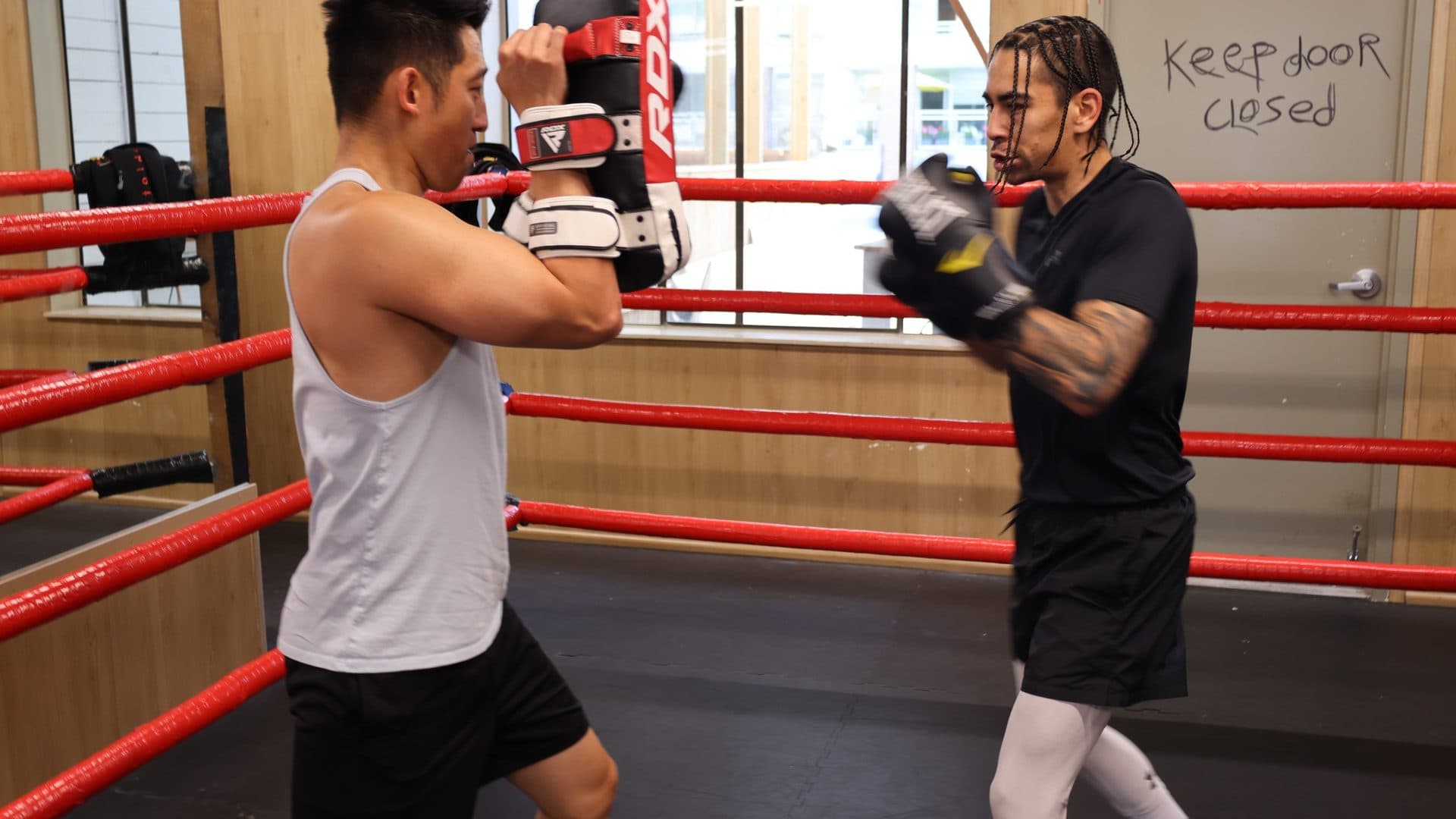
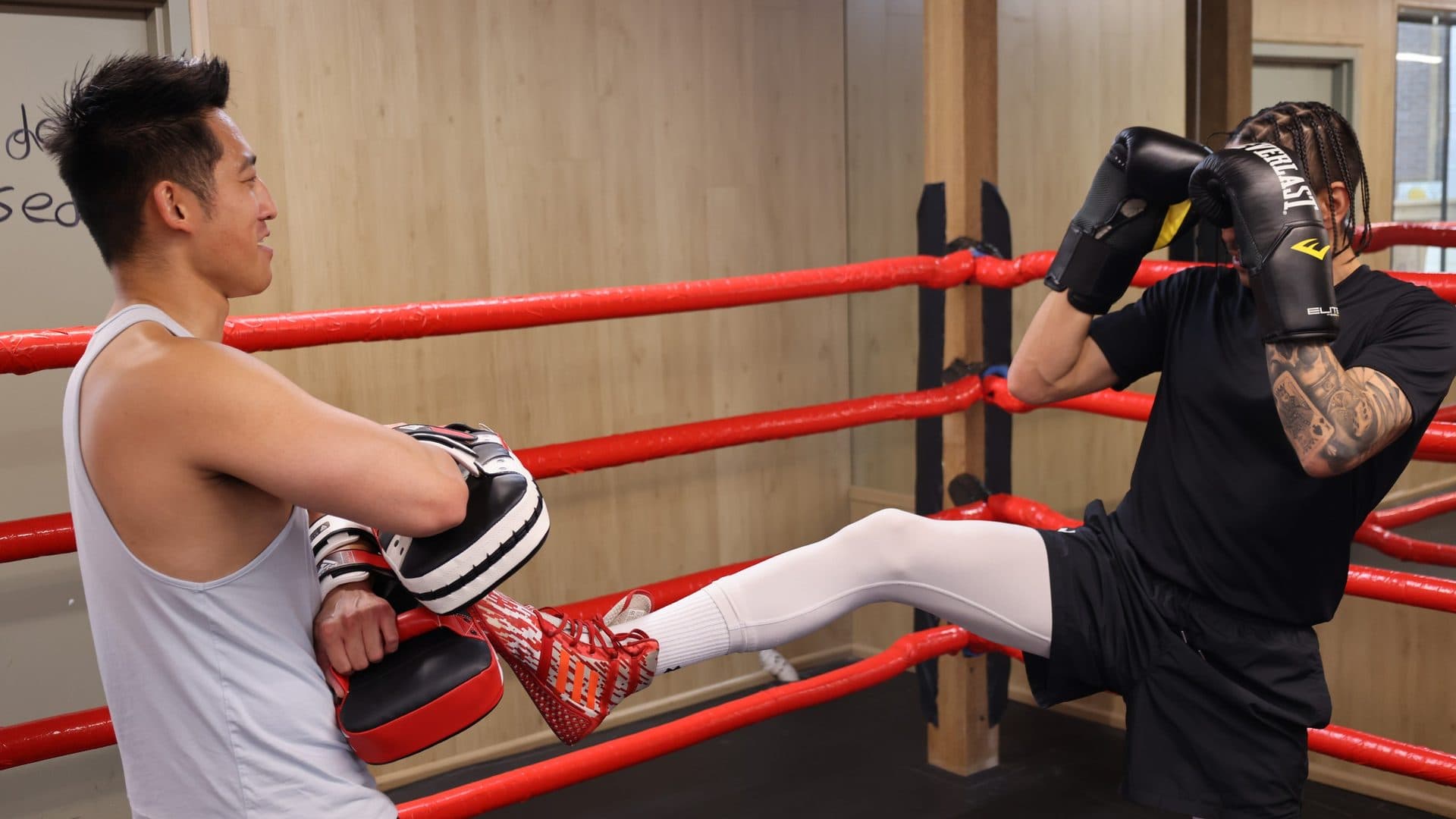
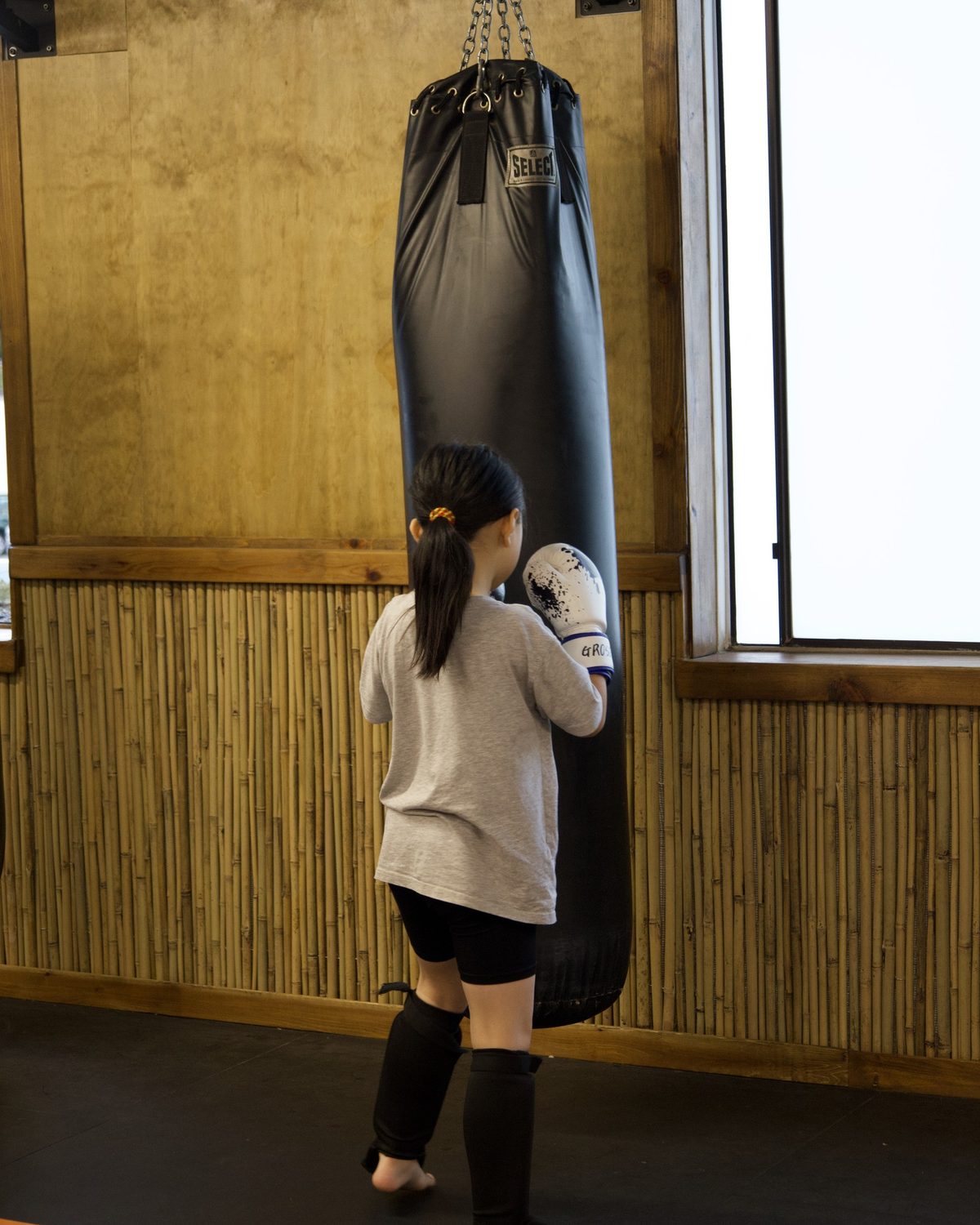
In practice, the key question for any kids boxing or martial arts program is how much head contact is involved, at what age, and under what rules. Ask the coach: do kids spar, and is head contact allowed? What does a typical class involve: bag work, pad work, footwork, conditioning, partner drills? A well-run youth program answers clearly. Our guide to kids boxing classes in White Rock goes further into what to ask.
For any sport with collision risk, including hockey, soccer and rugby, the Canadian Guideline on Concussion in Sport from Parachute applies to parents, coaches and athletes, and requires a medical clearance letter from a doctor or nurse practitioner before an athlete returns to full contact. Ask whether coaches know and follow it.
Safe sport
Sport bodies now publish safe sport policies and reporting processes. Boxing BC’s safe sport page explains how to report misconduct or maltreatment in boxing, and Taekwondo Canada’s safe sport policies do the same for taekwondo. Read them before your child starts anywhere, so you know what good practice looks like: classes parents can watch, clear communication, and adults who never isolate a child.
What a Good Kids Class Looks Like, Minute by Minute
Watch a full class before you commit to any of the after school programs South Surrey has for your child. Here is roughly what a well-run 45 to 60 minute kids session tends to look like in a boxing or martial arts setting:
- Arrival, first few minutes. Shoes and bags away, kids line up. A clear, on-time routine settles children who have just left a noisy classroom.
- Warm-up, about 5 to 10 minutes. Movement games, skipping, footwork patterns, light stretching. It should feel like play while building coordination and balance.
- Skill block, about 15 to 20 minutes. One or two techniques taught clearly, such as a stance and jab, a front kick or a block, with short demonstrations, many repetitions and individual corrections.
- Application, about 10 to 15 minutes. Kids use the skill on bags, on pads held by a coach, in a form, or in a controlled partner drill. This is where they see progress.
- Conditioning or game, about 5 to 10 minutes. Relay races, core work on the mats, a reaction game.
- Cool-down, last few minutes. Stretching, a quick recap and recognition of effort. Kids should leave feeling capable, not flattened.
As you watch, check that kids are moving rather than standing in line, that corrections are in words kids understand, and that quieter kids get attention too. Our article on common mistakes in the first martial arts classes is useful for parents too, and our beginner’s guide to boxing gloves covers the main gear a boxing beginner needs.
A 12-Week Plan for Testing a New Program
Kids rarely know if they like something after one class; give it about three months. This plan gives any of the after school programs South Surrey offers a fair trial without overcommitting.
| Weeks | Focus | What parents do |
|---|---|---|
| 1 to 2 | Get comfortable | Attend 1 to 2 classes a week. Watch if allowed. Praise showing up. |
| 3 to 4 | Build the routine | Lock in the same days. Pack the bag the night before. Ask one specific question after class, such as “what did you learn today?” |
| 5 to 8 | See progress | Add a class if your child is keen. Ask the coach what your child is working on. |
| 9 to 12 | Decide | Check your success measure from the start. More active, more confident, sleeping better, asking to go? Decide together. |
The worst outcome is quitting in week two because one class was hard. The second worst is carrying on for a year with something nobody enjoys. A 12-week review avoids both, and it works for any activity, not just ours.
How Kingdom Athletics Fits the After-School Window
Kingdom Athletics is a boxing, kickboxing and martial arts gym at 1493 Johnston Road, Unit 101, in uptown White Rock, serving families from White Rock and across South Surrey, including Ocean Park, Crescent Beach, Morgan Creek, Rosemary Heights, Grandview Heights, Semiahmoo, Sunnyside, Elgin Chantrell and Campbell Heights. You can read more about us on our mission page.
To be clear about what we are and are not: we run classes. We do not offer school pickup, child care, homework help, or supervision outside class time. If you need full afternoon coverage, pair a licensed care provider with our classes. With that said, our weekday timetable was built with the after-school window in mind.
Taekwondo from 15:15 on weekdays
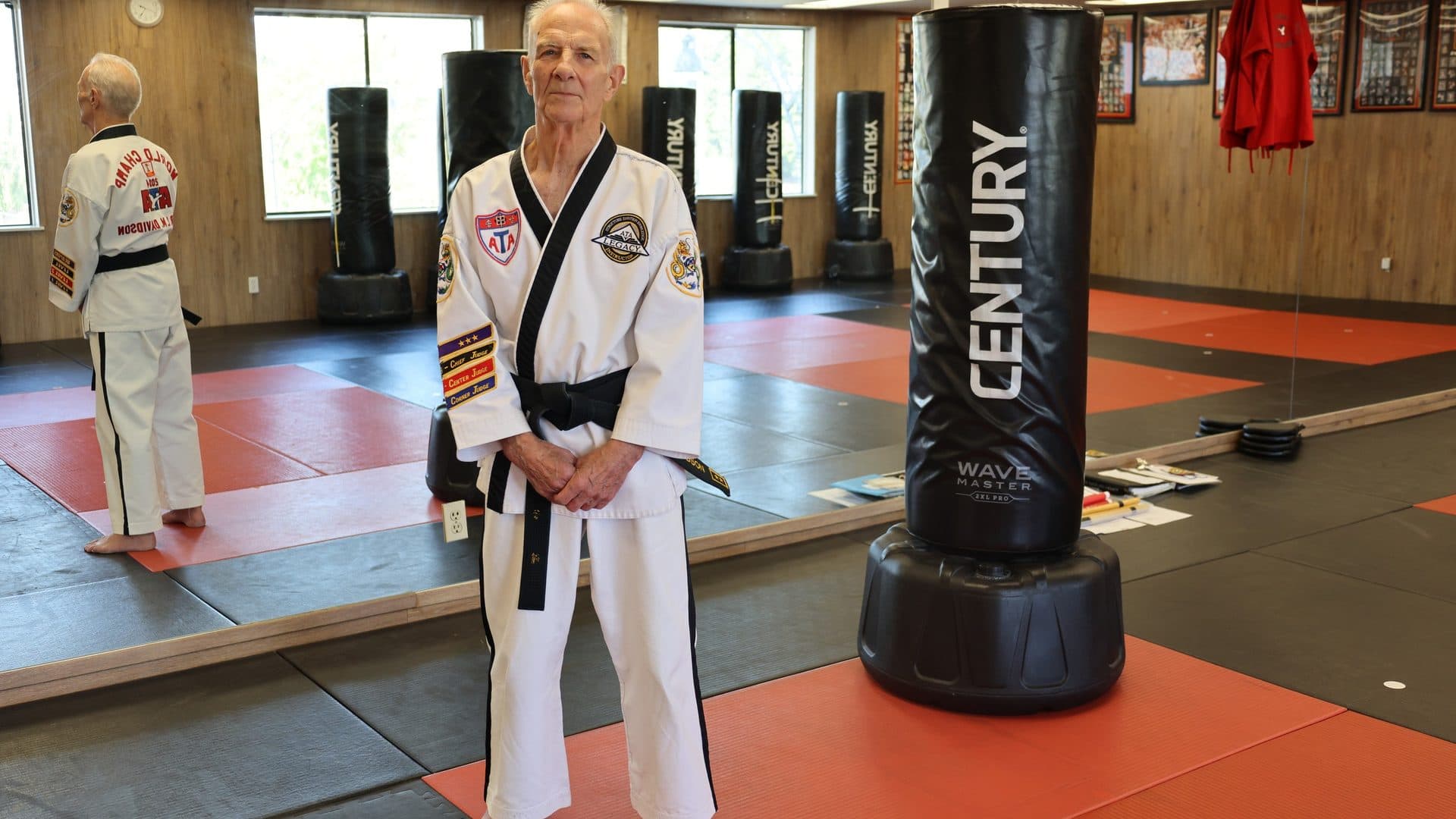
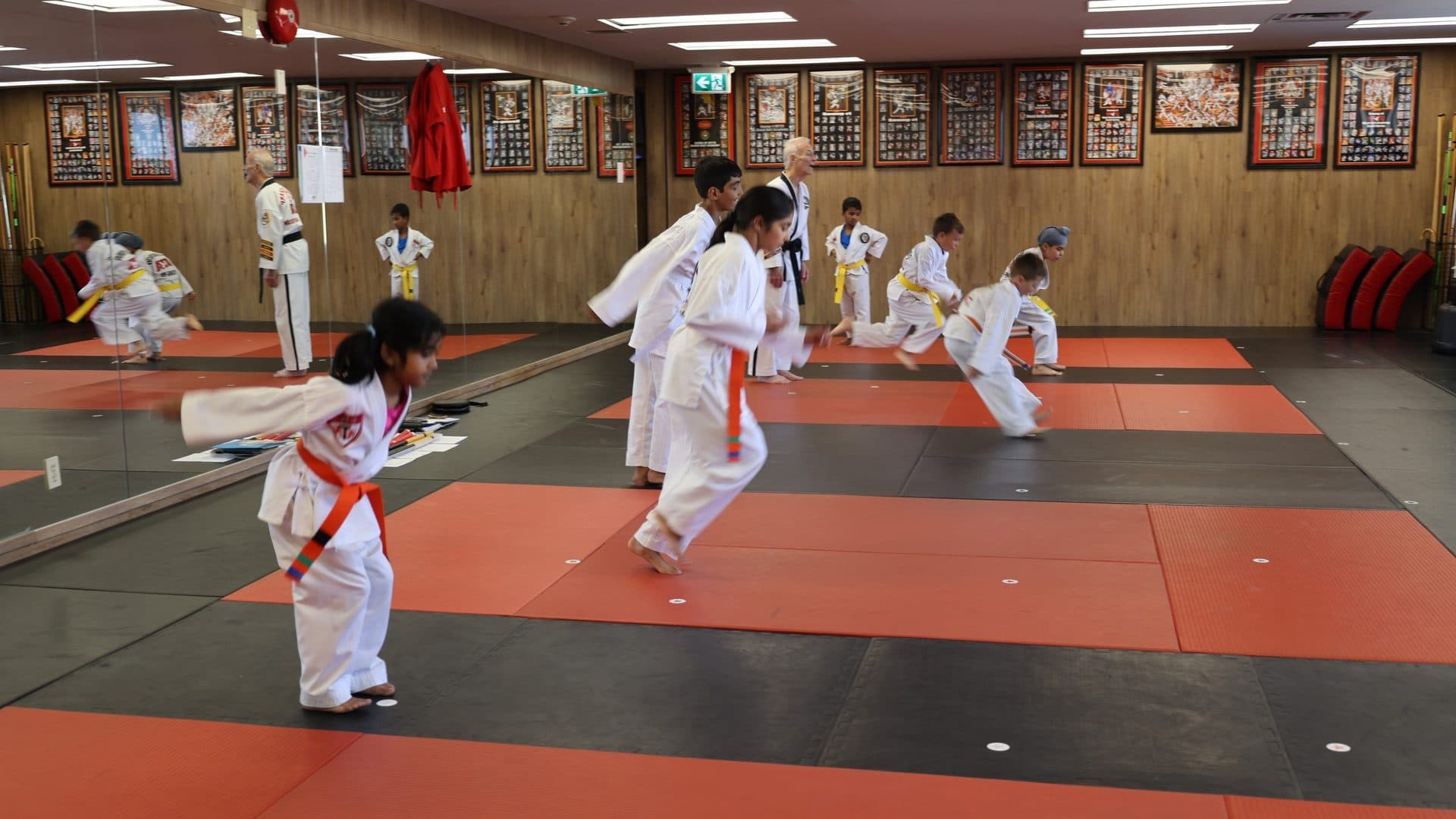
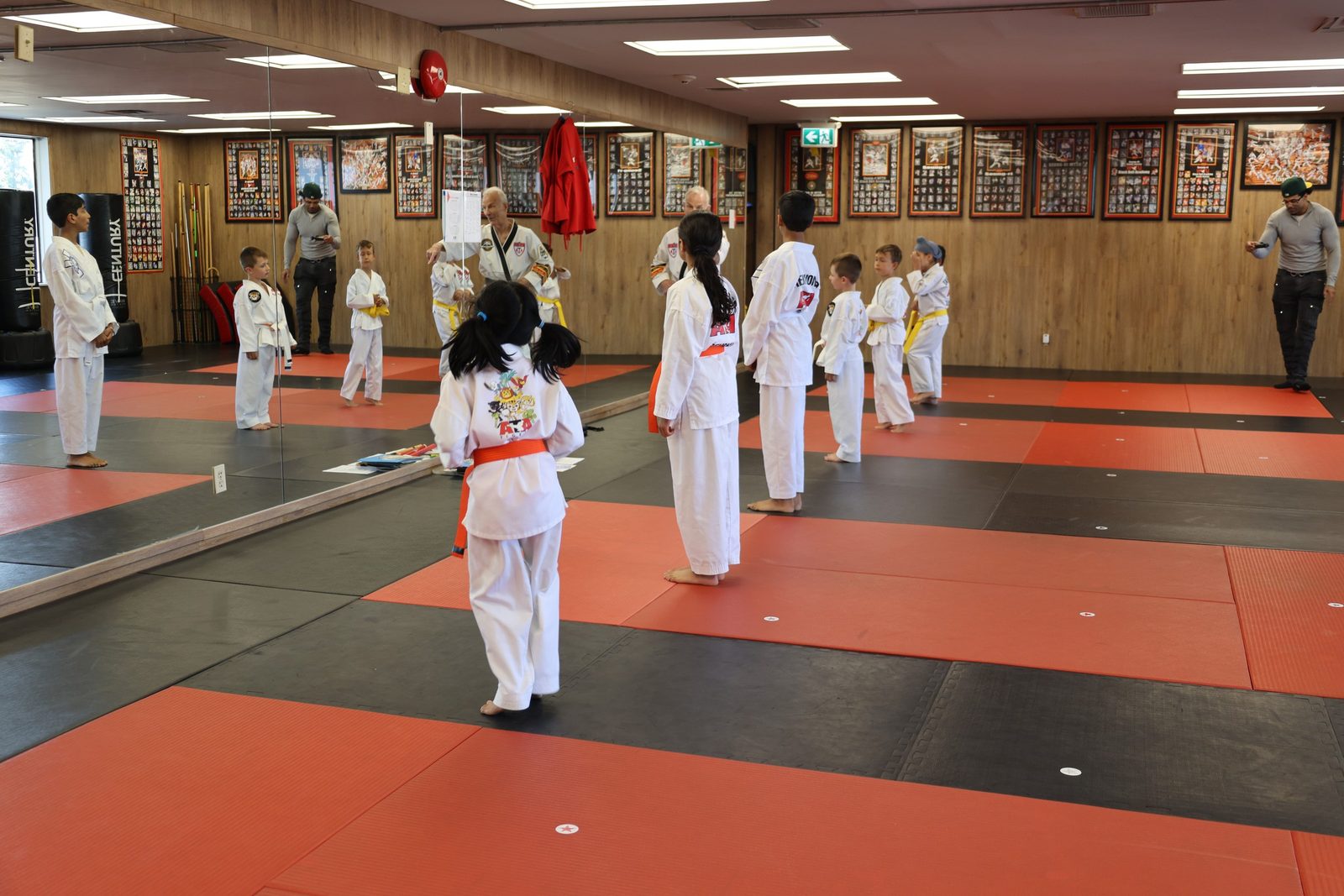
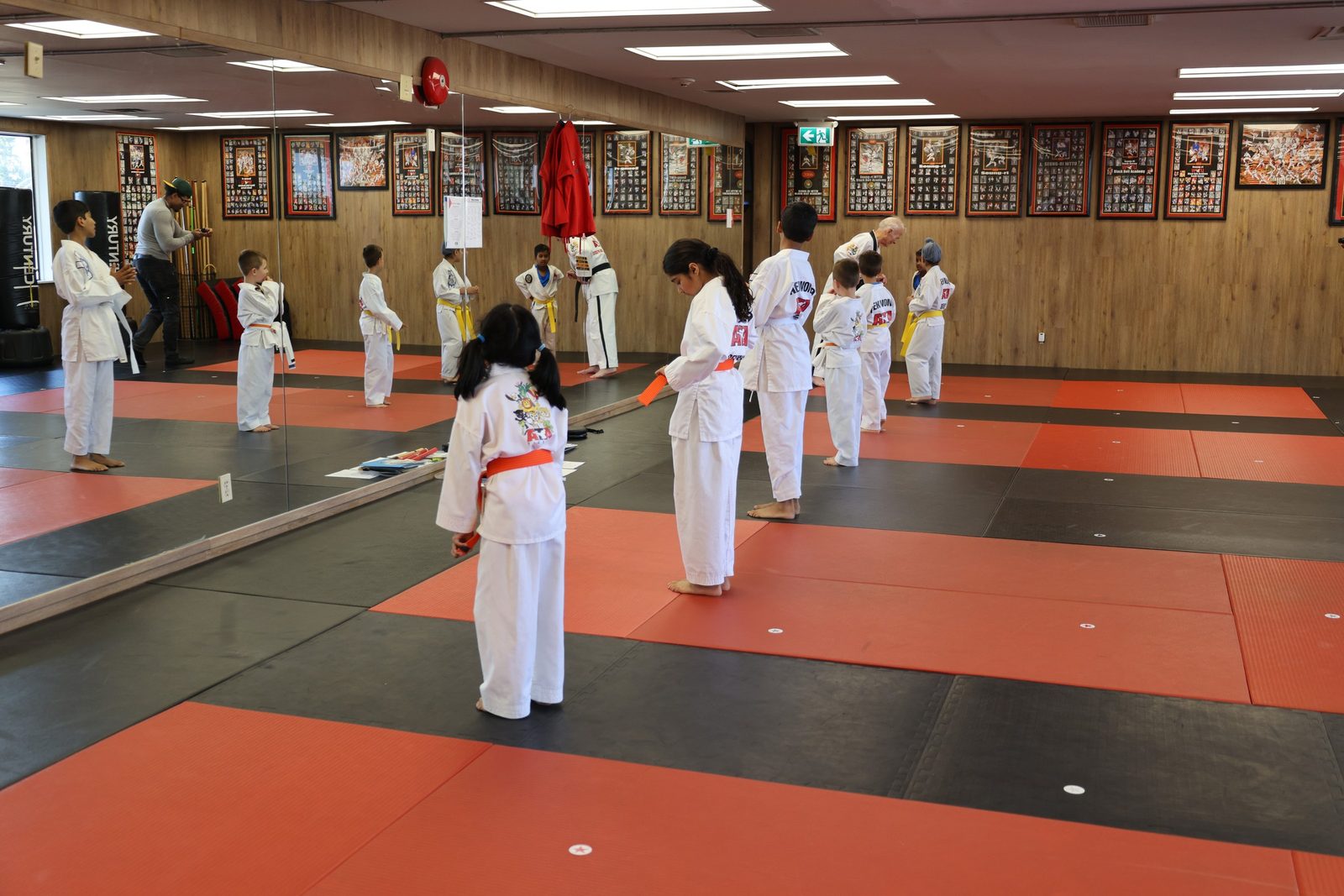
Our martial arts program is taekwondo, run with Seung-ri Academy at the same address, with coach Lorne Davidson. Kids martial arts classes start from 15:15, Monday to Friday, organized by age and belt level:
- Tigers, ages 4 to 6
- K4K Basic, ages 7 to 9
- Belt-level classes including Camo-Purple BBT and Blue-Red BBT, plus Junior Leadership, Black Belt, Leadership, Masters Club, Competition Class and Legacy
- Adult/Teen, ages 13 and up, weekday evenings at 18:30
Belt progression gives kids the visible, step-by-step goals that make after school programs South Surrey kids start actually stick. Every level is on our martial arts programs page, and our articles on taekwondo benefits for kids and how martial arts builds confidence in kids answer most parent questions about the style.
Junior Gloves boxing at 16:00
Junior Gloves is our kids boxing program for ages 6 to 12, Monday to Friday at 16:00. For many families that start time lands in the sweet spot described earlier: enough time after dismissal for a snack and the drive, and finished well before dinner. Among after school programs South Surrey parents shortlist, it suits energetic kids who like hitting things, and it works on coordination, footwork and fitness in a structured setting. Our guide to boxing classes around Surrey shows how boxing training progresses as kids get older.
Our coaching team includes Matt, the owner, Kenny, a strength trainer and boxer, Fabian, an athletic trainer and boxer, Spencer, an athletic trainer and boxer who also coaches kickboxing and Muay Thai, and Khaila, an athletic trainer who coaches fitness boxing. Kingdom Athletics brings 20+ years of experience and has trained 10K+ students.
One membership, so the schedule can flex
One flat monthly membership covers unlimited classes across all boxing and martial arts programs. For families the practical benefit is flexibility: if Tuesday falls apart because of a dentist appointment, Wednesday is still there, and a child who wants to try both taekwondo and Junior Gloves is covered by the same membership. We do not publish prices online, so call or use the contact page and we will walk you through it.
Parents and older teens
The weekday evening timetable also includes 17:00 Conditioning, 18:00 Technical Class and 19:00 Kickboxing for adults, plus the 18:30 Adult/Teen taekwondo class. A parent who wants to train can pick a class on a different day from their child’s, so the family’s activity shares the same drive.
See our guide to fitness classes in South Surrey and our kickboxing guide for Surrey for what those classes involve, and teens ready for more can read about teen martial arts in White Rock. The full weekly timetable is on our class schedule, with every program summarized on the classes page.
Sample Weekly Plans by Age
Three example weeks, not prescriptions, showing how classes, free play and rest can sit together.
| Day | Age 6 to 8 | Age 9 to 12 | Age 13 to 15 |
|---|---|---|---|
| Monday | Martial arts class after school | Junior Gloves at 16:00 | Team sport practice |
| Tuesday | Park or playground | Music lesson | Homework focus, walk or bike |
| Wednesday | Martial arts class after school | Taekwondo belt class | Adult/Teen taekwondo at 18:30 |
| Thursday | Swimming lesson | Free afternoon | Team sport practice |
| Friday | Free afternoon | Junior Gloves at 16:00 | Free, time with friends |
| Weekend | Family walk on the promenade | Game, ride or beach | Game or tournament |
Notice what is missing: five scheduled activities a week, late-evening classes for young children, or anything that makes dinner impossible. The after school programs South Surrey families stick with are the ones that leave room for the rest of life. If your teen is dealing with stress, our article on the mental health benefits of martial arts covers what the research does and does not show, and our piece on self defense classes in White Rock explains what realistic self defense training involves.
Frequently Asked Questions
How many after-school activities should my child do each week?
For most elementary-aged kids choosing after school programs South Surrey schedules allow, two or three structured activities a week is plenty, with one or two afternoons left open. Watch for overload: trouble sleeping, dreading activities they used to enjoy, or homework slipping. If you see those, drop something before adding anything.
Is one class a week enough to make a difference?
One class is a good start in the first month. For skill progress and a real contribution to the 60-minute daily target, two or three sessions a week work better, and that holds for most after school programs South Surrey offers.
Does Kingdom Athletics provide school pickup or after-school care?
No. We run classes only, with no pickup, child care, homework help, or supervision outside class times. Families needing full afternoon coverage usually combine licensed care with our classes.
What ages can start at Kingdom?
Taekwondo starts with Tigers at ages 4 to 6 and K4K Basic at ages 7 to 9, with belt-level classes above that and an Adult/Teen class for ages 13 and up. Junior Gloves boxing is for ages 6 to 12.
Is boxing safe for kids?
The Canadian Paediatric Society advises against boxing as a sport for children and teens because of deliberate head blows. The key question for any youth program is how much head contact is involved. Ask the coach about sparring and contact rules, and watch a class first.
How do I book a first class?
Get in touch through our contact page or call (778) 237-5905. Tell us your child’s age and which afternoons work, and we will suggest a class that fits.
Book a First Class and Put After School Programs South Surrey Offers to the Test
There is no perfect program, only a good fit. The best way to choose among after school programs South Surrey has available is the framework above: know the gap you are filling, map your real afternoons, test the commute, ask the hard safety questions, watch a class, and give it 12 weeks. The hours between school and dinner matter, and a few active sessions a week can move a child from mostly sitting to comfortably on track.
If Kingdom Athletics looks like a fit, see a class for yourself. Weekday taekwondo starts from 15:15 and Junior Gloves boxing runs at 16:00, Monday to Friday, at 1493 Johnston Road in uptown White Rock. Check the weekly timetable for a slot, then book your child’s first class or call (778) 237-5905. You can also start from our home page to see everything we offer.