Boxing for Teens White Rock: 7 Proven Truths Parents Should Know
November 5, 2026•22 min read•Boxing & Martial Arts, Youth Sports
If you are a teenager who wants to learn to throw a real jab, or a parent wondering whether that is a good idea, this guide is for both of you. Boxing for teens White Rock families ask about usually comes with two questions stacked on top of each other: will it make my kid fitter and more confident, and is it safe? Both deserve a straight answer, and we will give you one, including the parts that do not flatter our sport.
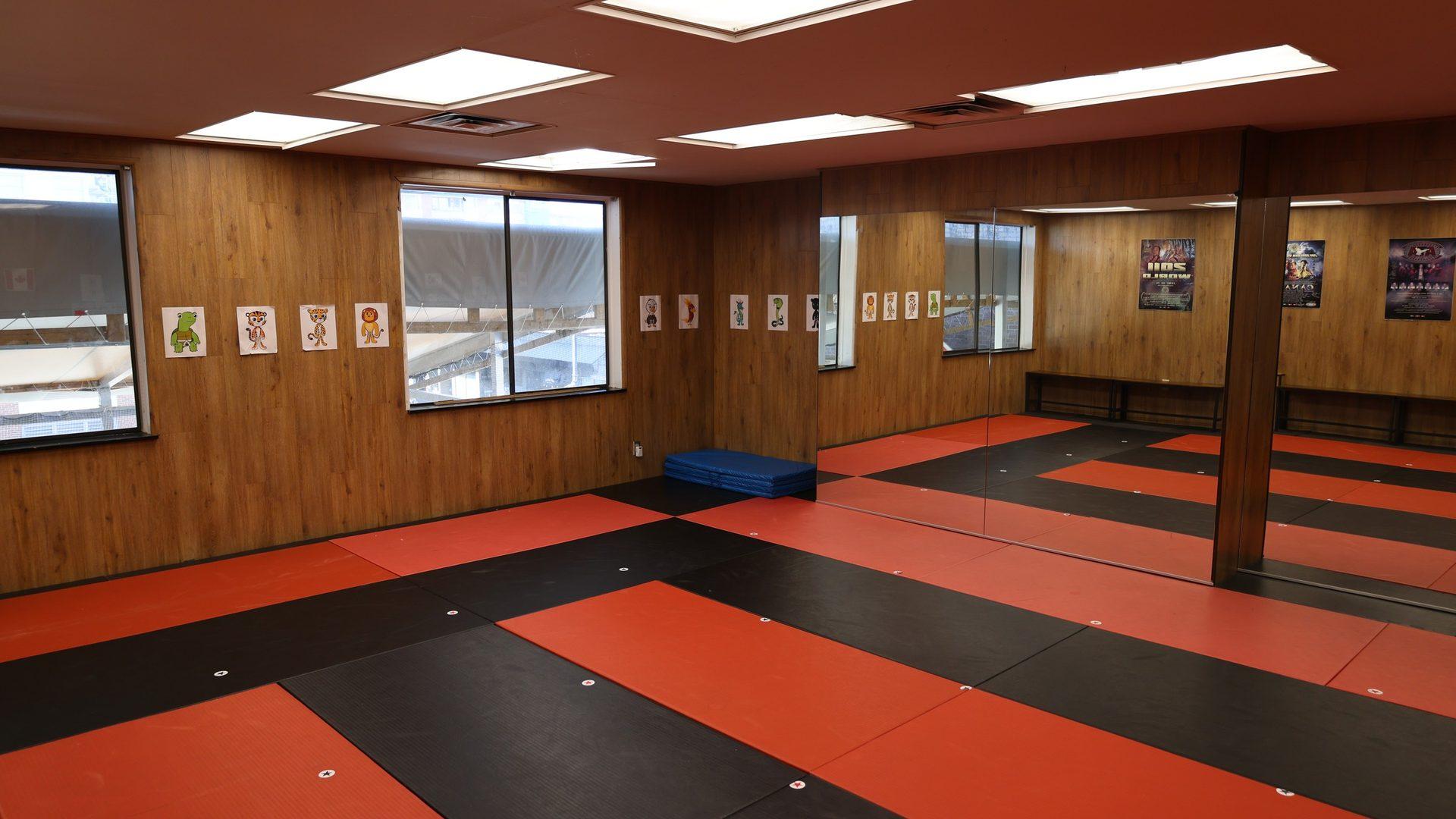
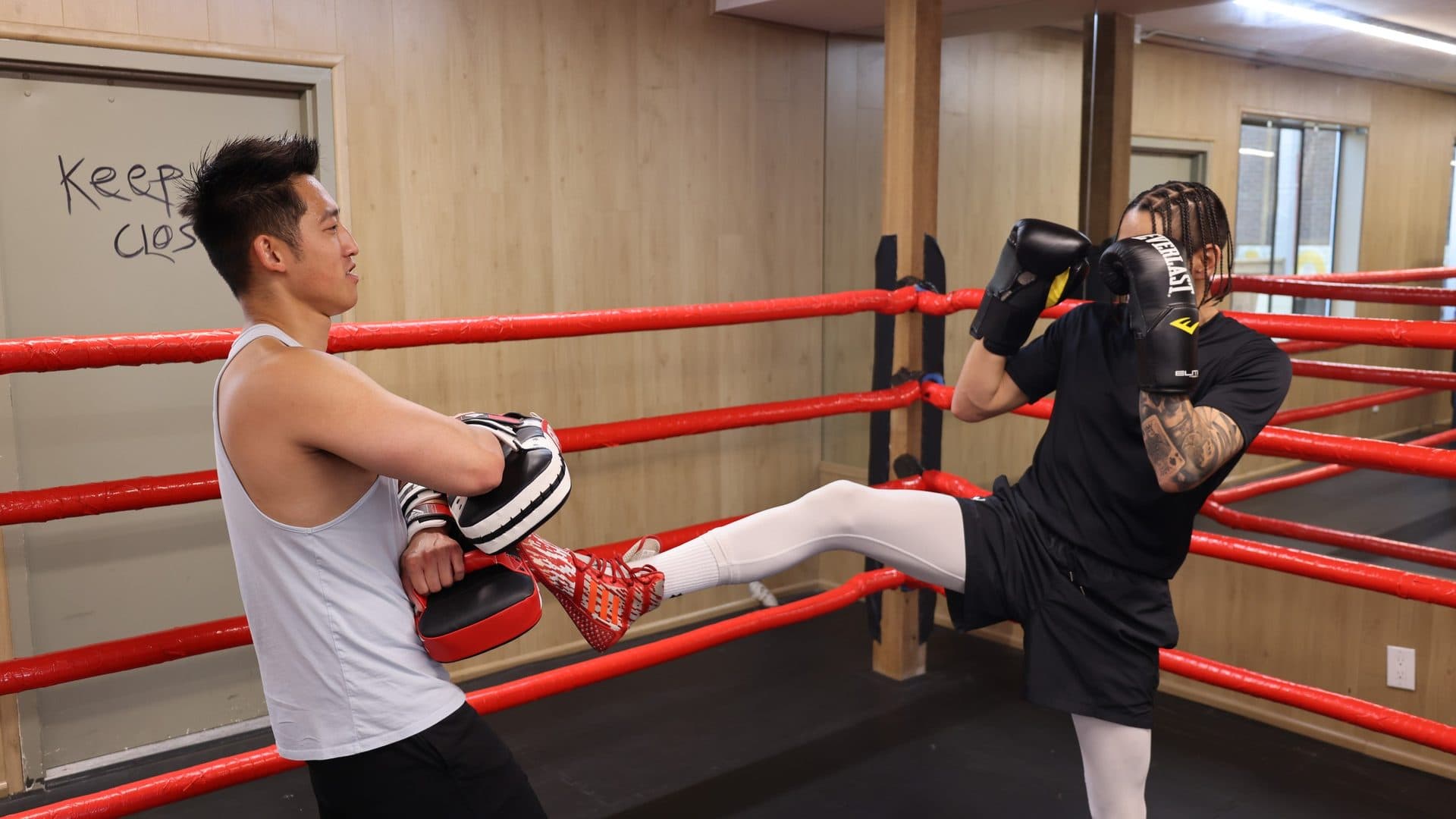
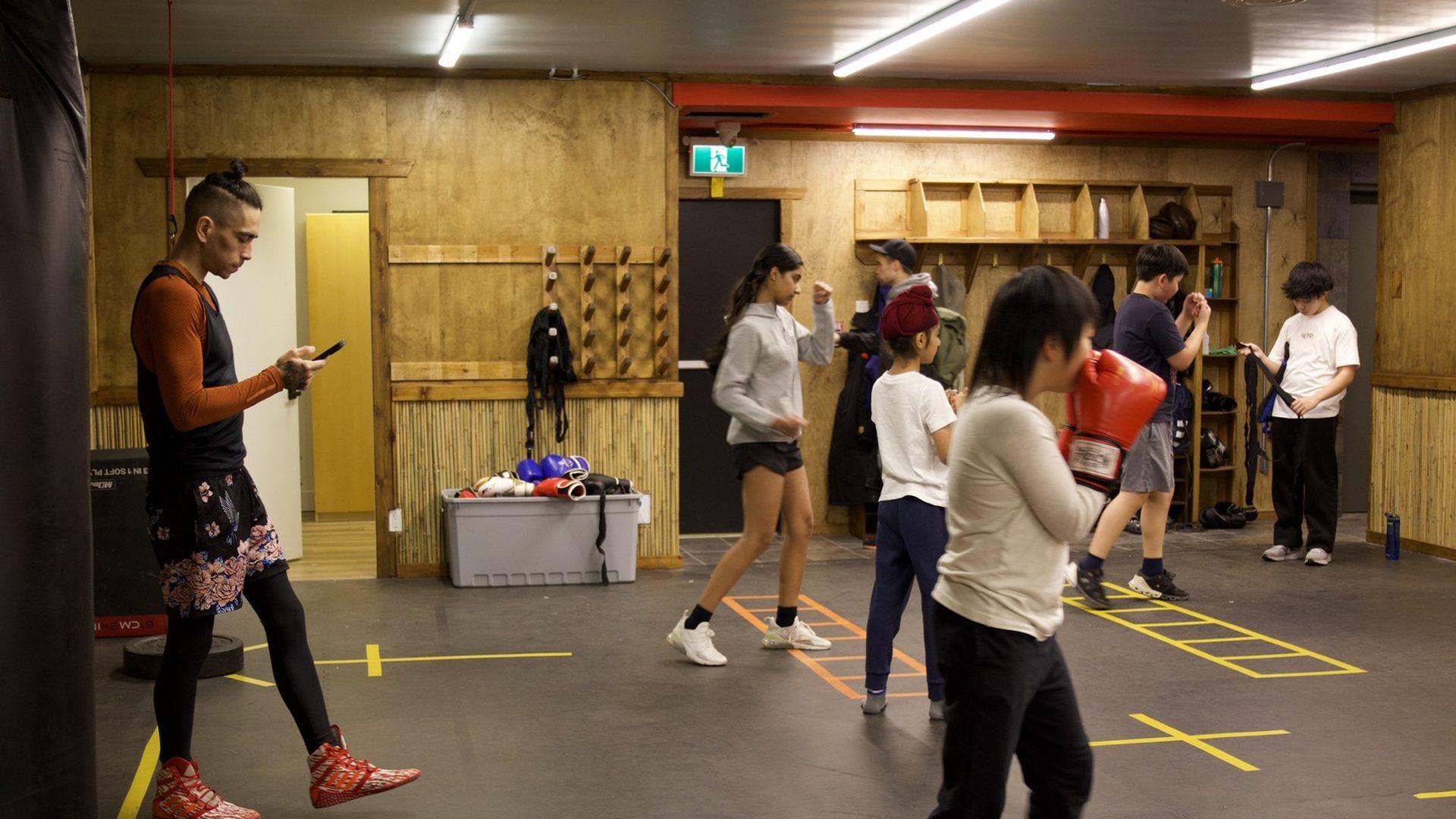
Kingdom Athletics sits at 1493 Johnston Road in uptown White Rock, with heavy bags, a boxing ring, mat space and mirrors, and coaches who have spent more than 20 years teaching over 10,000 students. We see teenagers arrive nervous, awkward and unsure, and we see what a few months of structured training does for them. We also know the medical community has real concerns about youth boxing, and we think you should hear those from us first.
This is not a sales pitch dressed up as advice. By the end you will know what the Canadian guidelines say teens need, what the Canadian Paediatric Society says about boxing, how skill training differs from competitive boxing, which classes a teen can actually take at our gym, how to fit training around school, and exactly what a sensible first 12 weeks looks like.
Boxing for Teens White Rock: Who This Guide Is For
This article is written for two readers at once. Teens aged 13 to 17 will find the practical parts: what a session feels like, drills to practise at home, how to get better without getting hurt. Parents will find the evidence, the safety picture and the questions worth asking any gym. Read it together if you can. Most of the good decisions we see about boxing for teens White Rock households make happen around a kitchen table, not in a lobby.
It also has a specific job. If your child is under 13, our guide to kids boxing classes in White Rock covers Junior Gloves, our program for ages 6 to 12. If your teen is drawn to belts, forms and kicking more than gloves, our piece on teen martial arts in White Rock goes deeper on taekwondo. This guide to boxing for teens White Rock families sits between them: the teenager who specifically wants to box, and the parent deciding how to say yes responsibly.
A quick word on how we use the word “boxing” here. For most teens who walk into our gym, boxing means learning to stand, move, punch correctly and condition hard, on bags, pads and in drills. It does not mean fighting. That distinction matters enormously, and the whole article leans on it.
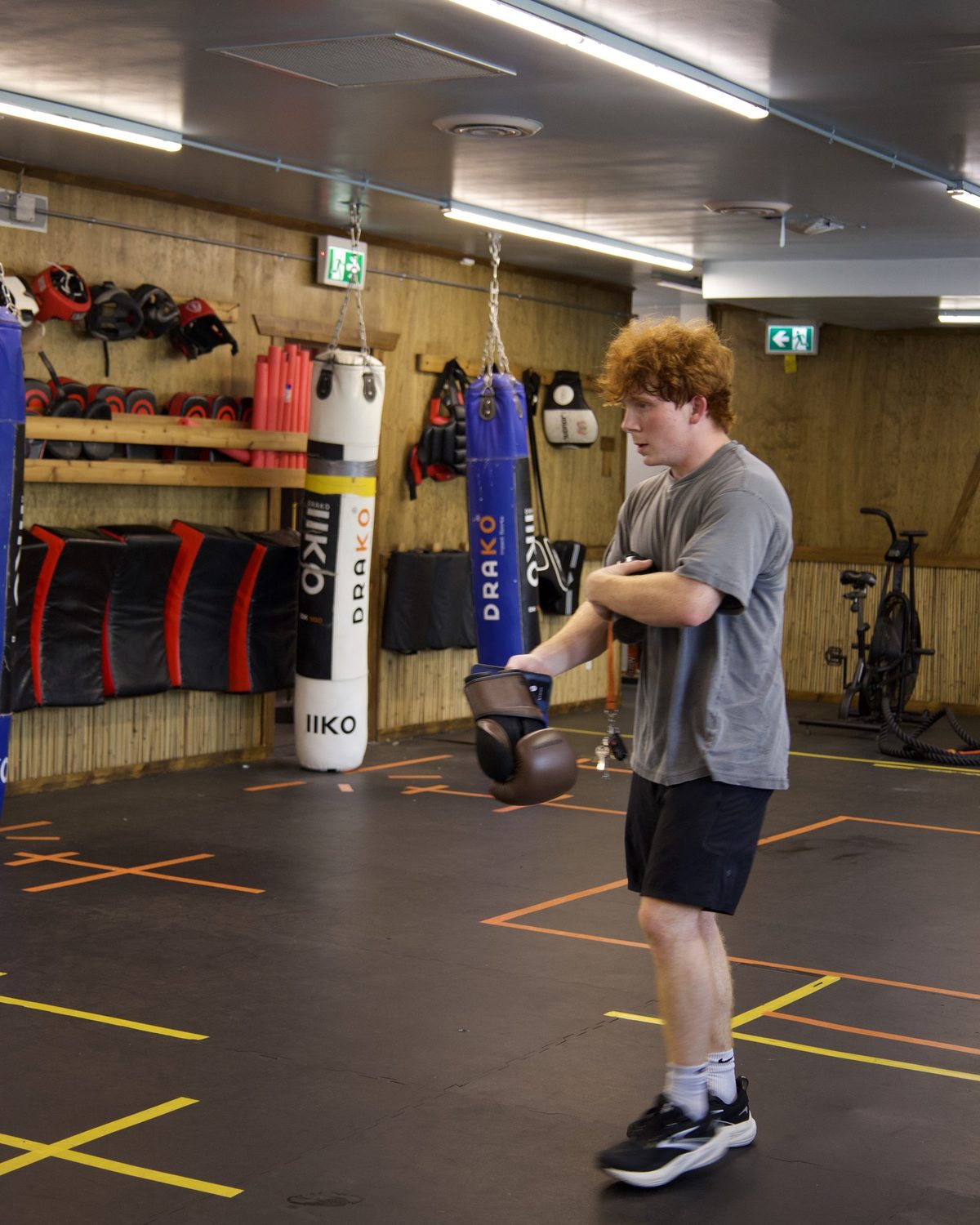
The Honest Safety Picture Comes First
The Canadian Paediatric Society, together with the American Academy of Pediatrics, states plainly that boxing is not an appropriate sport for children and teens. Their reasoning is direct: boxers are rewarded for deliberate hits to an opponent’s head, children’s brains are more vulnerable to concussion, recovery takes longer than it does for adults, and there is no evidence that head guards reduce concussions.
The full joint policy statement on boxing participation by children and adolescents asks physicians to oppose boxing as a sport for young people and to steer them toward activities where intentional blows to the head are not central. Our approach to boxing for teens White Rock families is built on respecting that, not arguing with it. A gym that brushes off a national paediatric body’s position is telling you something about how it will treat your teenager.
What the statement is about is the sport of boxing: bouts, scoring punches to the head, competition. It does not specifically address a teenager hitting a heavy bag, holding a stance in front of a mirror or skipping rope for three minutes. That is why we frame boxing for teens White Rock families ask us about as skill and fitness training, never as competitive boxing. The line between those two things is the most important thing a parent can understand.
There are also things we cannot promise in an article. Whether any specific class includes partner contact, and how it is supervised, is something you should ask our coaches directly, in person, for your teen’s age and level. The only class on our timetable labelled as sparring is Saturday Light Sparring at 10:00 am and 11:00 am. Given the paediatric position above, that is a conversation to have carefully, with coaches and with your family doctor, not a default next step.
Skill-Focused Training vs Competitive Boxing
Parents often picture a ring, headgear and a referee. For the vast majority of teenagers training at a fitness and skills gym, the reality looks far more like athletic conditioning with a technical craft attached. The table below lays out how boxing for teens White Rock families see at a fitness gym differs from the competitive sport.
| Feature | Skill and fitness training | Competitive boxing |
|---|---|---|
| Main goal | Technique, fitness, coordination, confidence | Winning scored bouts |
| Main targets | Heavy bags, focus pads, shadowboxing, drills | An opponent’s head and body |
| Measure of progress | Cleaner technique, better conditioning, consistency | Results, rankings, selection |
| Governing structure | The gym’s own coaching standards | Chartered clubs, registered coaches, sanctioned events |
| Head contact | Not the point of training; ask coaches about any partner work | Central to scoring |
| Who decides next steps | Teen, parents and coaches together | Club, coach, officials and medical staff |
In British Columbia, amateur competition runs through Boxing BC’s chartered club system, which requires registered coaches, criminal record checks and a facility inspection before a club can take part in sanctioned boxing. If a teenager ever wants to compete, that is a separate path with its own rules, and one we would want the family, a doctor and the coaching team to think through slowly. It is not what this guide is recommending.
For almost every family weighing boxing for teens White Rock gyms offer, the skill route delivers what the teenager is really after: they want to feel strong, look like they know what they are doing, and have somewhere to put the stress of being fifteen. None of that requires getting hit.
What the Canadian Guidelines Say Teens Actually Need
Before deciding whether boxing for teens White Rock gyms offer is a good fit, it helps to know the target. The Canadian 24-Hour Movement Guidelines for Children and Youth ask for at least 60 minutes a day of moderate to vigorous activity, with vigorous activity and muscle and bone strengthening each on at least three days a week. They also recommend 8 to 10 hours of sleep a night for ages 14 to 17, and no more than 2 hours of recreational screen time a day.
The Public Health Agency of Canada’s physical activity tips for youth aged 12 to 17 say the same thing in teen-friendly language, and list benefits worth reading out loud at home: better concentration, improved self-esteem, reduced stress, stronger bones and muscles, and doing better at school.
Here is the uncomfortable part. Statistics Canada’s accelerometer data shows that between 2022 and 2024, only 33 percent of males and 8 percent of females aged 12 to 17 met the physical activity recommendation, down from 50 percent and 21 percent in 2018 to 2019. Youth averaged 10.6 hours a day sedentary, and only 28 percent met the screen time guideline.
Globally the picture is similar. The World Health Organization reports that 81 percent of adolescents aged 11 to 17 were physically inactive, with girls less active than boys. So when a teenager asks to do something physically demanding three times a week, that request is worth taking seriously, whether that ends up being boxing for teens White Rock gyms offer or another sport entirely.
7 Proven Truths About Boxing for Teens White Rock Parents Should Know
These are the benefits we see most consistently when teens train for skill and fitness. None of them are guaranteed, and none of them are medical outcomes. They are patterns, backed where possible by research, that explain why so many families keep coming back to boxing for teens White Rock gyms can offer.
1. It builds a genuine aerobic and anaerobic engine
Skill-focused boxing for teens White Rock coaches run is built in rounds: typically three minutes of work and a short rest, repeated. That structure alternates hard efforts with recovery, which hits both the steady fitness and the repeat-sprint fitness teenagers need for almost every other sport. A teen who does three minutes of honest bag work has done vigorous activity by any definition in the guidelines, and they know it.
2. It covers the strength and bone-loading box
SickKids’ guidance on physical activity for children and teens lists jumping rope and bodyweight or hand-held weight training as good muscle and bone strengthening options. A typical boxing session includes skipping, push-ups, squats, lunges and core work, so a teen training three times a week is quietly ticking the strengthening requirement without a separate gym routine.
3. It gives stress somewhere to go
The World Health Organization notes that one in seven 10 to 19 year olds experiences a mental disorder, and lists regular exercise and healthy sleep among the habits that protect adolescent wellbeing. Hitting a bag after a bad day at school is not therapy, but it is a remarkably effective reset, and many teens find it helps.
The research backs up the general idea. A systematic review of meta-analyses on exercise and depression in young people found small to medium but consistently positive effects on depressive symptoms, with no negative side effects reported. Another review of physical activity and depressive symptoms in youth found that programs of three sessions a week, lasting under 12 weeks, produced greater reductions. That is part of why our plan later in this guide is three sessions a week for 12 weeks.
If a teen is struggling, training is a support, not a substitute for real help. For more on this, read our piece on the mental health benefits of martial arts training, and keep Kids Help Phone’s advice on what to do when you feel overwhelmed close by. You can text CONNECT to 686868 or call 1-800-668-6868 any time.
4. Confidence gets earned, not handed out
Teenagers are experts at spotting fake praise. The confidence that comes from boxing for teens White Rock gyms teach is different because it is measurable. In week one your jab is slow and your feet cross. By week eight you can throw a clean one-two, pivot out and reset your guard without thinking. Nobody has to tell you that you improved. You can feel it, and so can everyone watching you in the mirror.
5. Structure that school does not always provide
A boxing class has a start time, a warm-up, a technical block, rounds and a cool-down. Coaches expect you to wrap your hands properly, listen, and put equipment back. For a teenager whose week can feel chaotic, that predictability is calming. For a parent, it is a couple of hours a week where the phone goes in a bag and someone else is setting clear expectations.
6. Coordination, focus and reaction time
Throwing a combination while moving your feet, keeping your hands up and breathing properly is a serious coordination task. Pad work adds reading a coach’s cues in real time. Teens who come from team sports often notice their footwork and hand-eye timing improve elsewhere too. Those crossovers are exactly why boxing drills show up in so many athletes’ training plans.
7. Belonging, and adults who are not parents or teachers
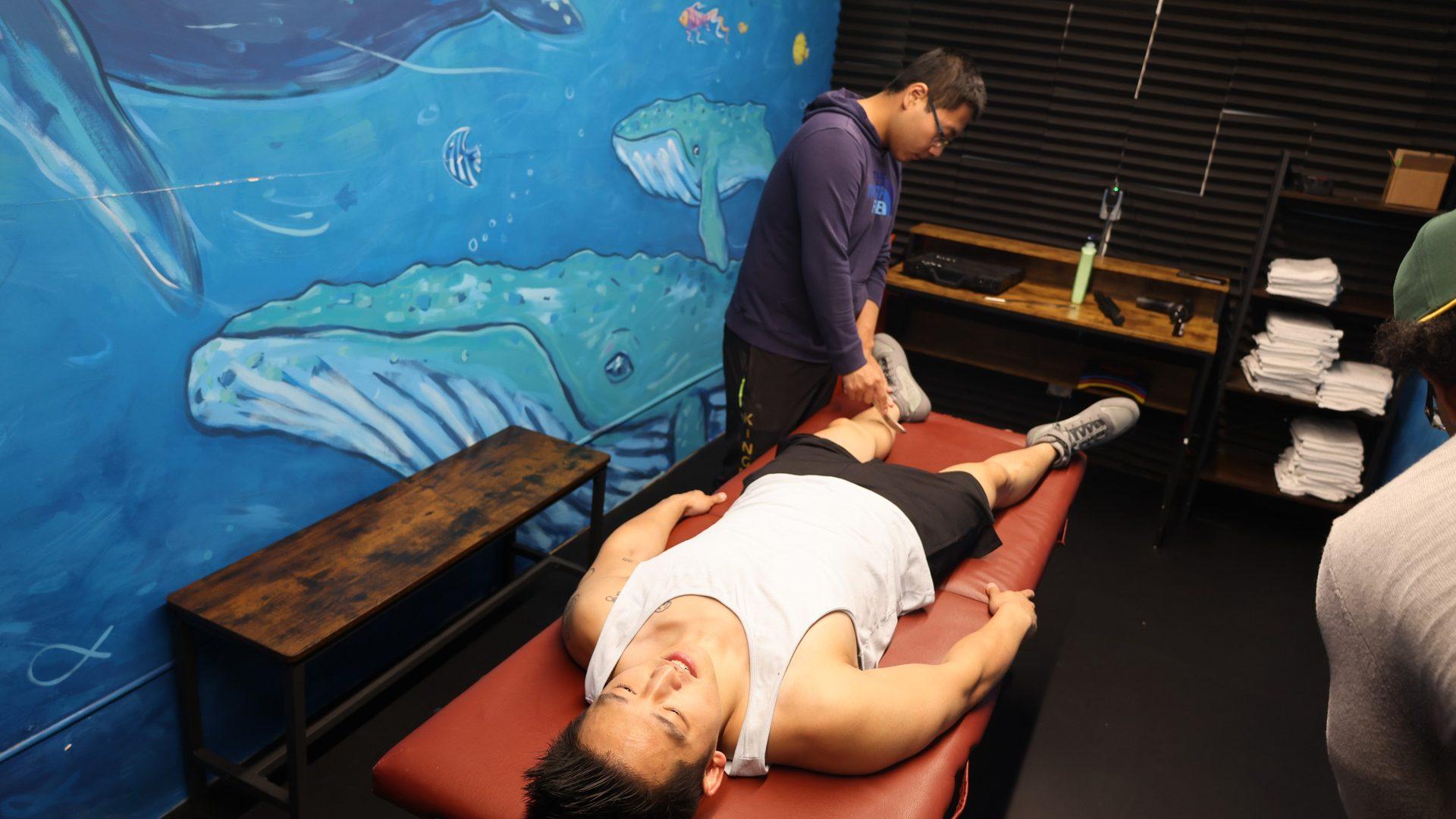
Many teens do not fit neatly into school teams. A gym gives them a different peer group and coaches who treat them as athletes. Our team includes Matt, the owner; Kenny, a strength trainer and boxer; Spencer, an athletic trainer who coaches boxing, kickboxing and Muay Thai; Fabian, an athletic trainer and boxer; Arion, an athletic trainer and strength coach; and Khaila, an athletic trainer who teaches fitness boxing. You can read more about what drives the gym on our mission page.
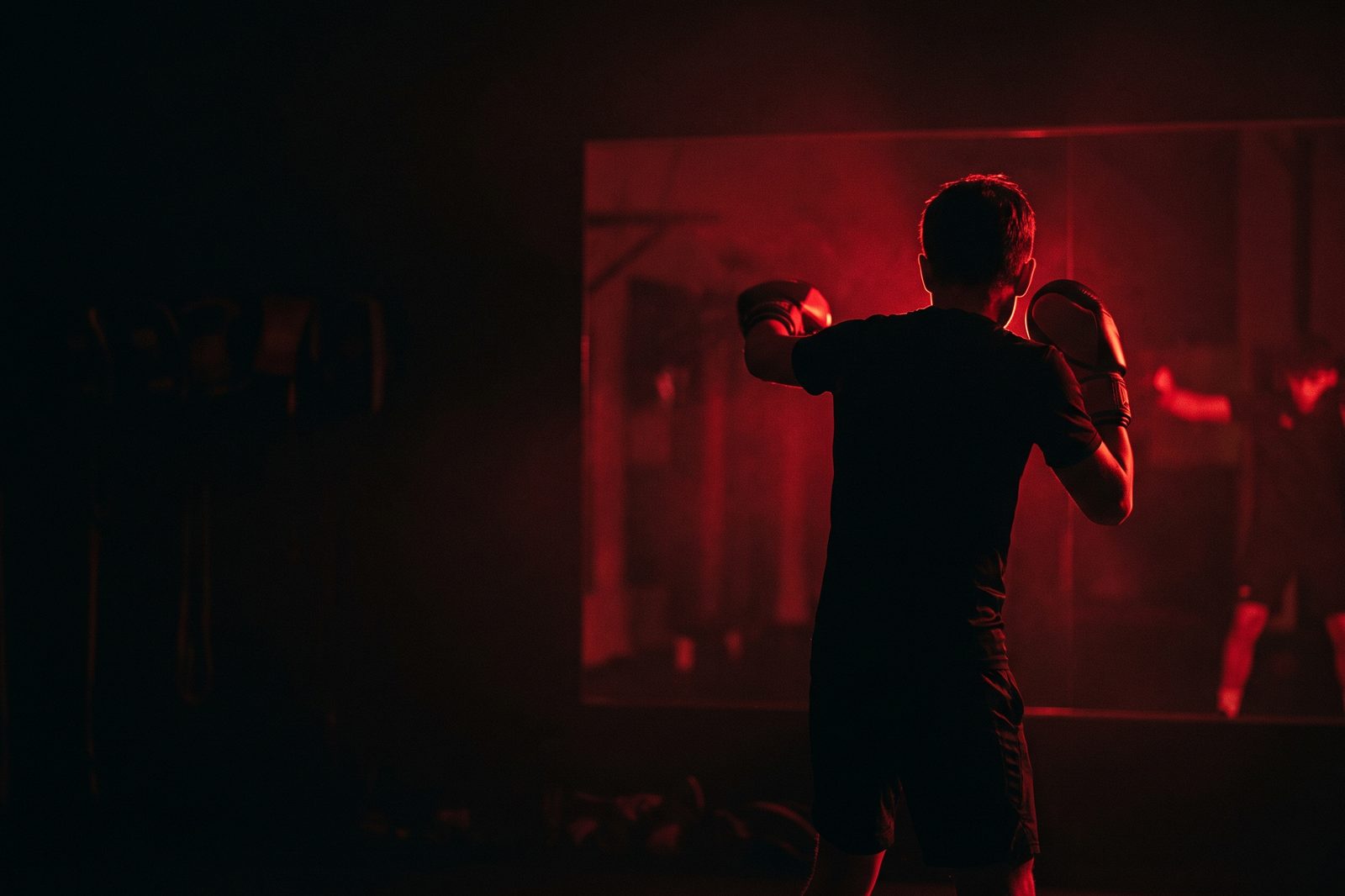
Concussion Awareness: What Teens and Parents Must Know
Any honest guide to boxing for teens White Rock parents read has to include concussion, even when training is skill focused. Teens also play rugby, soccer, hockey and basketball, fall off skateboards and collide in PE. Knowing the signs is a life skill, not just a boxing skill.
Parachute, Canada’s national injury prevention charity, has an excellent concussion resource hub for families. HealthLink BC’s concussion information page lists common symptoms including:
- Headache, fatigue or nausea
- Imbalance or dizziness
- Sensitivity to light and sound
- Trouble thinking, concentrating or remembering
- Sleep disturbances
- Emotional changes, such as irritability or feeling low
HealthLink BC notes that symptoms can appear immediately or take several days to show up. That delay is why a teen who “feels fine” after a knock should still be watched and should tell an adult. If something seems wrong, call 8-1-1 to speak with a nurse, and call 9-1-1 in an emergency.
The Canadian Guideline on Concussion in Sport is written for athletes, parents, coaches and trainers. It sets out that a diagnosed concussion should come with a medical assessment letter, and that athletes need a medical clearance letter from a doctor or nurse practitioner before returning to full contact practice. Any sport your teen plays should follow that standard.
British Columbia also offers the Concussion Awareness Training Tool, an online education program with separate modules for parents, coaches, school staff and student athletes. We genuinely recommend that parent and teen each do their module. It takes an evening and it pays off across every sport your family plays.
Three rules we would want every teen boxer to live by:
- If you take a knock to the head in any activity, stop and tell a coach or parent. Do not finish the round.
- If you have had a concussion, do not return to training until you have medical clearance, and tell your coach.
- If a drill or partner makes you uncomfortable, step out. A good coach will always back that decision.
Which Kingdom Classes Can Teens Actually Take?
This is where we are careful about boxing for teens White Rock parents ask us about, because the answer depends on age and experience, and we would rather under-promise. Here is what is known and published on our weekly class timetable.
Martial arts: the Adult/Teen taekwondo class is for ages 13 and up and runs weekday evenings at 6:30 pm. It is run with Seung-ri Academy at the same address, with belt progression and a focus on kicking, forms and discipline. If your teen is open to martial arts generally, this is the clearest, age-defined option. Details are on our martial arts programs page, and our sibling post on taekwondo in White Rock explains how the belt system works.
Kids boxing: Junior Gloves at 4:00 pm on weekdays is our boxing program for ages 6 to 12. A 13 year old has aged out of it, so it is not the answer for teens.
Boxing classes: the weekday boxing timetable runs Boxing at 12:00 pm, Conditioning at 5:00 pm, the Technical Class at 6:00 pm and Kickboxing at 7:00 pm, with Light Sparring on Saturdays at 10:00 am and 11:00 am. We do not run a separate teen boxing class. Teens and their parents should ask our coaches which boxing classes suit the teen’s age and level. That conversation is the right starting point for anyone looking into boxing for teens White Rock has on offer.
To prepare for that conversation, it helps to know what each class is about. Conditioning Boxing is built around fitness rounds on bags and bodyweight work. Technical Boxing focuses on stance, footwork, defence and clean punch mechanics. Kickboxing adds kicks, knees and combinations for all levels. You can browse every class we offer in one place.
When you visit, bring your teen and let them ask questions themselves. How the coach answers a fourteen year old tells you more than any website can.
What a Skill-Focused Session Looks Like, Minute by Minute
Teens always want to know what boxing for teens White Rock classes actually involve before they walk in. Every coach runs a class slightly differently, but a skill and fitness session generally follows a shape like this one.
| Time | Block | What you actually do |
|---|---|---|
| 0 to 5 min | Arrive and wrap | Wrap hands, get water, find a bag |
| 5 to 15 min | Warm-up | Skipping, mobility, light shadowboxing |
| 15 to 30 min | Technique | One skill taught in detail, practised slowly in front of mirrors |
| 30 to 45 min | Bag or pad rounds | Three-minute rounds applying the skill with more speed |
| 45 to 55 min | Conditioning | Core, push-ups, squats, short finishers |
| 55 to 60 min | Cool-down | Stretching, breathing, unwrap, questions |
Notice how much of that hour is spent learning and moving, and how none of it involves being hit. For teens, the technique block is where the real value sits. A coach watching your feet and fixing your elbow position is doing something no app or video can.
If you want to walk in prepared, our list of things nobody tells you before your first boxing class is short and genuinely useful, and our complete intro to beginner boxing explains the basic stance and punches in plain language.
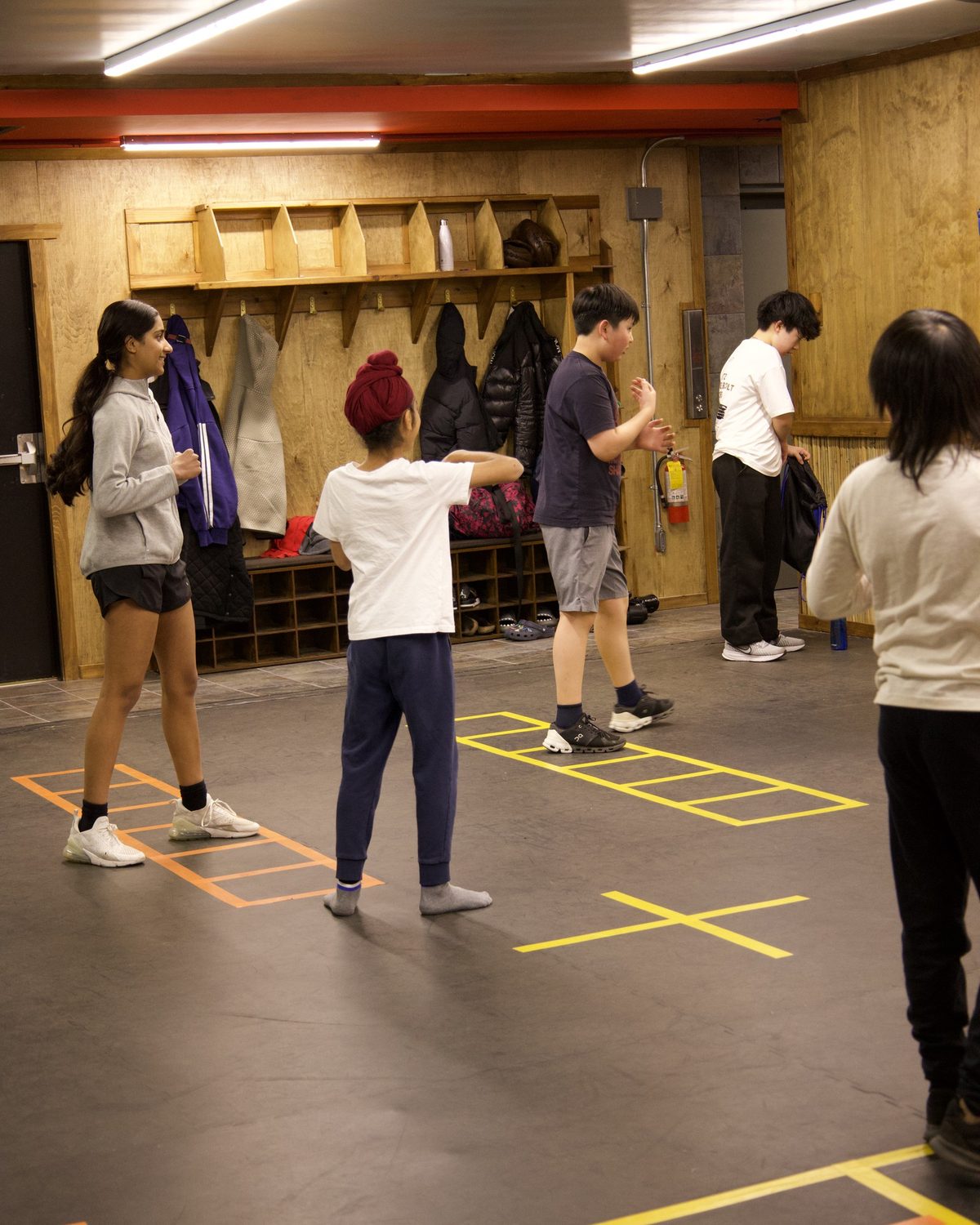
For Teens: How to Actually Get Good
This section is written straight to you. Getting good at boxing is not about hitting hard. It is about doing simple things correctly thousands of times. Here are five drills you can practise at home with no equipment except a mirror and some floor space.
- Stance holds. Stand in your boxing stance for two minutes: feet shoulder width, lead foot forward, knees soft, chin down, hands at your cheekbones. Check the mirror. Do three rounds.
- Step and drag. Move forward, back, left and right without crossing your feet. The foot nearest the direction moves first. Two minutes each direction.
- Slow jabs. Throw 50 jabs in slow motion, turning the fist over at the end and snapping it back to your face. Speed comes later.
- Shadowboxing rounds. Three rounds of three minutes, throwing only the punches you have been taught, moving your feet and keeping your guard up.
- Skipping. Even five minutes a day improves rhythm and calf strength. If you do not own a rope, jog on the spot with light, quick feet.
A few habits separate teens who thrive in boxing for teens White Rock classes from teens who quit. Show up on the days you do not feel like it. Ask one question every class. Film yourself shadowboxing once a month and compare. And be patient with conditioning: your lungs will catch up to your enthusiasm in about four to six weeks.
Buy gear only when a coach tells you what you need. Our beginner boxing glove buying guide explains sizing and what to skip, and learning to wrap your hands properly is one of the first things a coach will teach you.
If you already play another sport, boxing fits well alongside it. Basketball and football players often use it for footwork and conditioning, and our posts on youth basketball training and HIIT classes in White Rock show how interval work carries across sports.
For Parents: Questions to Ask Any Gym
Whether you choose us or somewhere else, these are the questions we would ask if we were in your position looking at boxing for teens White Rock and South Surrey gyms offer. A good gym will answer every one without hesitation.
- Which classes do you recommend for my teen’s age and experience, and why?
- Is there any partner contact in those classes, and if so, how is it supervised and when is it introduced?
- How do you respond to a suspected concussion, and do you require medical clearance before return?
- How do coaches handle a teen training alongside adults?
- Can I watch a class before my teen joins?
- What should my teen bring to the first session?
- How do you communicate with parents if something comes up?
Our general guide to choosing a boxing gym in South Surrey covers the facility and coaching side in more depth. For partner work specifically, our article on sparring rules for beginners was written for adults, but it shows how seriously contact should be approached at any age.
One more thing for parents: when you judge how boxing for teens White Rock training is going, watch your teen’s energy and mood, not just their technique. A teen who comes home tired but happy is on the right track. A teen who seems anxious before every class needs a conversation, and possibly a different class or a different activity. The goal is a habit that lasts.
Balancing School, Sport and Sleep
Teen schedules in White Rock and South Surrey are packed: homework, part-time jobs, school teams, music, and the commute between them. Boxing for teens White Rock families commit to only works long term if it fits. The good news is that three sessions a week is enough to see real progress, and more is not always better.
BC’s own school curriculum makes the case for variety. The Grade 10 Physical and Health Education big ideas state that trying a variety of physical activities increases the likelihood of being active throughout life, and that personal fitness can be maintained and improved through regular participation. Boxing is a good piece of that variety, not a replacement for everything else.
Sleep is where teens most often come unstuck. The guidelines ask for 8 to 10 hours a night for ages 14 to 17, with consistent bed and wake-up times. A 7:00 pm class that ends with a big meal and a phone until midnight undoes a lot of good work. Earlier classes, a set wind-down and devices out of the bedroom are worth more than an extra round.
Practical ways families make it work:
- Pick two fixed weekday slots and one flexible one, so training becomes routine, not negotiation.
- During exam weeks, drop to two sessions rather than stopping completely. The stress relief is useful then.
- If your teen plays a school sport, avoid stacking a hard boxing session the night before a game.
- Pack a snack and water bottle so after-school sessions are not done on an empty stomach.
- Keep one full rest day a week with no organised training.
If you are also juggling younger siblings, our parent guide to after school programs in South Surrey helps you plan a whole family’s week. Parents who want to train too often end up in boxing conditioning in White Rock themselves.
A 12-Week Plan for Boxing for Teens White Rock Beginners
This boxing for teens White Rock plan assumes three sessions a week, which lines up with what the research above found works well for mood, and with the three vigorous and three strengthening days the Canadian guidelines ask for. Two sessions are coached classes that our coaches have agreed suit the teen. The third can be a class or a home session using the drills above.
| Weeks | Focus | Sessions | What success looks like |
|---|---|---|---|
| 1 to 2 | Stance, guard, footwork, hand wrapping | 2 coached, 1 home | Can wrap hands and hold a stance for a full round |
| 3 to 4 | Jab and cross mechanics, breathing | 2 coached, 1 home | Clean one-two on the bag without dropping hands |
| 5 to 6 | Hooks, pivots, basic defence movements | 2 coached, 1 home | Three-punch combinations with a step out |
| 7 to 8 | Pad work rhythm, conditioning rounds | 3 coached or 2 plus 1 home | Finishes six rounds with good form |
| 9 to 10 | Combinations on the move, core strength | 3 sessions | Moves and punches together smoothly |
| 11 to 12 | Review, film and set new goals | 3 sessions | Visible improvement on video, clear next goal |
Weeks 1 and 2 feel slow on purpose. You are learning to stand and move before you hit anything hard. Most teens want to skip this part, and most teens who skip it develop habits that take months to fix. Ask the coach to check your stance every session.
Weeks 3 and 4 introduce the straight punches properly. The jab is the most important punch in boxing, and the cross is where power comes from the back foot and hip, not the arm. Expect sore shoulders and a lot of feedback. Both mean it is working.
Weeks 5 and 6 add hooks and pivots. Defensive movement starts here too, practised as footwork and head movement drills without a partner hitting you. This is also usually when conditioning starts to click, and rounds feel less brutal.
Weeks 7 and 8 are about rhythm. Pad work with a coach teaches you to respond to cues. This is the right time to add a third coached session if the schedule allows, because the jump in skill between weeks 6 and 10 is usually the biggest of the whole plan.
Weeks 9 and 10 combine everything: punching while moving, recovering your guard, and staying composed when tired. Core strength matters more now, because a stable trunk makes punches cleaner. Our guide to strength training in White Rock explains the fundamentals our coaches build on.
Weeks 11 and 12 are review. Film a shadowboxing round and compare it with one from week 2. Sit down with a coach and set the next goal, whether that is more technical work, adding kickboxing classes in White Rock, or trying taekwondo. Parents, this is a good moment to check in on mood, sleep and school as well as technique.
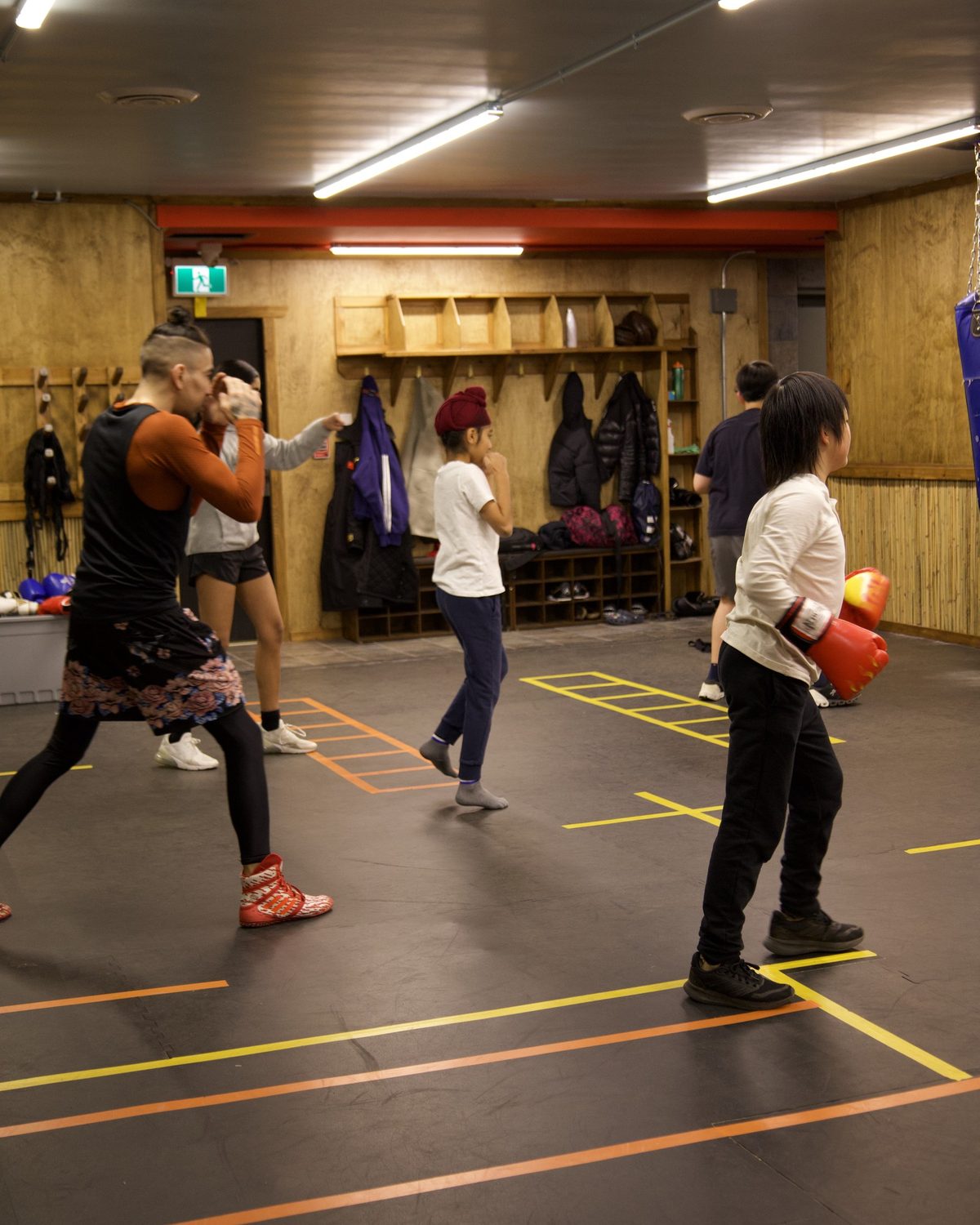
Getting to the Gym From Around the Peninsula
We are on Johnston Road in uptown White Rock, which puts boxing for teens White Rock and South Surrey families want within easy reach of Ocean Park, Crescent Beach, Sunnyside, Elgin Chantrell and Semiahmoo. Teens coming from Morgan Creek, Rosemary Heights or Grandview Heights usually get a lift along 152 Street or King George Boulevard, and families near Semiahmoo Town Centre are only a few minutes away.
Many families pair training with time outdoors. The White Rock pier and 2.19 kilometre promenade are a short trip downhill and perfect for an easy walk or a light jog on a rest day, though the city does not allow bikes or skateboards there. In the wet months, having a guaranteed indoor option matters, which is part of why gym training sticks for so many families here.
If your family is also comparing options farther inland, our sibling guide to kickboxing for Langley residents covers the drive and what to look for.
Frequently Asked Questions
Is boxing safe for teenagers?
The Canadian Paediatric Society advises against boxing as a sport for children and teens because of head injury risk. Boxing for teens White Rock gyms run as skill and fitness training on bags and pads is a different activity, but the question of any partner contact should be discussed with our coaches and your doctor before your teen starts.
What age can teens start boxing training at Kingdom?
Junior Gloves covers ages 6 to 12, and the Adult/Teen taekwondo class is for ages 13 and up. For boxing, we do not run a separate teen class, so teens and parents should ask our coaches which classes suit the teen’s age and level.
Will my teen have to spar?
Sparring is not the point of skill-focused training. The only timetable slot labelled sparring is Saturday Light Sparring. Ask our coaches directly about any contact in the classes your teen is considering.
How often should a teen train?
Three sessions a week is a strong target for boxing for teens White Rock beginners. It fits the Canadian guideline of vigorous and strengthening activity on at least three days a week and leaves room for school and rest.
What should a teen bring to the first class?
Comfortable athletic clothes, a water bottle and a towel. Ask a coach about gloves and hand wraps before buying anything.
Can boxing help with my teen’s anxiety or low mood?
Research shows exercise has small to medium positive effects on depressive symptoms in young people, and many teens find boxing a good release. It is a support, not a treatment. If your teen is struggling, talk to your doctor, and Kids Help Phone is available any time.
Can girls do boxing training here?
Absolutely. Girls are the least active group in Canada’s physical activity data, which makes finding a sport they enjoy even more valuable. Our article on boxing for women in White Rock covers the confidence side in more detail.
Start Boxing for Teens White Rock Families Can Trust
The right approach to boxing for teens White Rock parents can feel good about comes down to three things: be honest about the risks, keep the focus on skill and fitness, and build a routine that fits school and sleep. Do that and a teenager gets fitter, calmer and more confident in a way they can measure themselves.
The best next step for boxing for teens White Rock families is a conversation. Bring your teen, meet the coaches, watch a class, and ask every question in this guide. Then book your teen’s first class through our contact page, or call us at (778) 237-5905. If you have questions first, get in touch with our coaches and we will help you work out the right fit.