
Boxing Conditioning White Rock: 7 Proven Ways to Build Real Engine
August 31, 2026•14 min read•Strength & Conditioning, Training Tips
There is a specific kind of fitness that fighters have and almost nobody else does. It is the ability to work hard, recover in sixty seconds, and go again, repeatedly, without falling apart. Boxing conditioning white rock classes exist to build exactly that, and you do not need any interest in fighting to want it. This guide explains what boxing conditioning actually trains, why it outperforms steady cardio for most people, and how to structure it so you get fitter instead of just tired.
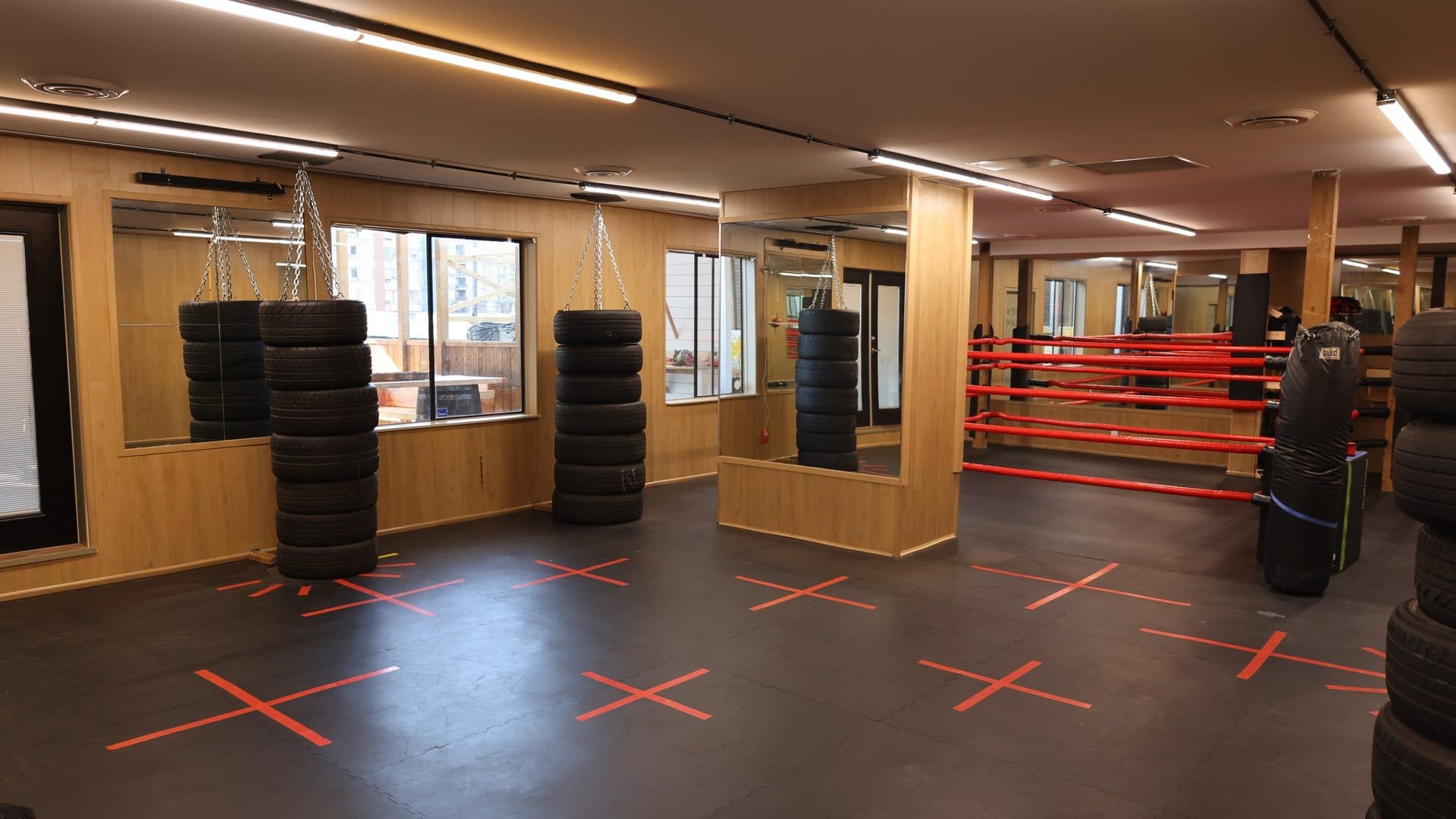
What Boxing Conditioning White Rock Classes Actually Train
Boxing conditioning white rock gyms run is often misunderstood as simply a harder cardio class. It is not. Most gym cardio trains one quality. You run at a steady pace and you get better at running at a steady pace. That is useful and quite limited.
Boxing conditioning trains something different. Round based work forces repeated efforts with incomplete recovery, which develops both your aerobic base and your ability to tolerate and clear the by-products of hard work. In practical terms, it makes you harder to gas out.
It also trains under skill demand. Holding technique while exhausted is a separate ability from being fit, and it is the one that transfers to real life. Carrying furniture upstairs, playing with your kids at the end of a long day, or handling a physically demanding trade all draw on the same well.
The physiological basis for this is not controversial. The American College of Sports Medicine and the National Strength and Conditioning Association both describe interval based training as an efficient route to cardiovascular adaptation, and the British Journal of Sports Medicine regularly publishes on its application across populations.
Why Rounds Work Better Than Steady Cardio for Most People
Boxing conditioning white rock classes use rounds for a reason. Steady cardio is not bad. It is simply a poor match for how most adults live and how most adults stay motivated.
Time efficiency. Thirty minutes of round work produces adaptations that would take considerably longer at a conversational pace. The Canadian Society for Exercise Physiology frames weekly activity targets in a way that intensity can partly substitute for duration.
Boredom. The main reason treadmill programmes fail is that nothing about them holds attention. A round with a coach calling combinations passes in a way that twenty minutes on a machine does not.
Full body recruitment. Punching engages legs, hips, trunk, and shoulders in sequence. More muscle working means more demand, which is why the perceived effort to calorie cost ratio is favourable. We covered this in our post on martial arts and calorie burn.
Built in progression. Rounds are naturally scalable. Same structure, more output, or shorter rest. Progress is obvious without needing a spreadsheet.
The Structure of a Typical Session
A boxing conditioning white rock session is not a boxing class with more sweating. The emphasis is different.
Warm up, eight to ten minutes. Skipping, movement prep, and gradually raising heart rate. This is not optional and it substantially reduces the tweaks and strains that end up interrupting people’s training.
Technical refresher, five to ten minutes. Enough to make the following work meaningful. You cannot condition through a technique you cannot perform, so the basics get revisited constantly. Our technical boxing guide covers those fundamentals in depth.
Main block, twenty to thirty minutes. Rounds on bags, pads, or in circuits. Work to rest ratios shift depending on the target for the day.
Finisher, five minutes. Short, unpleasant, and effective. This is the part everyone complains about and nobody skips.
Cool down. Brief, and consistently the most neglected part of every gym session everywhere.
Seven Ways Boxing Conditioning White Rock Members Get Fitter
1. Aerobic base
Despite the intensity, most of a conditioning class sits in a moderate zone. That base is what allows recovery between hard efforts, and it is built by volume rather than heroics.
2. Repeat effort capacity
The specific ability to produce a hard effort, recover partially, and produce another. This is the quality that separates people who look fit from people who are fit.
3. Local muscular endurance
Shoulders burn long before lungs do for most beginners. Holding a guard for three minutes is its own adaptation.
4. Work capacity
The total amount of quality work you can do in a session, and across a week. This is the quiet foundation under every other goal, including strength and fat loss.
5. Movement efficiency
Better technique costs less energy. A beginner and an experienced member can throw the same combination and one of them will be far less tired afterwards.
6. Heart health
Regular vigorous activity is among the best studied interventions in medicine. Heart and Stroke and Mayo Clinic both publish clear, non sensational summaries of the cardiovascular case.
7. Mental resilience
Choosing to keep working when a round is unpleasant is a trainable habit that leaks into the rest of your life in ways people find hard to articulate but easy to notice.
Who This Suits
People short on time. Two or three boxing conditioning white rock sessions a week is a legitimate programme, not a compromise.
People who hate the gym floor. If wandering between machines makes you want to leave, a coached class solves it.
Athletes in other sports. Conditioning transfers. We see hockey players, runners, and rugby players use it in the off season. Our post on functional fitness explains the crossover.
People returning after a long break. Scalability makes it far more forgiving than it looks from the door. HealthLink BC has sensible screening guidance worth reading first if it has been years.
People chasing fat loss. With the caveat below, which matters more than most marketing admits.
The Honest Truth About Conditioning and Fat Loss
Boxing conditioning white rock classes burn a meaningful number of calories. They also make you hungry, and appetite is a powerful regulator that quietly erases deficits.
Training influences body composition, but nutrition determines it. Anyone who tells you otherwise is selling classes. Health Canada’s food and nutrition guidance and Dietitians of Canada are unglamorous, evidence based starting points that will serve you better than any supplement.
Where conditioning genuinely helps is in preserving the habit. It is easier to eat sensibly on days you train, and consistency across months is what actually moves the number. Our piece on why boxing gets people in shape goes into that relationship honestly.
Combining Conditioning With Strength
The single most common mistake we see is people doing conditioning five times a week and wondering why they plateau.
Conditioning and strength are complementary, not interchangeable. Strength work builds the tissue that tolerates conditioning. Conditioning builds the engine that lets you do more strength work. Neglect either and progress stalls.
A workable week for most people is two conditioning sessions, two strength sessions, and one easy day. Our guides to strength training and the principles our coaches actually use lay out how to build that without living in the gym.
If you want that programmed for you specifically, personal training is the fastest route, though our comparison of group classes and one to one coaching is worth reading before you decide which fits your temperament and budget.
How Hard Should It Feel
Beginners routinely make one of two errors. They go at ninety percent every round until they hate training, or they coast and wonder why nothing changes.
A useful rule is that most of your rounds should sit at an effort you could sustain for the full round with technique intact, and a minority should be genuinely hard. If every session leaves you destroyed, you are not training, you are just accumulating fatigue.
Recovery is where adaptation happens. The Sleep Foundation covers the two way relationship between training load and sleep quality, and sleep is the most powerful and most ignored recovery tool available to any of us.
The World Health Organization recommendations are a floor rather than a ceiling, and for general health, hitting them consistently beats exceeding them sporadically.
Common Mistakes in Boxing Conditioning White Rock Beginners Make
Sprinting the first round. There are five more. Pace yourself. Nearly everyone learns this the hard way exactly once.
Breath holding. The universal beginner error, and the reason people gas out long before their muscles are the limiting factor. Exhale on every strike.
Death gripping the bag work. Tension is expensive. Relaxed muscles move faster and last longer.
Neglecting the skill. Poor mechanics cost energy and eventually cost joints. Wrists and shoulders in particular.
No progression plan. Turning up and working hard is a fine start and a poor five year strategy. ParticipACTION consistently makes the point that structure sustains activity where enthusiasm alone does not.
Skipping rest days. Six sessions a week is not dedication, it is a plateau with extra steps.
Equipment You Actually Need
- Hand wraps. Essential from day one. They protect the small bones of the hand and support the wrist.
- Gloves. Fourteen or sixteen ounce is right for most adults doing bag and pad work.
- Skipping rope. Cheap, brutal, and the best portable conditioning tool there is.
- Proper footwear. Flat and stable. Running shoes are built for the wrong job.
- Water. Considerably more than you expect to need.
That is the entire list. Boxing conditioning white rock classes need almost nothing from you in equipment terms, which is part of the appeal.
What Progress Looks Like Over Six Months
Weeks one to four. In boxing conditioning white rock beginners find everything hurts and you finish rounds by willpower. Improvement here is mostly neurological and technical rather than cardiovascular.
Weeks five to twelve. The big visible gains. Recovery between rounds shortens noticeably. Resting heart rate often drops. Most people report sleeping better.
Months four to six. Progress becomes less dramatic and more durable. Technique holds under fatigue. You start choosing to push rather than surviving.
Track round tolerance and recovery rather than scale weight. Cleveland Clinic has good general material on interpreting fitness markers, and PubMed is there if you want the primary literature rather than summaries.
Conditioning for Different Goals
Not everyone walking into a conditioning class wants the same thing, and the way you approach the same session should differ accordingly.
If your goal is general health. Two sessions a week, moderate effort, technique prioritised over output. You are building a habit that needs to survive a decade, not a quarter. Consistency is the whole game and intensity is a distraction.
If your goal is fat loss. Three sessions, paired seriously with nutrition, and at least two strength sessions to protect lean mass while in a deficit. The conditioning is the supporting act here, not the lead.
If your goal is sport performance. Match your work to rest ratios to the demands of your sport. A hockey player needs different intervals from a distance runner, and a decent coach will programme accordingly rather than giving everyone the same circuit.
If your goal is stress management. Go by feel. Some days that means an easy session. The value is in the doing, not in the metrics, and forcing intensity on a bad day is counterproductive.
If your goal is to eventually box. Conditioning is the entry ramp. It builds the capacity that makes technical work productive rather than a survival exercise.
The Skipping Rope Deserves Its Own Section
Every boxing gym in the world starts with skipping and there is a reason beyond tradition.
Skipping trains calf and foot elasticity, rhythm, timing, and relaxed continuous effort all at once. It is also brutally honest. You cannot fake it, and the first three weeks are humbling for almost everyone regardless of how fit they arrive.
It is the single best value piece of equipment in fitness. A rope costs less than a month of most gym memberships, fits in a bag, and delivers a genuine conditioning stimulus in ten minutes.
Start with intervals rather than continuous work. Thirty seconds on, thirty off, for eight rounds is a legitimate session for a beginner. Progress by lengthening work periods rather than adding total time, and expect it to take a month before it stops feeling clumsy.
If your calves scream in week one, that is normal. Reduce volume, keep frequency, and let the tissue adapt. Our post on boxercise classes covers how rope work fits into a broader fat loss oriented session.
Learning to Read Your Own Recovery
Most people have no framework for deciding whether to train hard, train easy, or rest. That leads to either chronic under recovery or excessive caution.
A few practical markers work well without any technology.
- Resting heart rate. Elevated ten or more beats above your normal on waking usually means take it easy today.
- Sleep quality. Two bad nights in a row is a reason to reduce intensity rather than push through.
- Motivation. Persistent reluctance across a week is data, not weakness. A single reluctant day is usually just a Tuesday.
- Grip strength and coordination. Fumbling wraps and mistiming the rope are surprisingly reliable early fatigue signals.
- Soreness that lingers past seventy two hours. Usually means the last session was too much too soon.
None of this requires a wearable. It requires paying attention for a few weeks until the patterns become obvious, which is a skill in itself and one that serves you long after you stop caring about any particular class.
Eating Around Conditioning Sessions
Round based training is glycogen hungry. Turning up genuinely underfed makes for a miserable hour and a poor training stimulus.
You do not need anything complicated. A normal meal two or three hours before, or something small and carbohydrate based an hour before, covers almost every situation. Training first thing in the morning on an empty stomach is fine for some people and awful for others, and the only way to know which you are is to test it.
Afterwards, eat a normal meal containing protein within a few hours. The narrow anabolic window people used to worry about has been substantially walked back by the research, and total daily intake matters far more than timing for anyone who is not a competing athlete.
Hydration deserves more attention than it gets. A conditioning class in a warm room produces real fluid loss, and even mild dehydration measurably degrades performance and makes the session feel considerably harder than it should.
Beyond that, the boring advice holds. Enough protein, enough vegetables, enough sleep, not too much alcohol. There is no supplement that outperforms those four things and there never has been.
Building Your Own Conditioning Week
If you want to structure this yourself rather than simply attending whatever is on, a few principles produce most of the result.
Two hard sessions maximum. Genuinely hard, where the last round is a struggle. More than two a week and quality drops across all of them.
One or two easy sessions. Deliberately comfortable. These build the aerobic base that makes the hard sessions possible, and almost everybody skips them because they feel unproductive.
Separate hard days. Back to back hard sessions produce two mediocre ones. Put a day between them.
Keep one full rest day. Not active recovery. Rest.
Change one variable at a time. More rounds, or shorter rest, or higher output. Not all three at once, which is how people end up injured in week three.
A workable template is a hard boxing conditioning white rock session on Monday, easy work Wednesday, a second hard session Friday, something enjoyable at the weekend, and genuine rest on Sunday. That is unglamorous, sustainable, and produces better results across a year than any amount of enthusiasm in January.
Why Most People Plateau
Plateaus in conditioning are almost never mysterious, and there are four usual causes.
Everything is medium. The most common pattern by far. Every session at seven out of ten, never truly hard and never truly easy. This produces a comfortable fitness that stops improving within a few months.
No progression. Doing the same six rounds at the same intensity for a year is maintenance, not training. Something has to increase.
Under recovering. Insufficient sleep and too many sessions will cap progress absolutely, regardless of how hard you work.
Technique stopped improving. Efficiency is a fitness variable. A boxer who wastes less energy does more work at the same cost, and that route to improvement never closes.
The fix is usually to do less, but do it with more contrast. Make the hard sessions genuinely hard and the easy ones genuinely easy. Most people find their conditioning improves within a month of that single change, which is counterintuitive enough that almost nobody tries it without being told.
Frequently Asked Questions
Do I need boxing experience? No. Conditioning classes assume none and teach what you need as you go.
Will I be hit? No. Conditioning work is bags, pads, and circuits. Contact is a separate choice entirely.
Is it suitable if I am very unfit? Yes, because output is self selected. The room will not wait for you and it will not leave you behind either.
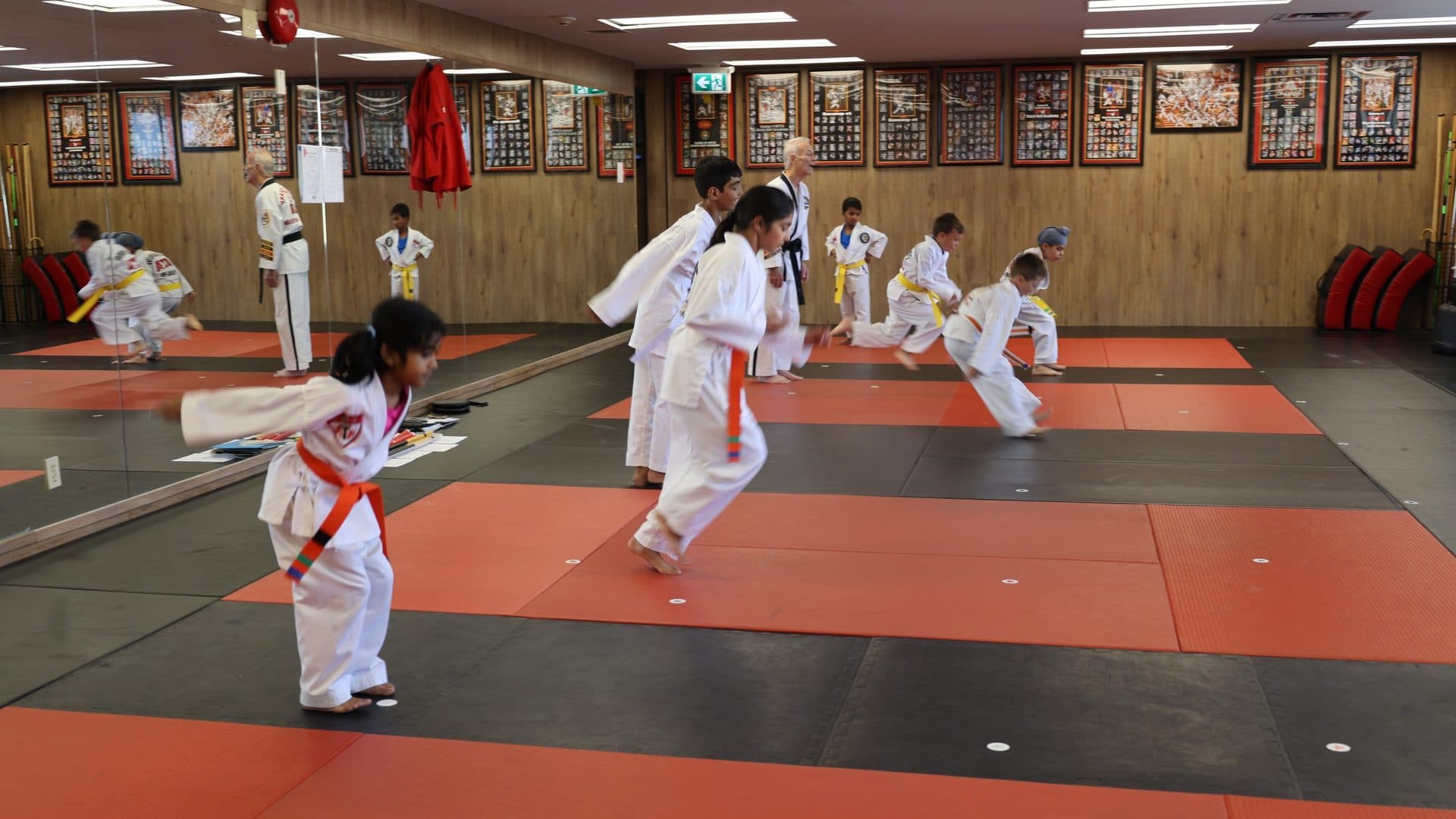
How is this different from a bootcamp? Skill. You are learning to punch properly rather than just moving fast, and that keeps people engaged for years rather than weeks.
Can I combine it with other classes? Absolutely, and most people do. The schedule shows what runs when, and our kickboxing classes pair particularly well.
What if I need to stop mid round? Then you stop. Everyone has. Canada’s activity guidance is clear that some activity always beats none.
Starting Boxing Conditioning White Rock Locals Rely On
If you want to be fitter in a way that shows up outside the gym, round based work is one of the most reliable routes available. It is time efficient, endlessly scalable, and considerably harder to get bored of than a treadmill.
Kingdom Athletics runs boxing conditioning white rock residents can start at any fitness level. Have a look at the conditioning programme, browse everything else we run, read our post on the signs it is time to change your routine, and when you are ready, get in touch and we will find you a session that fits.