Kickboxing Classes White Rock: 9 Proven Reasons to Start This Month
August 24, 2026•14 min read•Boxing & Martial Arts, Training Tips
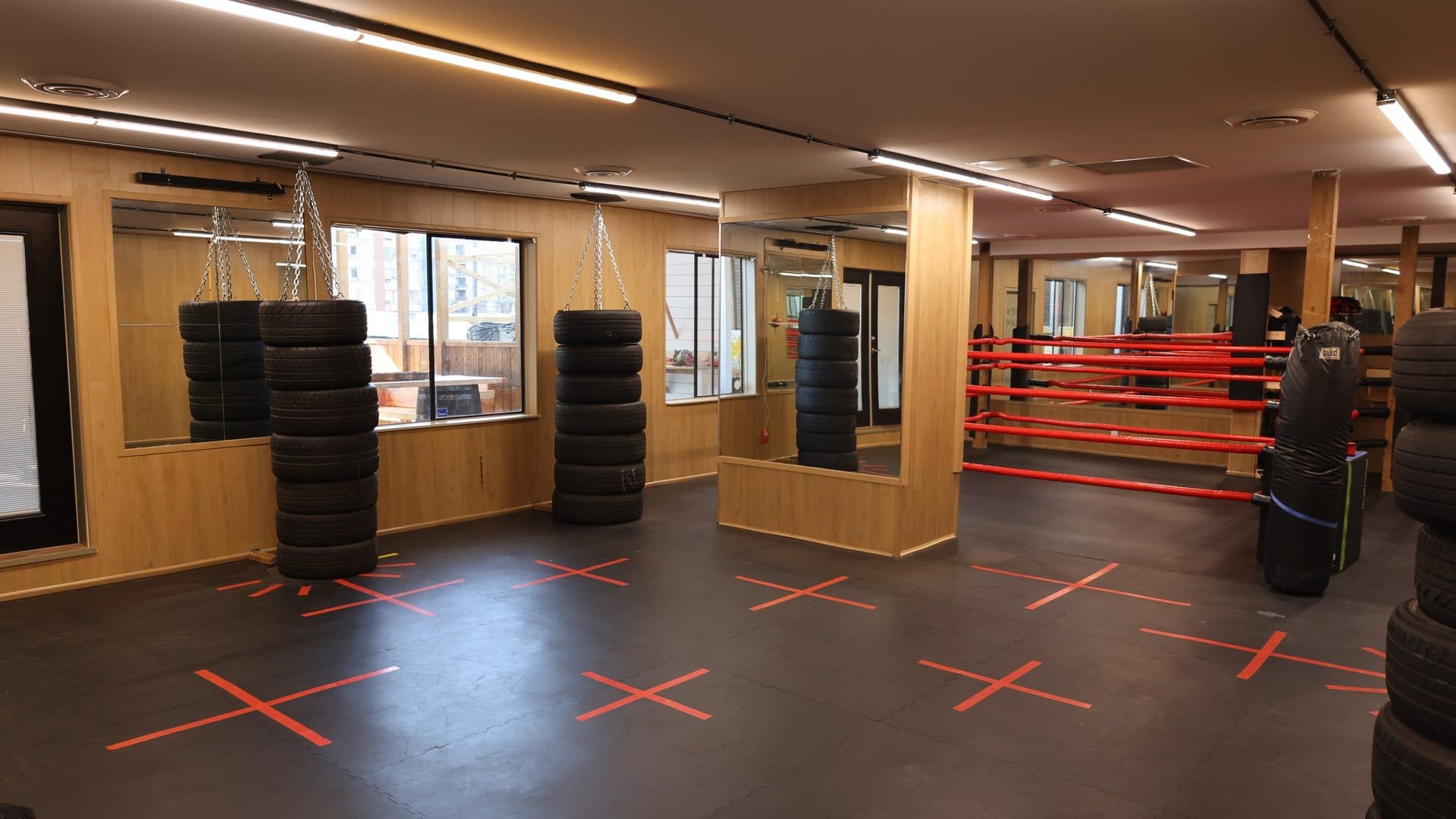
If you have driven past the gym on Johnston Road and wondered whether you could actually do this, the honest answer is yes. Kickboxing classes white rock residents can walk into with no background at all are the most common starting point we see at Kingdom Athletics. People arrive nervous, hit pads for an hour, and leave wondering why they waited so long. This guide covers what the training actually involves, what it does for your body and your head, and how to make your first month count.
Why Kickboxing Classes White Rock Beginners Try Tend to Stick
Most fitness routines fail for the same reason. They are boring. You count reps, you watch a clock, and nothing about the hour asks for your attention. Striking is different because it demands focus. You cannot think about your inbox while a coach is holding pads and calling combinations at you.
That focus is the hook, and it is why kickboxing classes white rock gyms run fill up in January and stay full in March. The fitness is a side effect. The World Health Organization recommends adults get at least 150 minutes of moderate activity per week, and the Canadian Society for Exercise Physiology sets a similar bar in its 24-Hour Movement Guidelines. Three rounds of striking a week clears that comfortably, and almost nobody has to force themselves to show up.
The second reason people stay is progress you can actually feel. In week one you will gas out halfway through a three minute round. By week six that same round feels manageable. That improvement curve is steepest at the beginning, which is precisely the moment most people abandon other programs. Kickboxing front loads the reward.
The third reason is less obvious. Striking is a skill, and skills have no ceiling. You can lift weights for twenty years and the movement is still the movement. You can throw a jab for twenty years and still be refining it. That keeps people engaged long after the initial fitness gains flatten out.
What Kickboxing Actually Is
Kickboxing is a broad label covering several related striking systems. What most gyms in Canada teach is a fitness oriented blend drawing on Dutch kickboxing, Muay Thai, and Western boxing. You punch, you kick, you use knees, and you learn to move so that neither of those things lands on you.
It is worth understanding where the sport sits internationally. The International Boxing Association governs amateur boxing, while kickboxing has its own federations, and the training methods have cross pollinated for decades. Almost every serious striking gym now borrows from all of them, because the fundamentals of balance, distance, and timing do not change between rulesets.
None of that matters much on your first night. What matters is that the class is structured, the coaching is hands on, and nobody expects you to know anything.
What Actually Happens in Your First Session
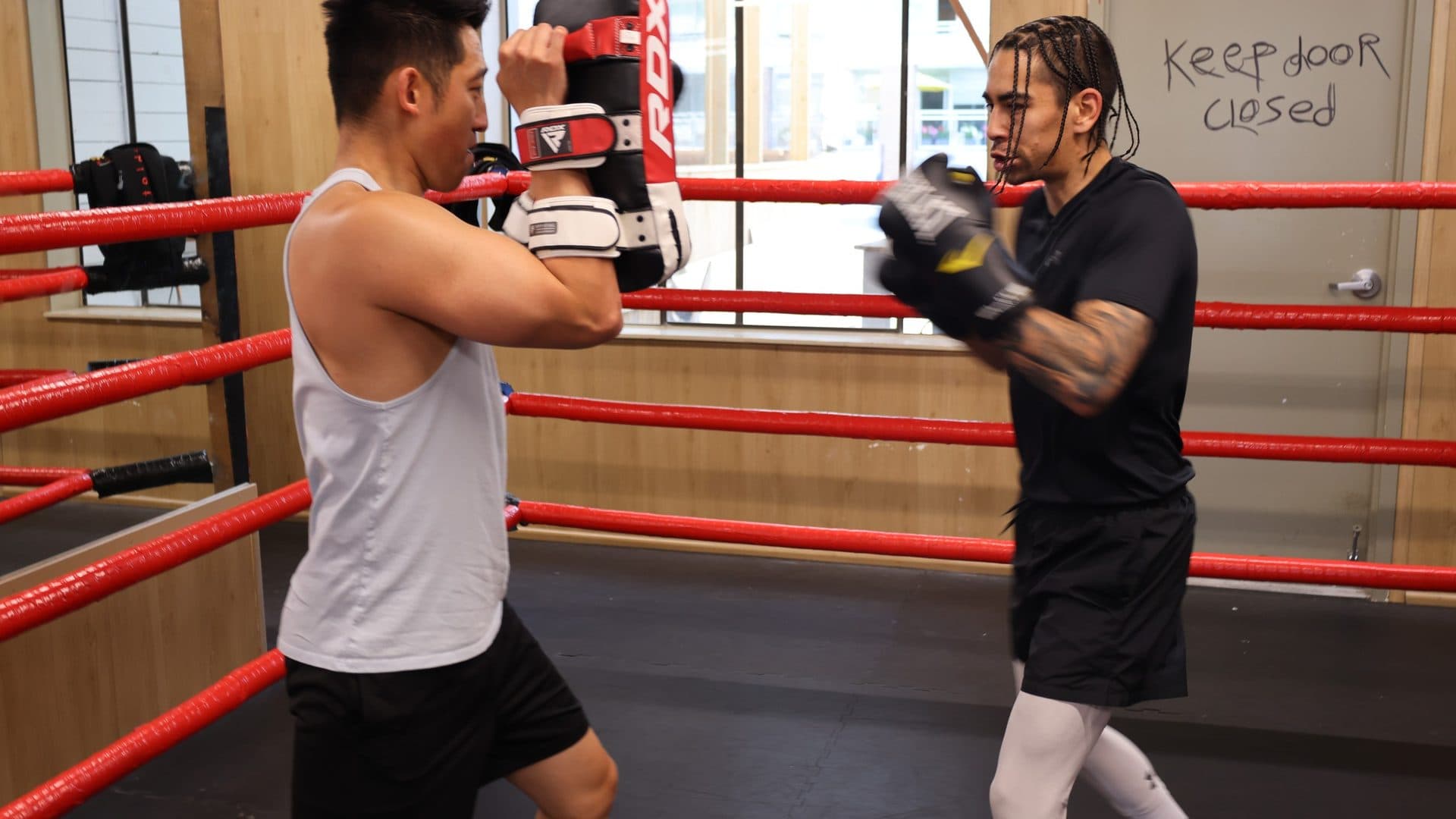
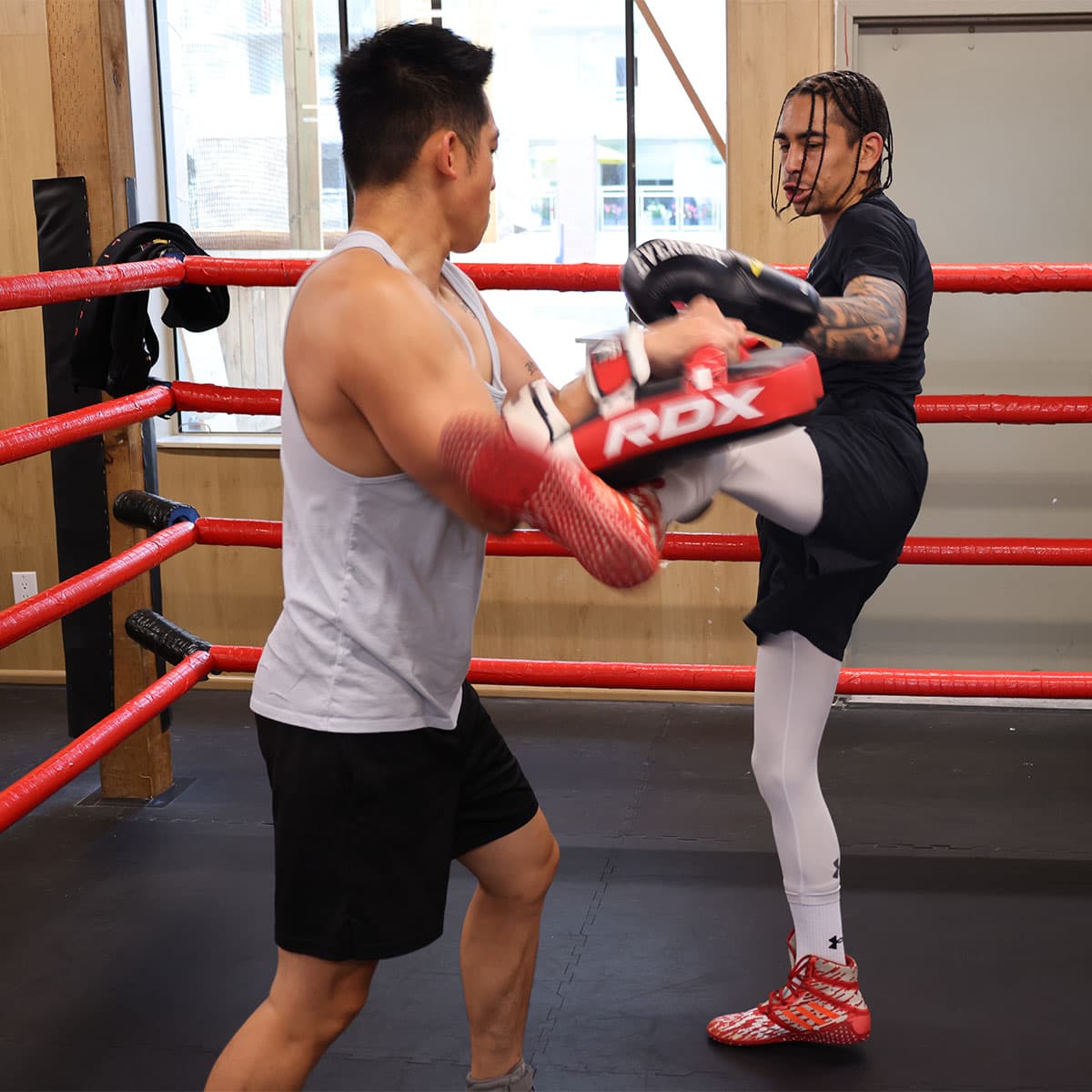
Most kickboxing classes white rock studios run follow a similar shape. A typical hour breaks into four parts. A warm up that gets your shoulders, hips, and ankles moving. A technical block where a coach teaches one or two strikes in detail. A pad or bag section where you put those strikes together under mild fatigue. Then a conditioning finisher, which is the part everyone remembers.
Nobody is going to throw you into a ring. Contact is optional and it is not part of a beginner class. If you eventually decide you want it, our guide to sparring for beginners explains how that progression works and how to tell when you are genuinely ready rather than just keen.
You will learn a stance before you learn a punch. That is not filler. Balance is what lets you generate force without falling over your own feet, and it is the single most common thing beginners try to skip. Our post on the costly mistakes beginners make goes deeper into why rushing past fundamentals slows everybody down in the long run.
Expect to be bad at it. Everyone is bad at it. The coordination required to move your hands and feet on different rhythms is genuinely difficult, and the people who look smooth in the corner of the room were all clumsy once. Physiopedia has accessible background on how motor learning develops through repetition and immediate feedback, which is exactly what pad work provides and why it works faster than shadow boxing alone.
Nine Reasons People Keep Coming Back
1. The calorie cost is genuinely high
Striking recruits your legs, hips, core, back, and shoulders in one continuous chain. That is a large amount of muscle working simultaneously, which is why the energy demand outstrips steady state cardio at comparable perceived effort. We went into the detail in our piece on martial arts and calorie burn.
2. Stress actually goes somewhere
Hitting things is honest exercise for an overloaded nervous system. The Canadian Mental Health Association and the American Psychological Association both identify regular physical activity as one of the more reliable everyday tools for managing stress and low mood. We wrote a full piece on the mental health side of training because it comes up in conversation more than fitness does.
3. Conditioning that carries over
Round based work builds the ability to go hard, recover briefly, and go again. That is the pattern nearly every sport demands, and most physical trades too. Our boxing and conditioning classes take that principle further for people who want the engine without the technical load.
4. You learn something useful
Unlike a spin bike, the skills transfer. Distance management, awareness, and the simple confidence of having been in a physically demanding situation are practical. That is why a lot of members cross over into our self defense classes once they have a few months behind them.
5. Hip mobility you will keep
Kicking demands hip range that most desk workers have quietly lost. Harvard Health publishes readable material on why maintaining mobility matters more with each decade, and kickboxing trains it every single session without anyone calling it mobility work.
6. Scalable intensity
You control how hard you go. Two people can work the same round at completely different intensities and both get exactly what they need from it. That makes the class workable across a wide spread of fitness levels, ages, and injury histories.
7. It builds real coordination
Learning to move opposite limbs on different rhythms is a legitimate motor skill, and it is one that tends to decline with age unless you train it. The balance and reaction demands of striking are the kind of stimulus that general gym work rarely provides.
8. The community is unusually welcoming
Combat gyms have a reputation problem that rarely survives first contact with reality. The people training beside you are accountants, nurses, tradespeople, and teachers. Our post on the growing White Rock fitness community describes what that culture looks like day to day.
9. It is genuinely enjoyable
The best training program is the one you keep doing. Enjoyment is not a soft benefit sitting below the real ones. It is the entire mechanism of adherence, and adherence is the only variable that reliably predicts results.
Kickboxing or Boxing: Which Should You Start With
This is the question we field most often about kickboxing classes white rock beginners are choosing between. Boxing is hands only. Kickboxing adds kicks, knees, and considerably more hip rotation. Boxing has the shorter learning curve because there is simply less to coordinate, so if you want to feel competent quickly, it is the softer entry point. Our complete intro to boxing is the right first read if that appeals.
Kickboxing gives you more variety and far more lower body work. If you bore easily, it is the better fit. Plenty of members do both, alternating between technical boxing and kickboxing across a training week and finding that each one improves the other.
There is no wrong answer. The class schedule shows what runs when, and most people settle into a rhythm within a fortnight without having to plan it.
Your First Month, Week by Week
Week one. Everything about kickboxing classes white rock beginners attend is unfamiliar at first. Your shins will be tender, your shoulders will ache, and you will forget the combination halfway through. This is normal and universal. Aim for two classes, not five.
Week two. The soreness settles. You start recognising combinations before they are finished being called. Most people are still gassing out early, which is a conditioning problem rather than a technique problem.
Week three. Something clicks in the footwork. You stop thinking about where your feet are and start thinking about what you are hitting. This is usually the week people decide they are going to keep going.
Week four. You have a stance that holds up under fatigue and a jab that does not telegraph. You are still a beginner, but you are a beginner who belongs in the room.
If you want to accelerate that curve, adding structured strength work is the highest leverage change available. Our guides to strength training and the difference between group classes and one to one coaching both cover how to build a week that supports striking rather than competing with it.
What to Bring and What to Wear
- Hand wraps. Non negotiable. They protect the small bones of the hand and keep the wrist stacked behind the fist.
- Gloves. Fourteen or sixteen ounce gloves cover almost every beginner situation. Our buying guide for beginner gloves explains sizing properly and saves you buying twice.
- Shin guards. Only once you progress to partner drills. Not needed on day one, or in most cases in month one.
- Clothing. Shorts or leggings you can kick in, and a shirt you do not mind sweating through completely.
- Water. More than you think you need. Dietitians of Canada has practical guidance on hydration around exercise.
- A mouthguard. Only relevant if and when you move toward contact.
Do not spend heavily on equipment before your first month. Borrow gear, try a few things, and find out what you actually like before committing money to it.
The Mistakes That Slow Beginners Down
Going too hard, too early. Enthusiasm in week one reliably produces injury in week three. Ramp up gradually. The American College of Sports Medicine publishes sensible progression principles that apply directly here.
Holding your breath. Nearly universal among beginners, and the main reason people gas out long before their legs are actually tired. Breathe out sharply on every strike.
Skipping the unglamorous parts. Stance, guard, and footwork are where power comes from. Everyone wants to hit the heavy bag hard on day one and nobody wants to spend twenty minutes on how they stand.
Training striking only. Two strength sessions a week transform your kickboxing. Power comes from the ground up, and a stronger posterior chain makes every kick better.
Ignoring recovery. Sleep is where adaptation actually happens. The Sleep Foundation covers the relationship between training and sleep quality running in both directions, and it is the most underrated variable in any beginner’s first three months.
How Kickboxing Fits Into a Full Week
A sustainable week for most beginners is two striking sessions, one or two strength sessions, and something easy at the weekend. That comes to roughly four or five hours of deliberate activity, which sits comfortably inside Canada’s physical activity recommendations without dominating your life.
If you are training for general health rather than competition, you do not need more than that. ParticipACTION makes the point repeatedly that consistency beats volume, and everything we see across our own membership supports it. The people who get results are not the ones who train hardest in January. They are the ones still turning up in April.
Some members want more individual attention and add a session of personal training. Others prefer the energy of a full room. Both work. What does not work is an ambitious plan that collapses in three weeks.
Is Kickboxing Safe
In a non contact class, the injury profile of kickboxing classes white rock gyms offer looks much like any other fitness class. Sprains, tender shins, and overuse niggles are the realistic risks. Head injury is not a meaningful concern when nobody is hitting you.
If you later move toward contact work, that calculus changes and you should go in informed. Parachute Canada is the best Canadian resource on concussion recognition and it is worth reading before you ever put in a mouthguard.
Speak to your doctor first if you have a heart condition, a recent injury, or you are returning to exercise after a long layoff. HealthLink BC has clear screening guidance for adults starting new activity, and any decent coach would rather know about a limitation in advance than discover it mid class.
Frequently Asked Questions
Do I need to be fit before I start? No, and this is the single most common thing that stops people trying kickboxing classes white rock has available. You get fit by starting. Beginner classes are built for people who are not fit yet.
Will I have to fight anyone? No. Contact is entirely optional and never part of a beginner class. Plenty of long term members never spar at all.
How quickly will I see results? Conditioning changes are noticeable within three or four weeks. Visible body composition change depends far more on nutrition than on training. Health Canada’s nutrition guidance is a reasonable, non faddish place to start.
Can women train here? Yes, and a great many do. Our post on boxing for women covers what that experience is actually like rather than what people assume it is like.
I am over fifty. Is this for me? Yes, with sensible scaling. Mayo Clinic has good general material on starting exercise later in life, and intensity in a striking class is genuinely self selected.
What if I have to stop and catch my breath? Then you stop and catch your breath. Every single person in that room has done it.
Who Kickboxing Classes White Rock Wide Actually Suit
The honest answer is most people, but there are patterns in who gets the most out of it.
People who have failed at the gym before. If you have bought three memberships and used none of them, the problem was probably never discipline. It was that nothing about the activity held your interest. A class with a coach, a start time, and a skill to learn solves a motivation problem that willpower never will.
Former athletes. If you played competitive sport and have not found anything since that scratches the same itch, striking usually does. There is a scoreboard of sorts in every round, even a solo one on the bag.
People carrying a lot of stress. Desk workers, parents of small children, shift workers, anyone whose day never quite finishes. An hour where the only thing you can think about is the pad in front of you is genuinely restorative in a way that a treadmill is not.
People who want to feel capable. There is a specific kind of confidence that comes from doing something physically hard and slightly intimidating on a regular basis, and it does not stay in the gym.
Kickboxing classes white rock residents join for fitness very often end up staying for one of these other reasons instead. That is worth knowing going in, because it changes how you measure whether it is working.
How to Tell It Is Working
Scales are a poor measure of progress in kickboxing classes white rock or anywhere else. Muscle changes, water shifts, and the number moves for reasons unconnected to your training. Use better markers.
- Round tolerance. Can you finish a three minute round at a steady output without stopping? That is a real, measurable change.
- Recovery between rounds. How quickly your breathing settles in the minute between rounds is one of the cleanest fitness indicators available to you, and it improves fast.
- Technique under fatigue. Anyone can hold a decent guard when fresh. Holding it in round five is the actual skill.
- Resting heart rate. Slow, steady decline over months. Easy to track and hard to fake.
- How you feel on Monday. Genuinely the most underrated metric there is.
Set a three month horizon rather than a three week one. Almost everything worth having in kickboxing classes white rock gyms teach takes longer than a month and less time than people fear.
The Cost of Waiting
The most common thing we hear from new members is a version of the same sentence. I should have done this years ago. Not because the training is transformative in some dramatic way, but because the barrier they had built up in their head bore no resemblance to the actual room.
There is no fitness prerequisite. There is no minimum age beyond our adult classes starting where they start. Nobody is watching you. Everyone in the room was new once and most of them remember it clearly, which is exactly why combat gyms tend to be far friendlier than their reputation suggests.
A Note on Cost and Commitment
People often hesitate because they assume a specialist gym costs more than a big box membership and locks them into something long. Neither assumption is reliable, and both are easy to check in about five minutes.
What is worth weighing is value per session rather than price per month. An unused twenty dollar membership costs infinitely more per visit than a coached class you actually attend twice a week. The cheapest gym in town is the one you never walk into, and it is expensive.
Ask about trial classes before committing to anything. Any gym confident in its coaching will let you try before you buy, and how you are treated on that first visit tells you most of what you need to know about the next twelve months.
Starting Kickboxing Classes White Rock Locals Recommend
The gap between thinking about training and actually training is about one phone call wide. Kingdom Athletics runs kickboxing classes white rock residents can join at genuine beginner level, with coaching built around making the first month feel achievable rather than intimidating.
You are welcome to come and watch a class if that feels easier than joining one. When you are ready, get in touch and we will put you in a session that fits your schedule and your starting point. Kickboxing classes white rock locals stick with are the ones where somebody learns your name in week one, and that is the standard we hold ourselves to.