Self Defense Classes White Rock: 8 Essential Skills Everyone Should Learn
August 27, 2026•15 min read•Boxing & Martial Arts, Training Tips
Almost nobody signs up for a martial arts gym because they expect to be attacked. People come because they want to feel less uneasy walking to the car after a late shift. Self defense classes white rock residents actually benefit from are not about learning to win fights. They are about awareness, distance, and having rehearsed a response so it is available when thinking gets hard. This guide covers what genuinely useful training looks like, what to be sceptical of, and how to start.
What Self Defense Classes White Rock Gyms Should Actually Teach
Before comparing self defense classes white rock has on offer, it helps to know what separates the real thing from theatre. There is a lot of nonsense in this corner of the fitness industry. Techniques demonstrated on compliant partners, promises about disarming weapons, and instructors whose confidence outstrips their experience. Good training looks unglamorous by comparison.
The bulk of real self defense is decision making, not technique. Recognising a situation early, creating distance, leaving, and being loud are worth more than any wrist lock. Physical skills matter, but they sit at the end of a chain of better options.
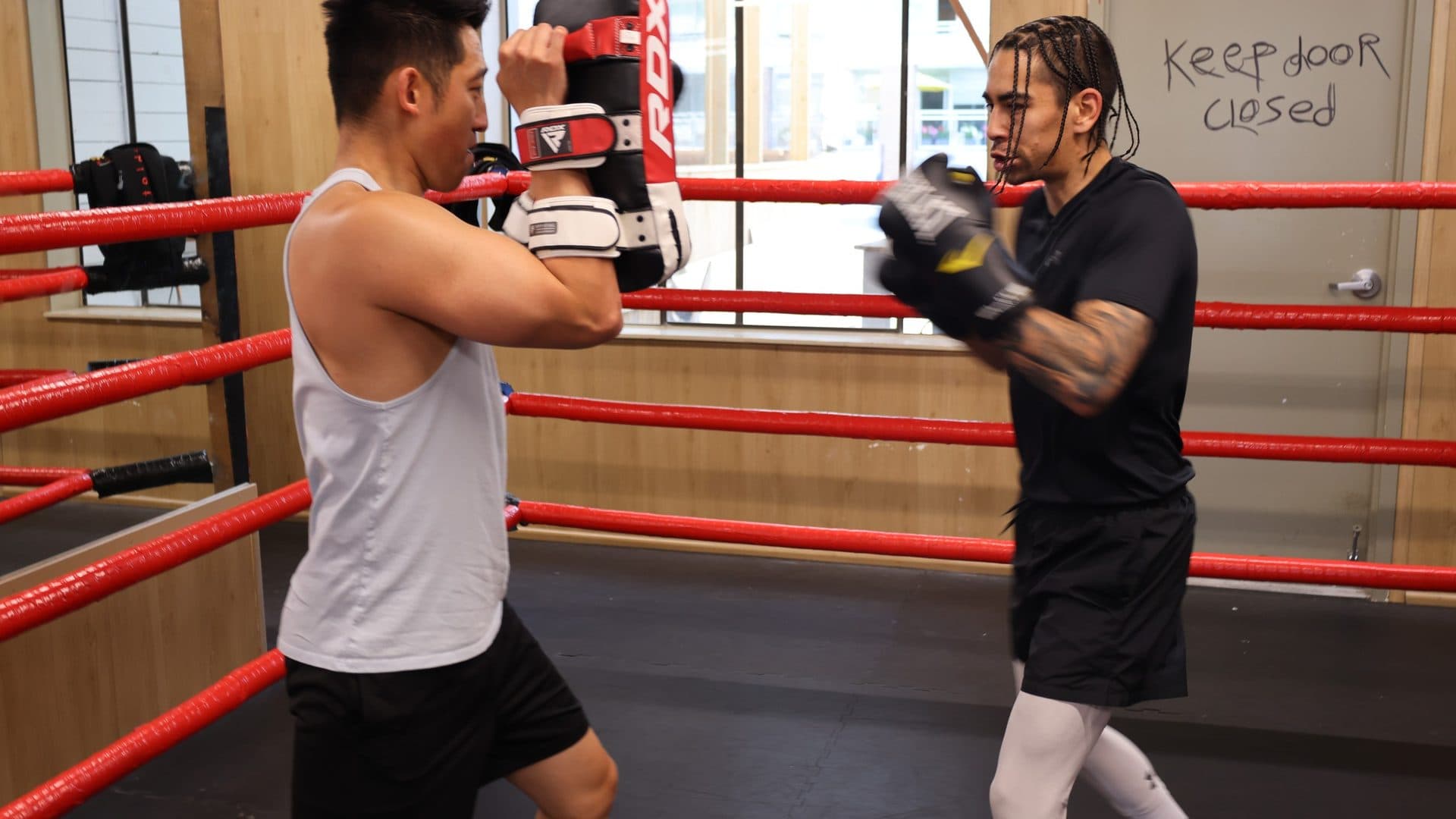
The second thing good training gives you is stress inoculation. Skills degrade badly under adrenaline. The only reliable way to keep access to a skill under pressure is to have practised it while mildly stressed, which is exactly what pad work and controlled drilling provide.
Finally, it should make you fitter. Being able to run, or simply to stay upright while someone pulls at you, is a physical capacity question. The World Health Organization frames regular activity as foundational to functional capability at every age, and self defense training is a reasonable way to get it.
The Eight Skills That Matter Most
1. Awareness before anything else
The overwhelming majority of bad situations announce themselves. Phones down in car parks, headphones out on quiet streets, and a habit of noticing exits are unglamorous and enormously effective.
2. Managing distance
Distance is the single most transferable concept from combat sport to personal safety. Almost nothing can happen to you from outside arm’s reach. Learning to hold and re-establish that gap is trained in every striking class we run, including our kickboxing classes.
3. Using your voice
Being loud does two things. It attracts attention, and it interrupts an aggressor’s expectation of an easy, quiet interaction. It is also the skill people are most reluctant to practise, which is exactly why it needs practising.
4. A simple, repeatable strike
One strike you can throw hard, accurately, under adrenaline, beats twenty you half know. For most people that is a palm strike or a straight punch. Our introduction to boxing covers how that mechanic is built properly.
5. Breaking grips
Most real physical contact starts with a grab rather than a punch. Grip breaks rely on leverage and body position rather than strength, which is why they work regardless of size difference.
6. Staying on your feet
Balance under pressure is trainable and is one of the least discussed elements of personal safety. Our martial arts programme spends real time on it.
7. Conditioning
Adrenaline burns through your gas tank extraordinarily fast. Twenty seconds of genuine struggle is exhausting. Conditioning buys you the seconds you need to disengage.
8. De-escalation
Talking a situation down is a skill, and it is the one you will use most often in ordinary life. Posture, tone, and giving someone a way to back out without losing face resolve far more encounters than technique does.
What Good Training Will Not Promise You
Be wary of any programme that guarantees outcomes. No class makes you safe. Training shifts probabilities, and that is genuinely worth having, but anyone selling certainty is selling something else.
Be equally wary of weapon defence taught as a headline skill to beginners, of techniques that only ever work on a cooperative partner, and of instructors who cannot explain why something works rather than just that it does. The Coaching Association of Canada sets out what qualified coaching should look like across sport, and the principles apply here.
The best self defense classes white rock has available will be honest about limits. Ours are.
Who These Classes Are Actually For
Women who want practical confidence. This is the largest group joining self defense classes white rock wide, and the reasons are usually specific rather than abstract. Late shifts, running alone, travelling. Our post on boxing for women covers the training environment honestly.
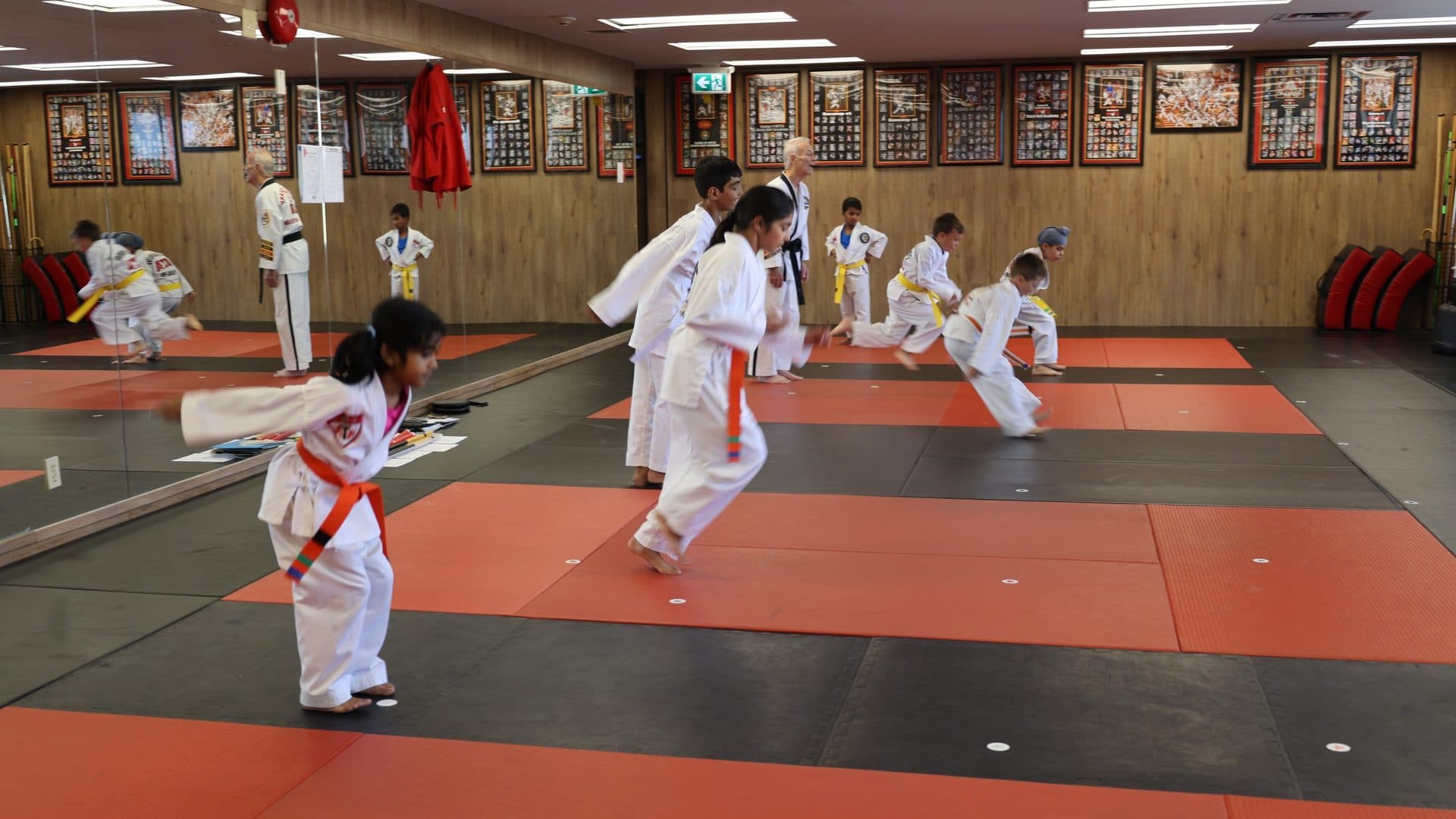
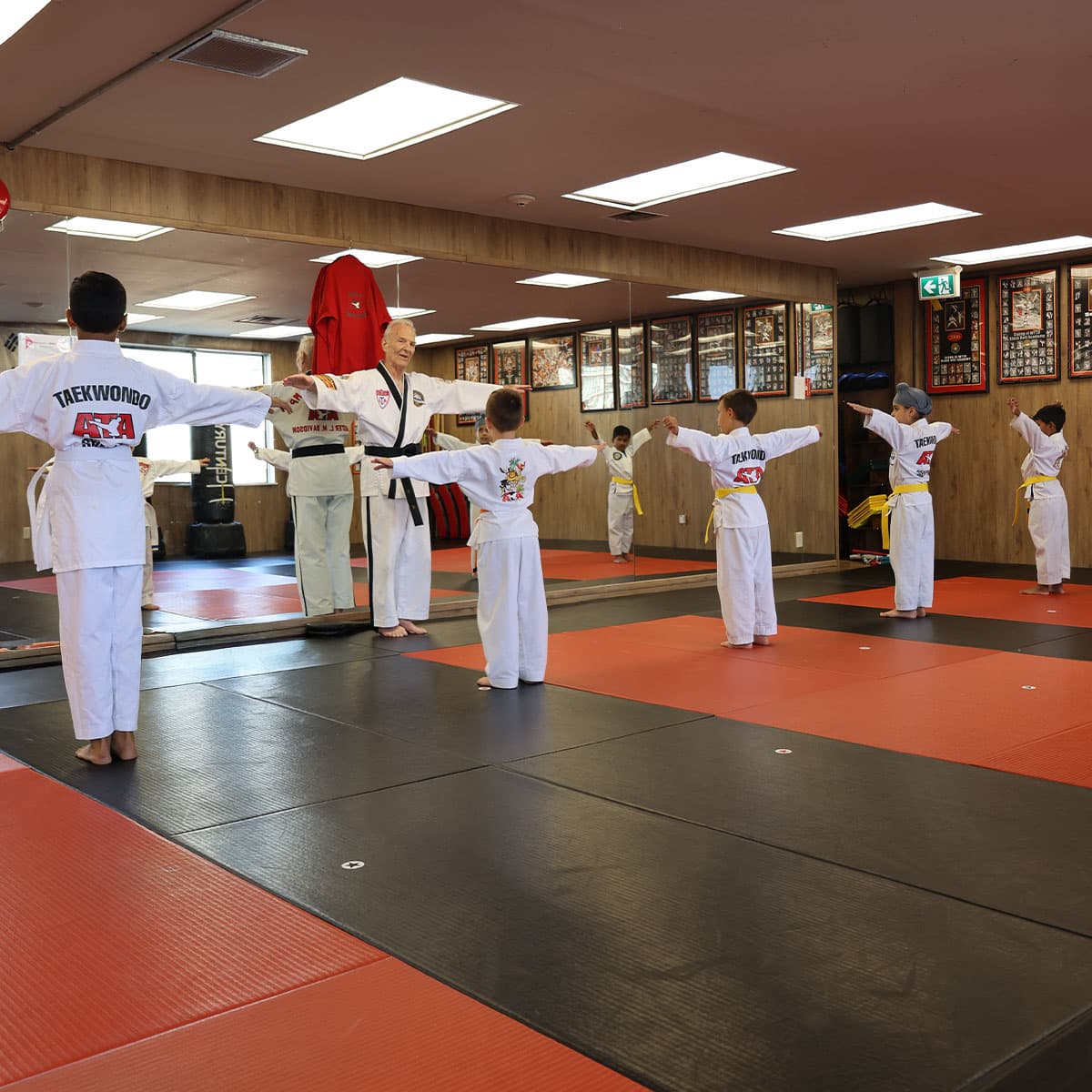
Parents. Often arriving because they want their children to have these tools, then discovering they want them too. We run confidence focused classes for kids and dedicated teen martial arts alongside adult sessions.
People returning to exercise. A goal beyond weight makes training stick. ParticipACTION has written extensively about how purpose driven activity outperforms appearance driven activity for adherence.
Older adults. Fall prevention, balance, and confidence in public space are legitimate outcomes. Harvard Health publishes accessible material on how balance training protects independence with age.
Awareness Is Trainable
People treat awareness as a personality trait. It is closer to a habit stack, and habits can be built deliberately.
- Scan on arrival. When you enter anywhere, note the exits. Takes two seconds and becomes automatic in a fortnight.
- Phone down in transit. The single highest impact change most people can make.
- Trust discomfort. The feeling that something is off is pattern recognition running faster than your conscious mind. Acting on it costs you almost nothing when you are wrong.
- Vary your routine. Predictability is the only thing that makes an ordinary person a target worth planning around.
- Tell someone. A text with where you are going and when you expect to arrive is free.
None of this requires a gym. All of it is worth more than a technique you practise once a month.
The Physical Side: What You Will Actually Do
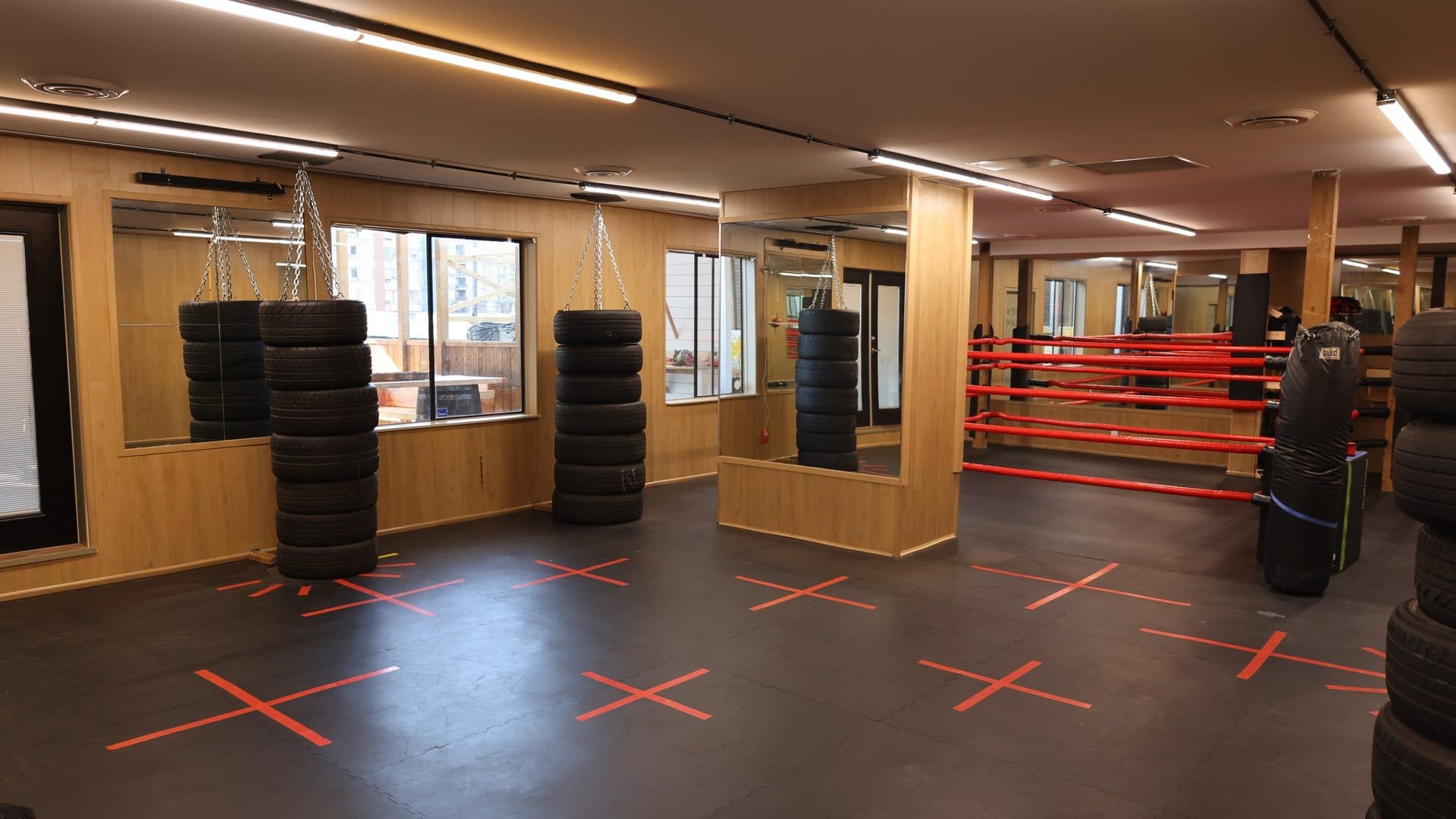
Sessions are built around drilling rather than lecture. You will spend most of the hour moving. Expect footwork, pad work, grip escapes from realistic positions, and scenario work at controlled intensity as you progress.
Nothing is full contact for beginners. Intensity rises only as competence does, and it is always a conversation rather than a surprise. If you eventually want the sharper end of pressure testing, our guide to sparring for beginners explains how that ladder works.
The physical demand is real but scalable. HealthLink BC has straightforward screening guidance for adults starting new activity, and it is worth a read if you have been sedentary or are managing an injury.
How Self Defense Classes White Rock Locals Take Fit With Other Training
Self defense classes white rock members attend work best as one part of a week rather than the whole of it. Self defense is a lens rather than a separate sport. Almost everything in a striking or grappling class contributes to it. That is why many members treat it as one part of a broader week.
A common pattern is one dedicated self defense session, one striking class from our full programme, and one strength session. That covers skill, conditioning, and the raw physical capacity underneath both.
The class schedule shows what runs when. Most people find a rhythm inside a month without planning it particularly hard.
The Confidence Effect Is the Real Outcome
Ask long term members of our self defense classes white rock what changed and almost nobody leads with technique. They talk about walking differently. Being less rattled by minor confrontation. Not crossing the street automatically.
That shift is well documented in the broader literature on physical activity and psychological wellbeing. The Canadian Mental Health Association and the American Psychological Association both connect regular structured exercise to reduced anxiety and improved self efficacy. Our own post on the mental health side of martial arts goes further into it.
Competence changes how you carry yourself, and how you carry yourself changes how you are read. That is not mystical. It is just posture and attention.
Common Misconceptions
“I am too small for this to work.” Size matters less than position and leverage, which is precisely what the techniques exploit. It is also why running remains an excellent option and is explicitly taught rather than treated as failure.
“I need to be fit first.” No. Fitness is an outcome of attending, not a prerequisite for it. Canada’s physical activity guidance is clear that starting where you are is the correct approach.
“It will be aggressive and intimidating.” Combat gyms are usually the friendliest rooms in fitness, largely because everyone has been humbled and nobody has anything to prove.
“One weekend seminar is enough.” Seminars are useful for exposure and useless for retention. Skills under stress require repetition over months. Physiopedia covers the motor learning research that explains why.
Bringing Your Kids or Teenagers
Parents often ask what age is appropriate. For most children, the honest answer is that the physical techniques matter far less than the confidence, boundaries, and body awareness the classes build.
Sport for Life has excellent Canadian material on age appropriate physical development, and viaSport BC publishes guidance on safe sport environments that is worth any parent’s time before choosing any programme, ours included.
For teenagers specifically, the social benefits often outweigh everything else. Our teen programme is built around that reality rather than pretending thirteen year olds are small adults, and several families train across our group fitness classes together.
What Happens in Your First Class
Walking in for the first time is the hardest part of the entire process, so it helps to know the shape of the hour before you arrive.
You will be greeted and asked about injuries and experience. That conversation is not a formality. It determines how the coach scales the session for you, and it is the difference between a class that fits and one that hurts.
The warm up is general movement rather than punishment. Shoulders, hips, spine. Nothing that requires coordination you do not have yet.
Then a technical block, usually one concept taught in layers. Not five techniques rushed, one idea understood. You will drill it slowly with a partner at a pace that lets you think, then slightly faster as it becomes familiar.
The session usually closes with light conditioning and a recap. You will leave tired, mildly sore in places you did not expect, and considerably less intimidated than you arrived.
Most people are surprised by how ordinary it feels. There is no shouting, no ritual humiliation, and nobody testing you. Self defense classes white rock gyms run well are simply structured, practical hours with a clear point.
Understanding Reasonable Force in Canada
This deserves a paragraph because it is widely misunderstood, and because good training should address it rather than pretend it does not exist.
Canadian law permits force that is reasonable in the circumstances for the purpose of defending yourself or another person. The operative word is reasonable, and it is assessed against what a person in your position could sensibly have believed at the time.
What that means practically is straightforward. Force is a last option, proportionality matters, and the moment you can safely leave, leaving is both the tactically and the legally sound choice. Any instructor who encourages you to think otherwise is doing you harm.
We are coaches rather than lawyers, and nothing in a gym is legal advice. But responsible self defense classes white rock instructors deliver should be teaching disengagement as the primary goal, and ours do.
Training the Situations That Actually Happen
Popular imagination fixates on the ambush in the dark alley. Real incidents are far more often mundane, close range, and preceded by conversation.
- The escalating argument. Car parks, pubs, roadside. Almost entirely resolvable through posture and de-escalation.
- The grab. Wrist, arm, clothing. Leverage based escapes work here and are trainable quickly.
- The crowded space. Limited room, limited options, high need for awareness and voice.
- The domestic or known assailant. Statistically far more common than stranger violence, and the situation least addressed by generic self defense marketing.
- The distraction approach. Someone asking a question to close distance. Recognising the pattern is the entire defence.
Training that ignores the mundane in favour of the dramatic is entertainment. Statistics Canada publishes the national data on victimisation, and it consistently paints a picture rather different from the one films sell.
Conditioning: The Unglamorous Foundation
Adrenaline is metabolically brutal. Heart rate spikes, fine motor control degrades, and tunnel vision narrows what you can perceive. A person in poor condition reaches that state faster and recovers from it slower.
This is why conditioning is not separate from self defense. It is the substrate everything else runs on. The Canadian Society for Exercise Physiology publishes the national movement guidelines, and hitting them is a meaningful baseline before worrying about technique subtleties.
Practically, that means building an aerobic base you can fall back on and enough strength to hold position under load. Our guide to what nobody tells you before your first class covers how that develops in the first months.
Cleveland Clinic has clear general material on how cardiovascular fitness affects stress response, which is the mechanism underneath all of this.
What You Can Practise at Home
Skill decays without repetition, and two hours a week in a gym is not much repetition. The good news is that the highest value elements need no equipment and no partner.
Stance and movement. Two minutes of footwork in a kitchen is genuinely useful. Balance is the foundation of everything else.
Voice. Practise being loud. In the car, alone, wherever. The reluctance to make noise is the thing that fails people most often.
Visualisation. Mentally rehearsing a response to a specific scenario has measurable effect on performance under stress and costs nothing.
Awareness drills. Note the exits in every room you enter for a week. It stops being effortful almost immediately.
Johns Hopkins Medicine publishes accessible wellness material on stress and the physiological response, and understanding what your body is doing under adrenaline makes it markedly less frightening when it happens.
How Progression Works Over a Year
In self defense classes white rock coaches run properly, months one to three are about fundamentals and comfort. Stance, distance, grip escapes, and getting used to being close to other people while under mild pressure. Most of the confidence gain people report happens here.
Months four to eight introduce more pressure. Drills with resistance, scenario work, and decision making under fatigue. This is where skills start becoming reliable rather than merely known.
Beyond that, it becomes maintenance and refinement, and many people broaden into the wider martial arts and striking programme because they have discovered they enjoy the training for its own sake.
If contact sport appeals at that point, awareness of head injury becomes relevant, and Parachute Canada is the resource worth reading before making that choice.
Choosing Between Gyms
If you are comparing options, a handful of questions separate a serious programme from a marketed one.
Ask who teaches, and what their background is. Not belts and certificates specifically, but whether they have trained under pressure and coached beginners for years. Both matter, and they are different skills.
Ask what a beginner’s first three months look like. A clear answer suggests a curriculum. A vague one suggests improvisation.
Ask about pressure testing. Skills never tested against resistance are theory. Skills tested too hard too early drive people away. The answer should describe a gradual ladder.
Watch a class before joining. How the coach speaks to the least capable person in the room tells you everything about the culture. If the environment is not one you would return to on a low motivation day, it is the wrong environment regardless of technical quality.
Ask what happens if you never want to spar. A good answer is that plenty of members never do. Any pressure to escalate is a warning sign.
Talking to Your Family About It
An oddly common obstacle is other people’s reaction, and it is worth preparing for because it stops more beginners than the training ever does.
Partners occasionally react badly to a decision to learn self defense, usually reading it as an implied criticism of their ability to keep you safe, or as evidence that something has happened that you have not disclosed. Neither is typically true and both are worth addressing directly rather than avoiding.
The straightforward framing works best. This is a fitness activity with useful skills attached. It is not a response to a specific fear and it is not a statement about anybody else.
Parents and older relatives sometimes worry that training is dangerous or that it will encourage confrontation. The evidence points the other way. People who train are generally more able to avoid trouble, because competence reduces the need to prove anything and awareness catches problems earlier.
Children ask direct questions and deserve direct answers. Explaining that you are learning to keep yourself safe, in the same category as wearing a seatbelt, lands well and normalises the idea without frightening them.
None of this requires anybody’s permission. It is simply easier when the people around you understand what you are doing and why, and most objections dissolve entirely once they have seen a class.
The First Six Months, Honestly
Self defense classes white rock beginners commit to follow a fairly reliable arc, and knowing it helps you interpret your own progress.
The first month is disorientation. Everything is unfamiliar, you will feel uncoordinated, and you will wonder whether any of it would work under pressure. That doubt is healthy and it should not be resolved too early.
Months two and three bring the first real competence. A handful of techniques become reliable, and more importantly you stop freezing when a drill starts. Most of the confidence change people report happens in this window, which is well before technical proficiency arrives.
Months four to six are where pressure gets added gradually and where you find out what actually holds up. Some things you thought you had do not survive resistance. That is the entire point of the exercise and it is not a setback.
By six months most people have a small set of responses they trust, a much better sense of distance and awareness, and a considerably calmer relationship with physical confrontation as a concept. That is a realistic and genuinely worthwhile outcome, and it is available to anybody who turns up twice a week and pays attention.
Frequently Asked Questions
Do I need any experience? None. Most people starting self defense classes white rock offers arrive with none at all.
Will I get hurt? Bruises and stiffness are realistic. Serious injury is not, because intensity is controlled and contact is progressive.
Is this the same as martial arts? Overlapping but not identical. Martial arts is a broader practice with its own goals. Our adult martial arts guide explains the difference properly.
What should I wear? Comfortable athletic clothing you can move fully in. Nothing specialised for the first month.
How long until I feel more confident? Most people report a noticeable shift inside two months, which is faster than the technical progress alone would justify.
Can I train if I have an old injury? Usually, with modification. Tell the coach before class rather than during it.
Starting Self Defense Classes White Rock Residents Trust
The reason to start is rarely dramatic. It is usually a small, persistent unease that you would rather not carry around. Training does not remove risk from the world, but it replaces vague anxiety with rehearsed options, and that trade is worth making.
Kingdom Athletics runs self defense classes white rock residents can join with no background, no fitness prerequisite, and no expectation that you will ever want to compete. Come and watch a session if that is easier than joining one, read a little more in our training tips, and when you are ready, get in touch and we will find you a class that fits.